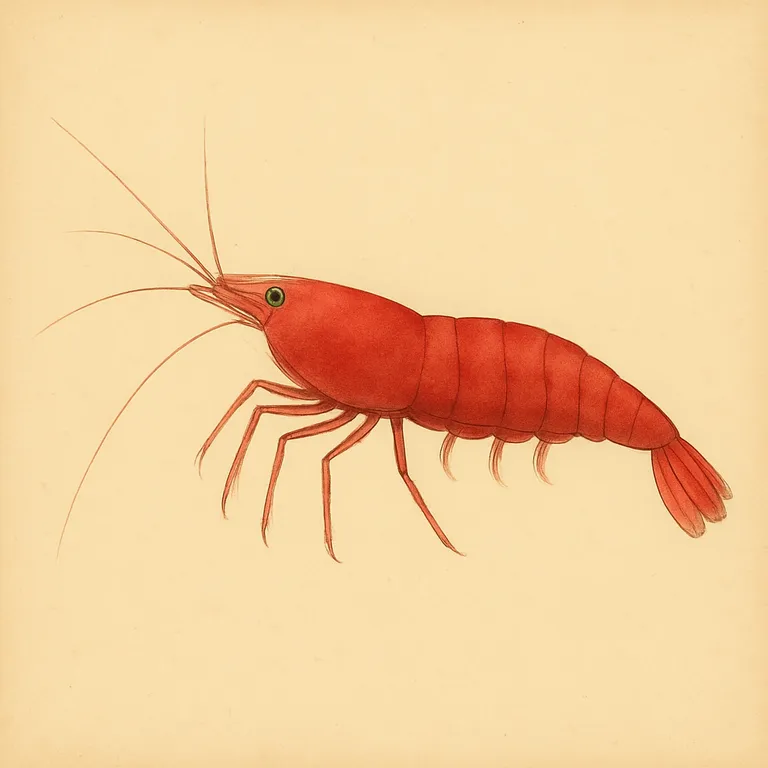
Cherry shrimp
Neocaridina davidi
InvertebratesFreshwater
- Care level
- Easy
- Temperament
- Peaceful
- Recommended tank
- 20 L
- Maximum size
- 3 cm
- Temperature
- 18–26 °C
- pH
- 6.5–7.8
- Group size
- ≥ 6
- Diet
- Omnivore
Care at a glance
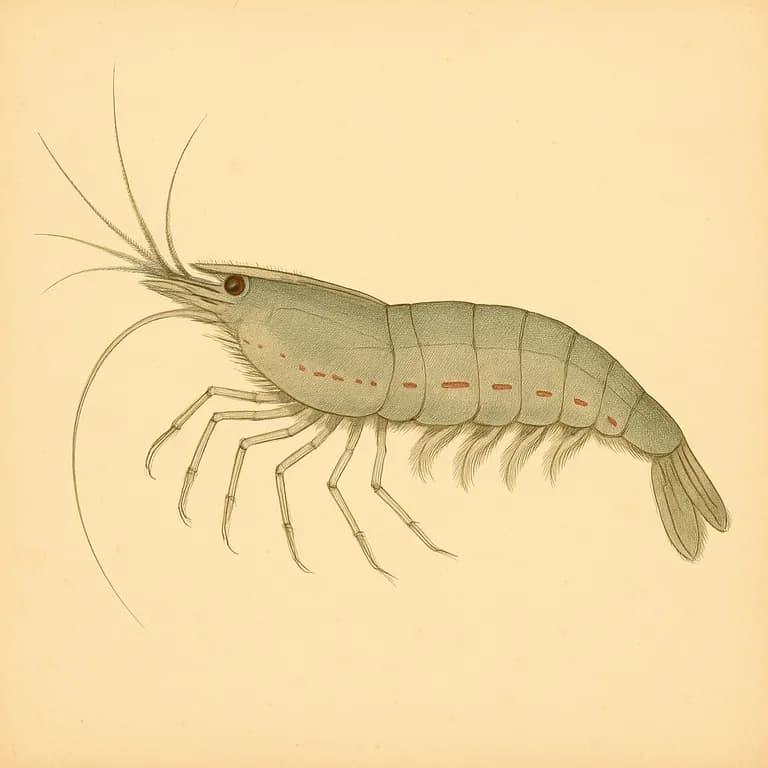
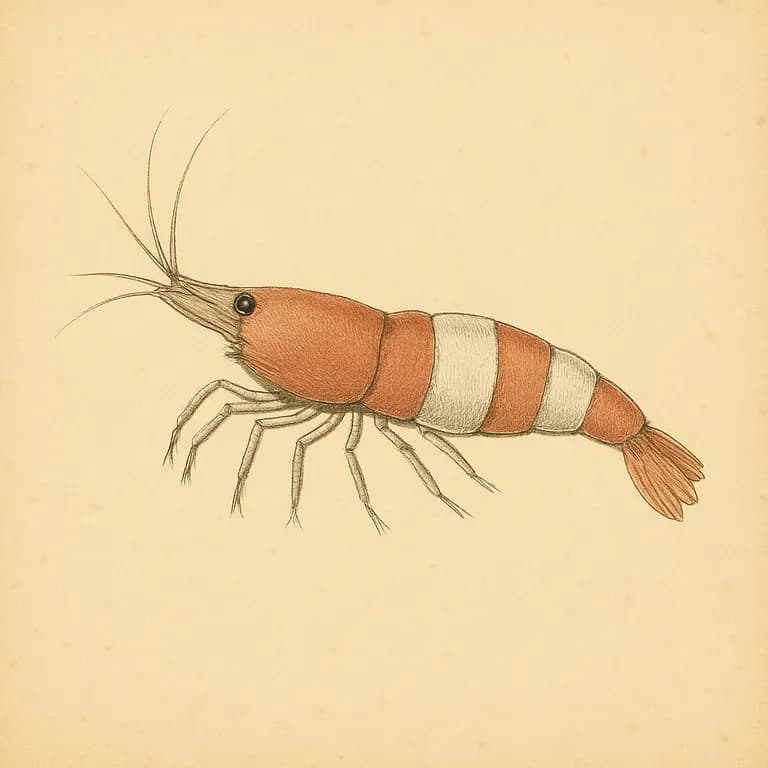
The cherry shrimp is the gateway shrimp: hardy, brightly coloured and available in shades from fire red to blue. In a tank without predatory fish it breeds on its own, and a thriving colony is a small ecosystem in itself, grooming the tank all day long.
Shrimp are sensitive to copper and to sudden shifts in water values, so drip-acclimatise new arrivals patiently and check medication and plant fertiliser for copper content. Moss and fine plants give the young shrimp places to hide; beyond that this species asks surprisingly little.
Origin and colour forms
The wild form of the cherry shrimp, Neocaridina davidi, comes from East Asia and is inconspicuous, translucent and brownish to greenish. The deeper and more even the colour, the higher the grade, from ordinary cherry to sakura and fire red. If you keep different colours together, they interbreed and after a few generations you will mostly see brownish, wild-coloured shrimp again. So choose one colour per tank.
Setting up the aquarium
Ideally, add shrimp to a tank that has been running for a few weeks. By then a layer of algae and bacteria has grown on stones, wood and plants, and they graze on it all day. Cover the filter intake with a sponge guard, or young shrimp will be sucked in. Dried oak or beech leaves from unsprayed trees provide extra food and hiding places.
Feeding and moulting
Most beginners feed too much. A colony finds a lot by itself, so a small portion of shrimp food or blanched vegetables a few times a week is usually enough.
An empty skin on the bottom looks like a dead shrimp but is usually a moult. Leave it, as they eat it themselves. If a shrimp gets stuck in its old shell while moulting, large swings in water parameters are a possible cause. Small, regular water changes help prevent this.
Male or female
Females are larger, more intensely coloured and have a rounder underside to the abdomen. In a mature female you can often see a yellow or greenish saddle behind the head, formed by the eggs developing inside her body. Males stay smaller and slimmer and are usually paler.
Breeding
After mating, the female carries the eggs under her abdomen and fans fresh water over them with her swimmerets, usually for three to four weeks. The eggs hatch directly into complete, tiny shrimp without a larval stage, which need no special care. Small, peaceful fish slow the growth of the colony by eating some of the young. Bettas, angelfish and discus see shrimp as food and are not suitable companions.
Best not combined with
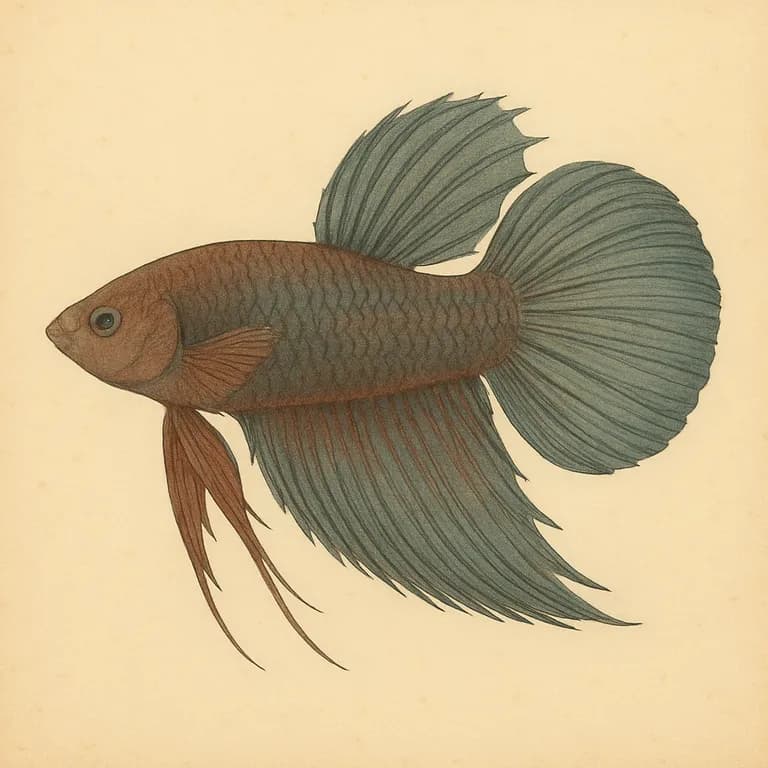 BettaBetta splendens
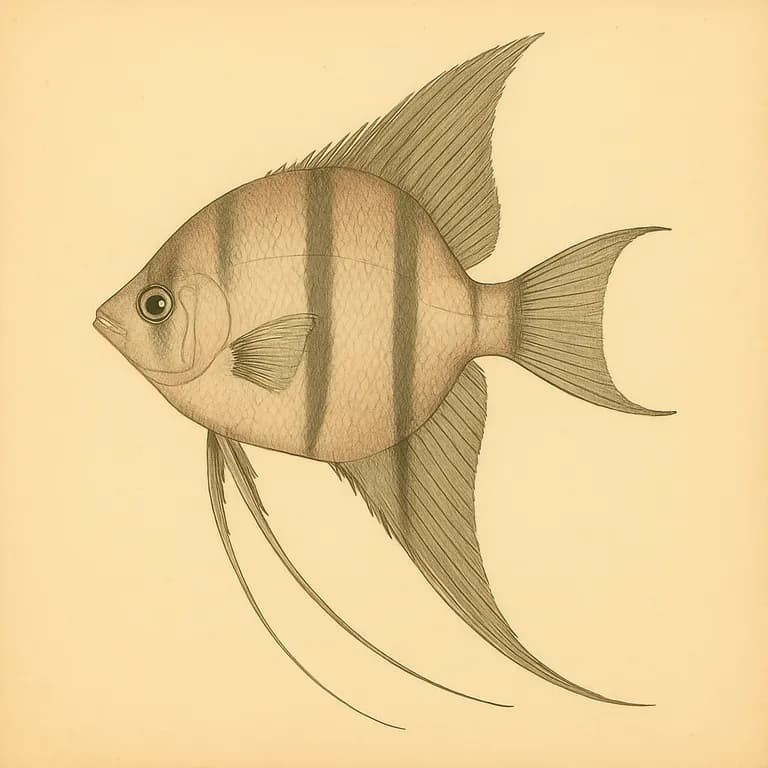 AngelfishPterophyllum scalare
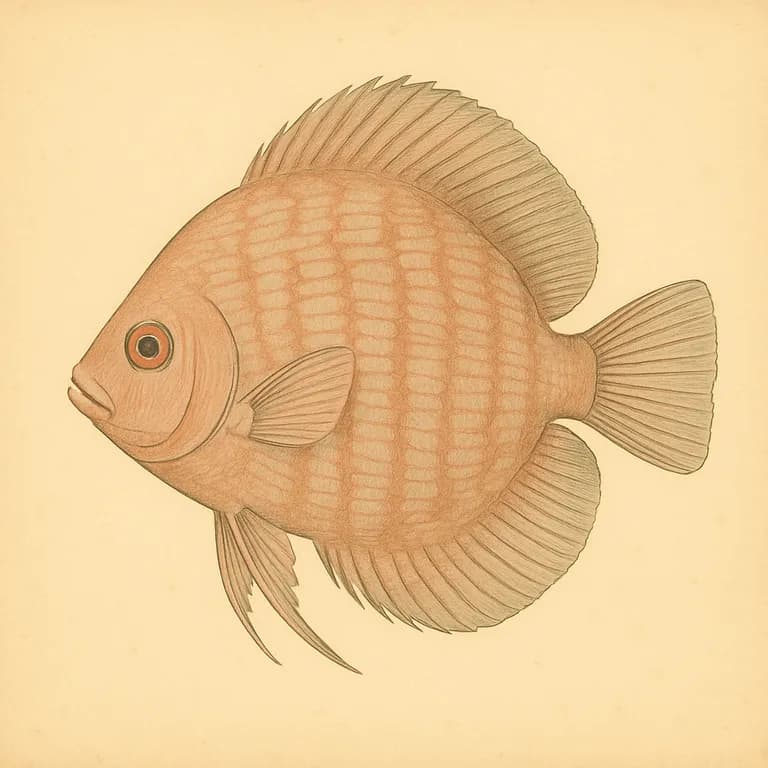 Discus (common)Symphysodon aequifasciatus
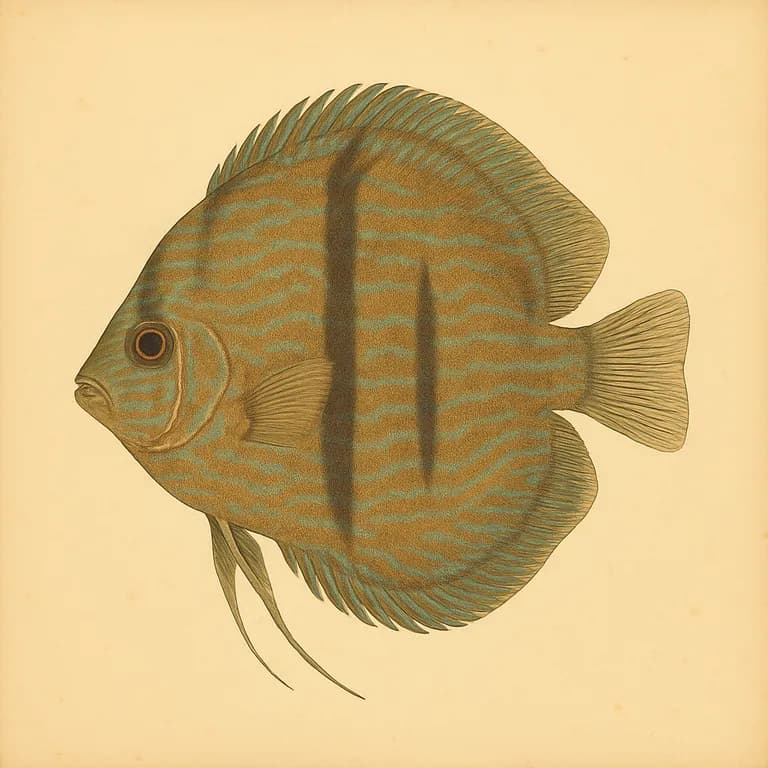 Heckel discusSymphysodon discus
 Clown loachChromobotia macracanthus
 OscarAstronotus ocellatus
 Peacock bassCichla ocellaris
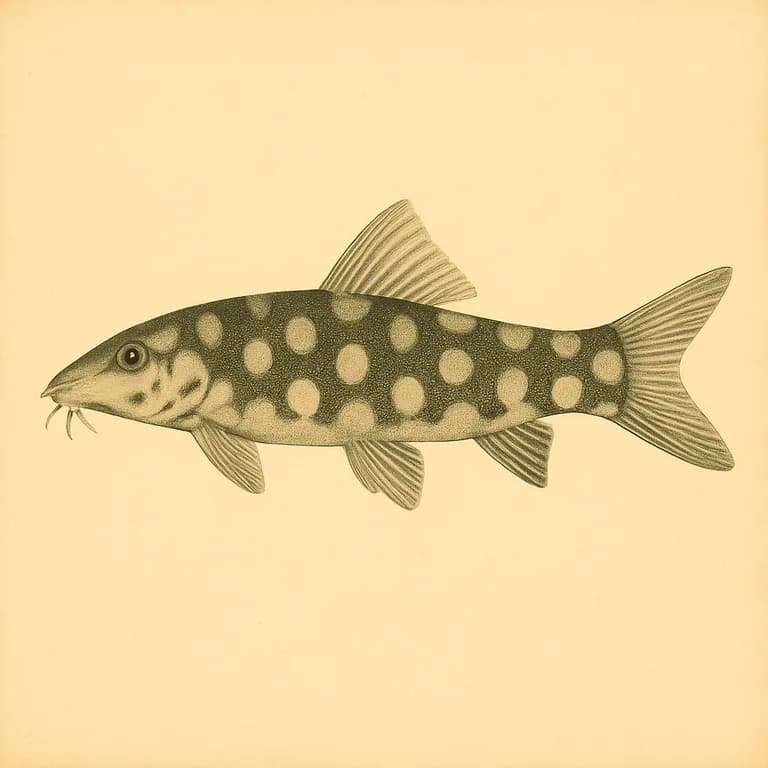 Angelicus loach (polka-dot loach)Botia kubotai
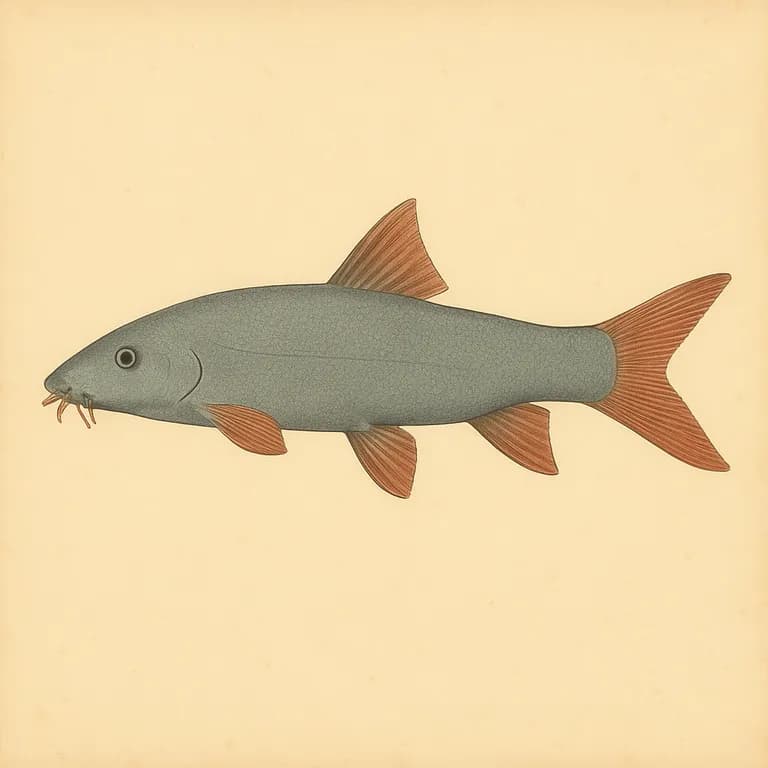 Blue botiaYasuhikotakia modesta
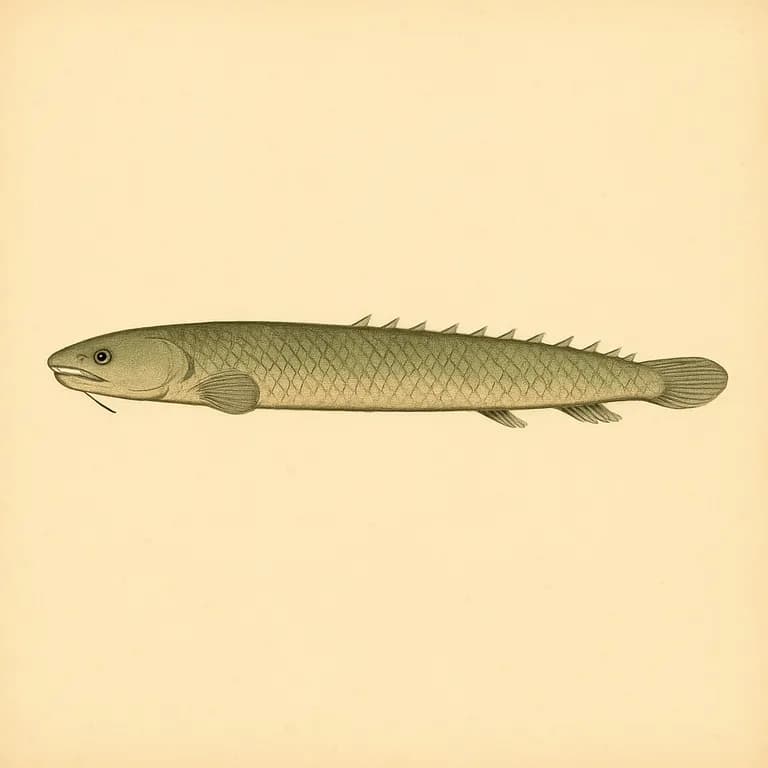 RopefishErpetoichthys calabaricus
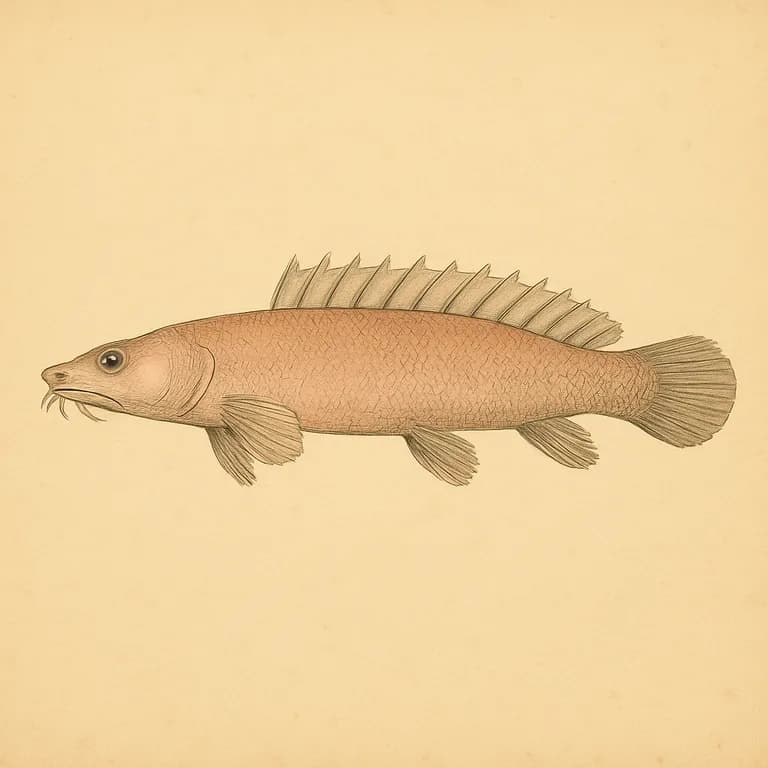 Senegal bichirPolypterus senegalus
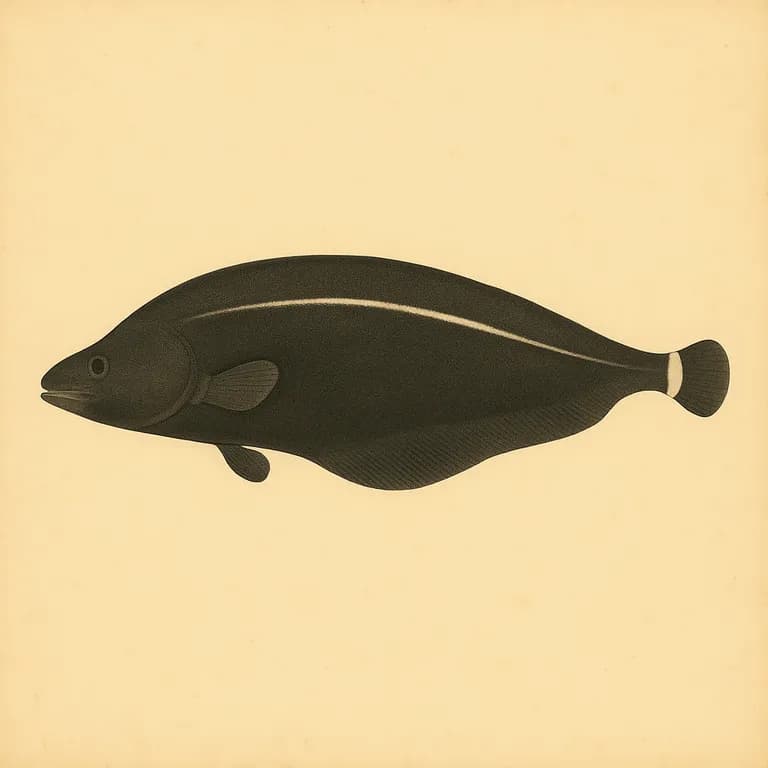 Black ghost knifefishApteronotus albifrons
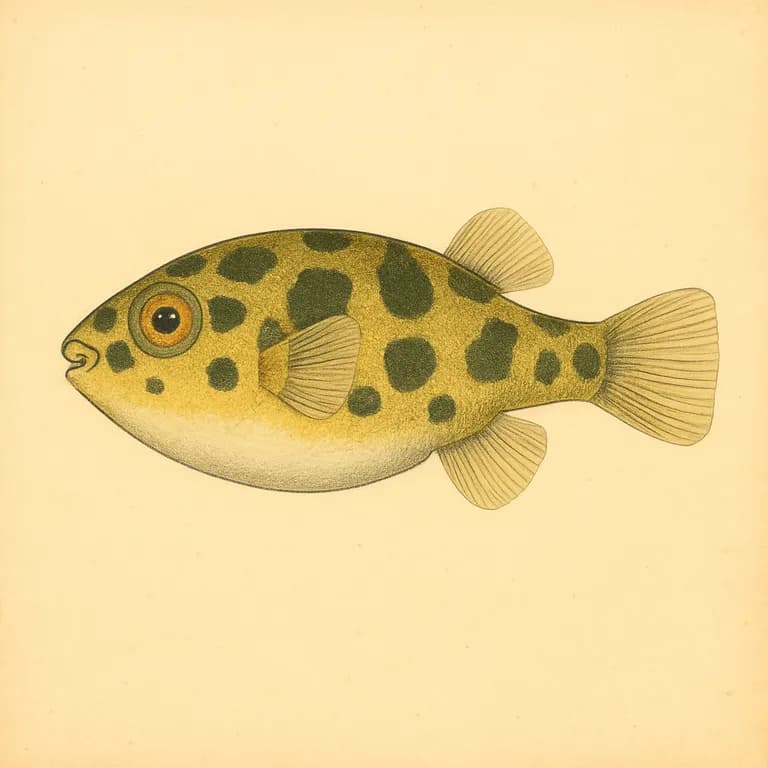 Pea pufferCarinotetraodon travancoricus
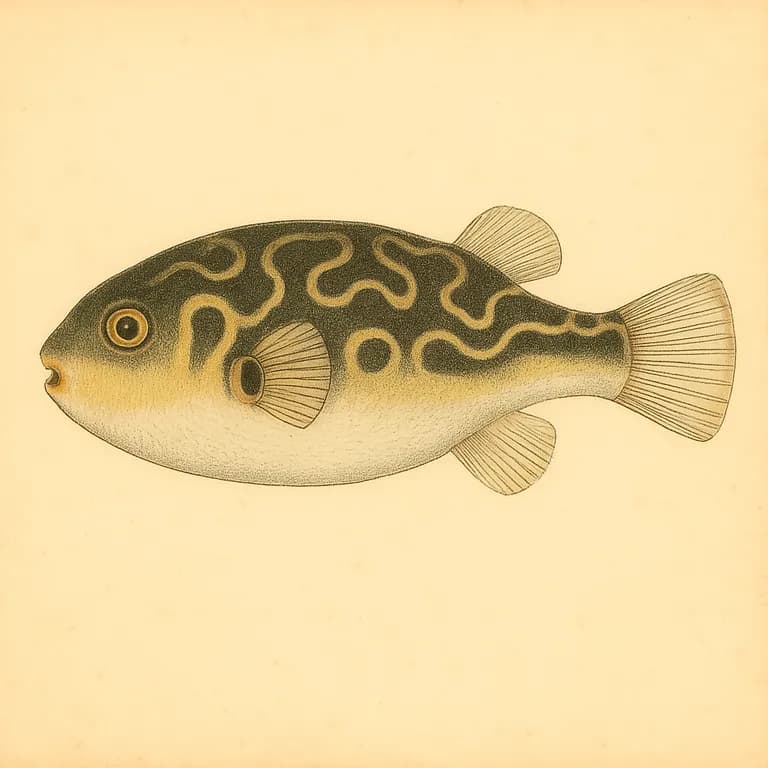 Figure eight pufferDichotomyctere ocellatus
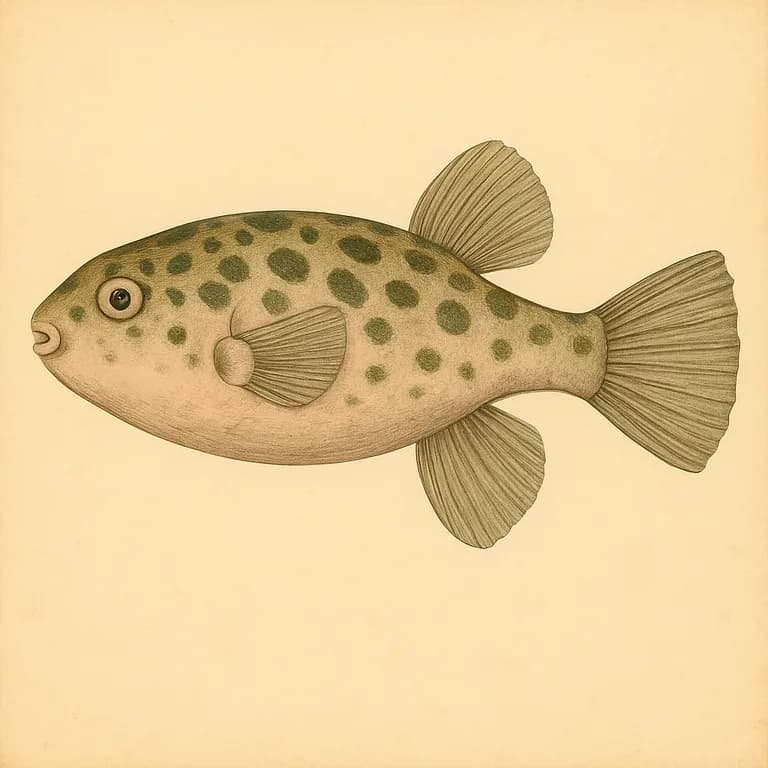 Green spotted pufferDichotomyctere nigroviridis
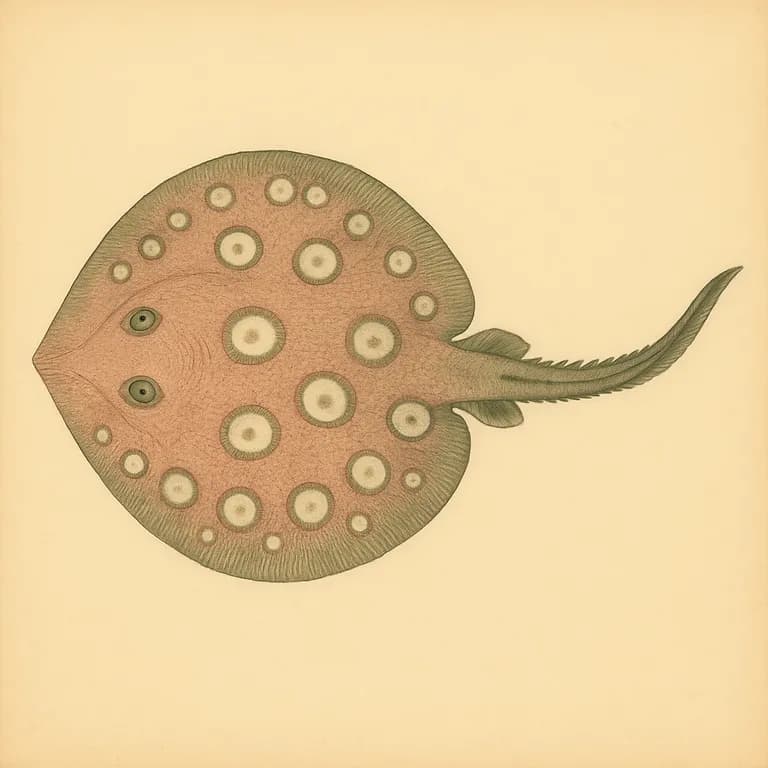 Ocellate river stingrayPotamotrygon motoro
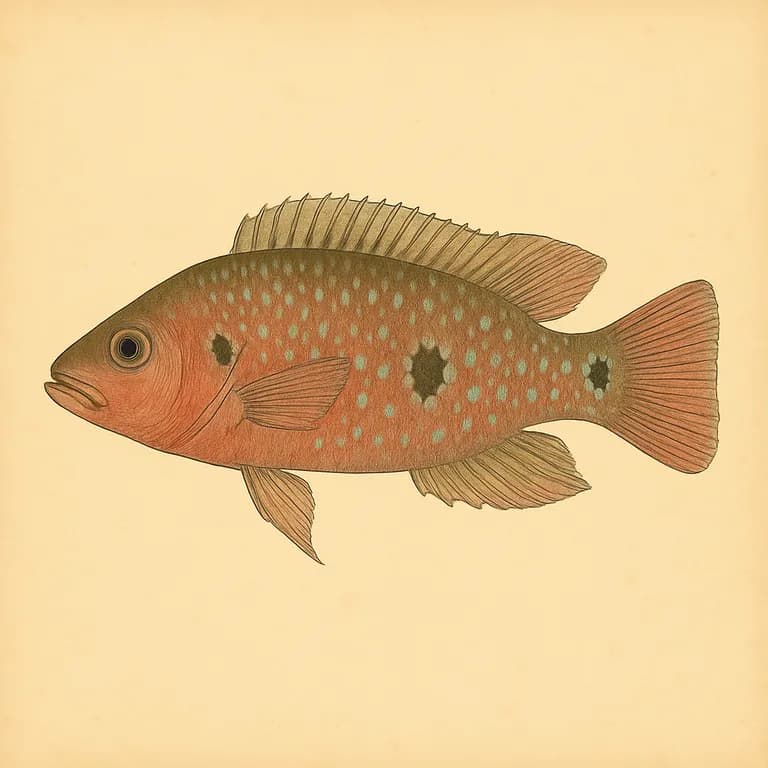 Jewel cichlidHemichromis bimaculatus
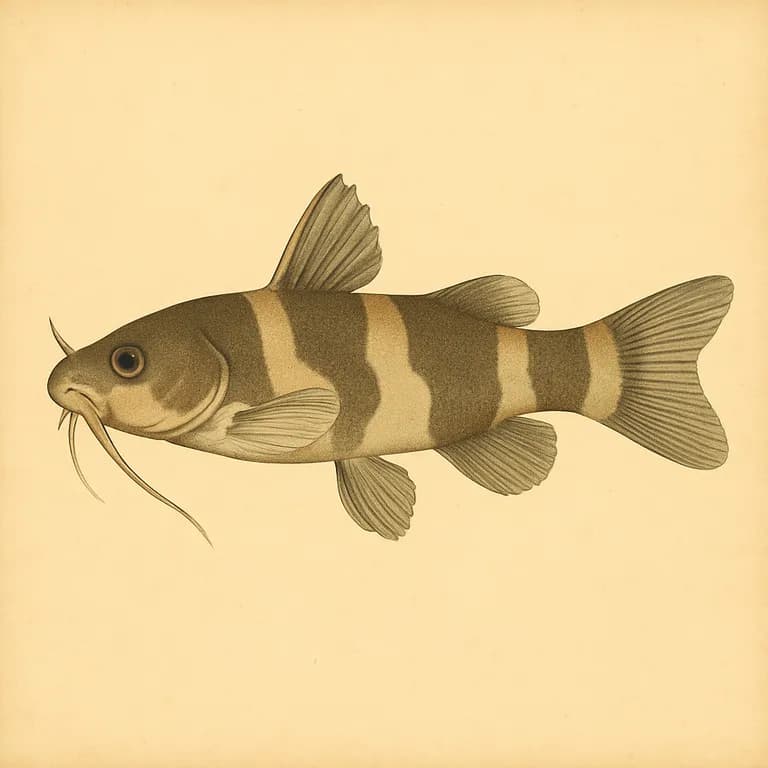 Bumblebee catfishMicroglanis iheringi
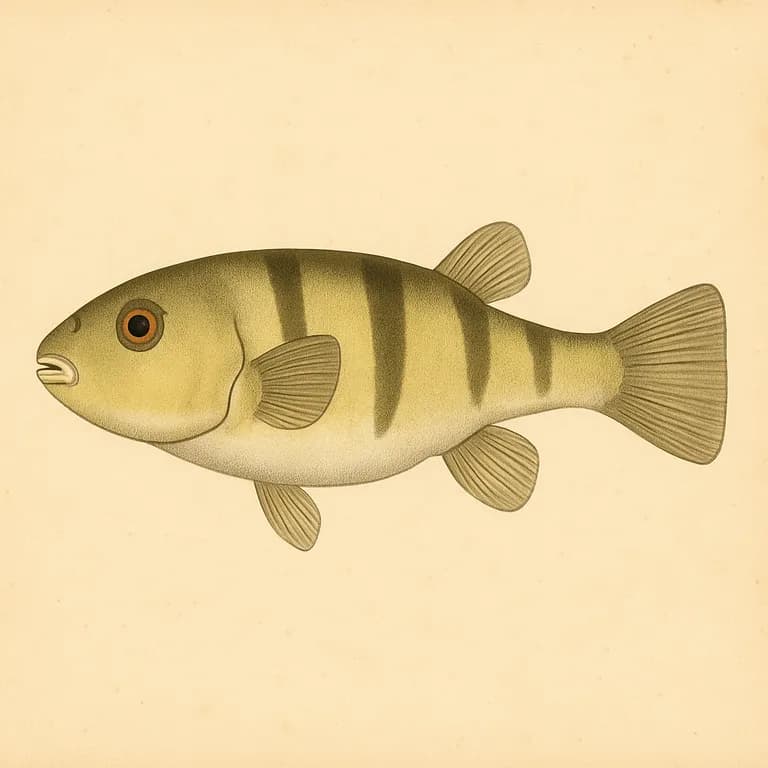 Amazon pufferColomesus asellus
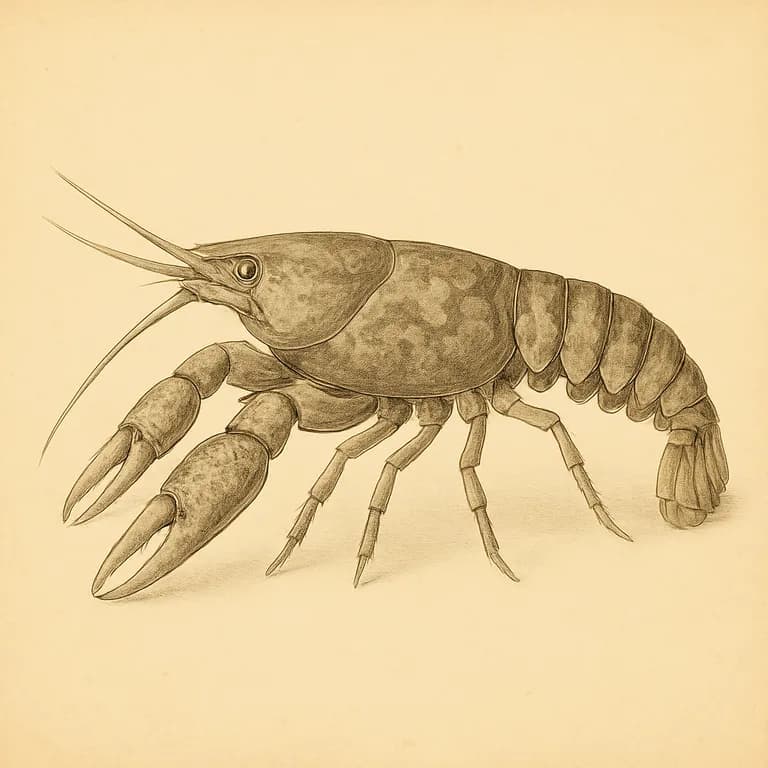 Marbled crayfishProcambarus virginalis
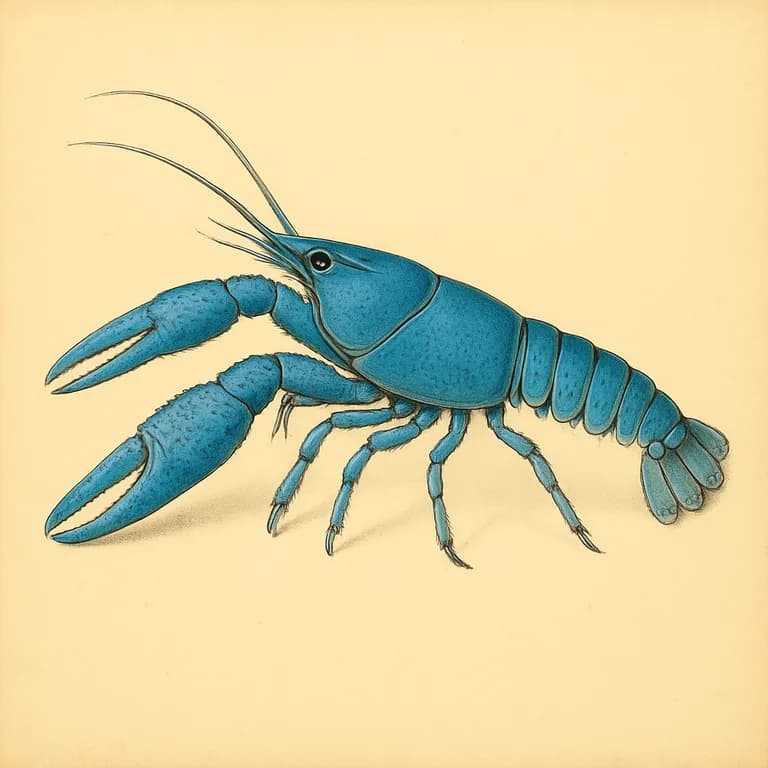 Electric blue crayfishProcambarus alleni
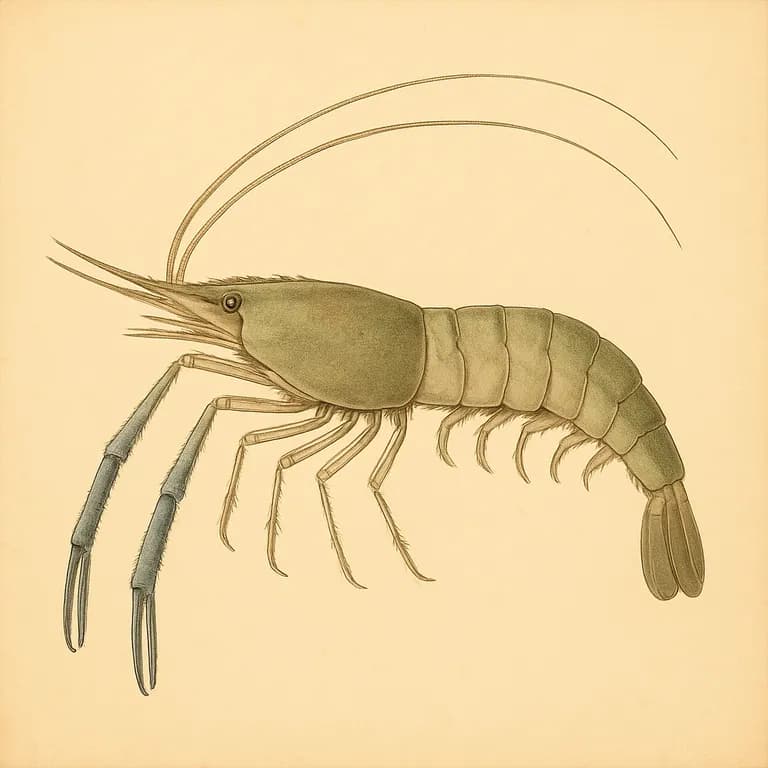 Giant freshwater shrimpMacrobrachium rosenbergii
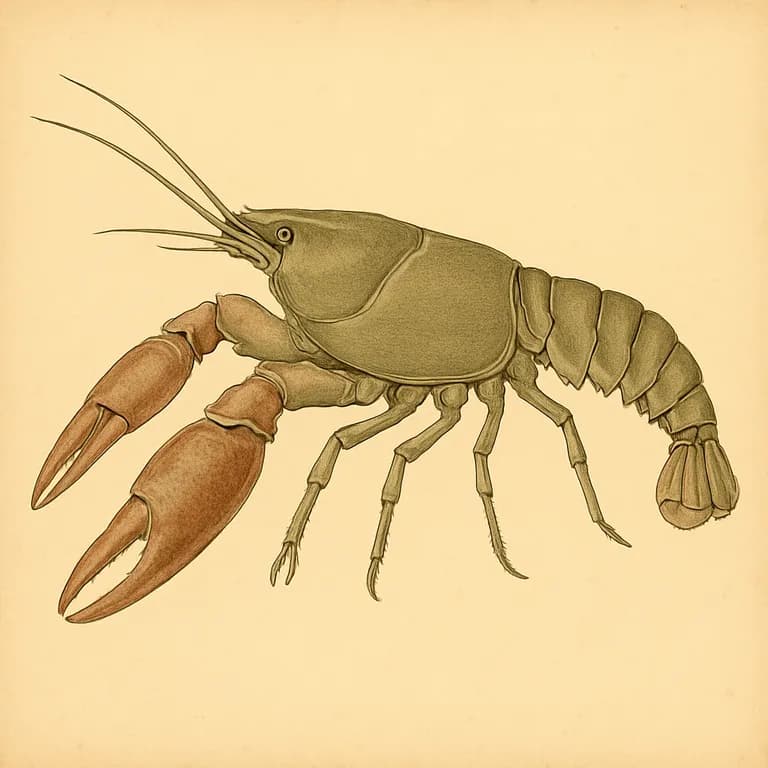 Redclaw crayfishCherax quadricarinatus
Related species

Keep Cherry shrimp in the BlubHub app
Add this species to your inhabitants, with count and photos, and see the care info next to your own water values, target bands and reminders. Free, no account, everything on your own device.
Values are mainstream hobbyist guidance, not gospel. Always watch what your own animals need.