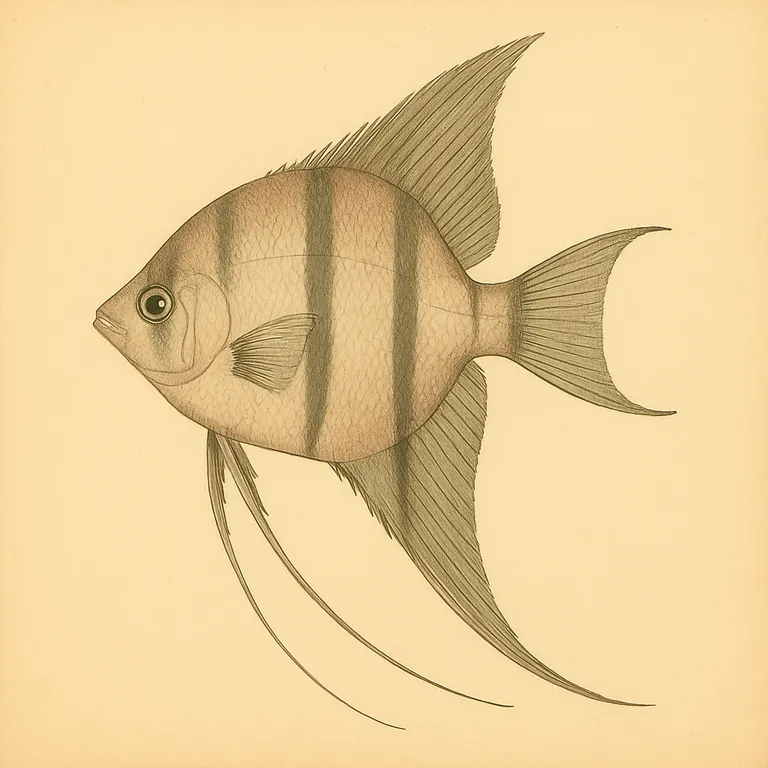
Angelfish
Pterophyllum scalare
FishFreshwater
- Care level
- Moderate
- Temperament
- Semi-aggressive
- Recommended tank
- 200 L
- Maximum size
- 15 cm
- Temperature
- 24–28 °C
- pH
- 6–7.5
- Diet
- Omnivore
Care at a glance
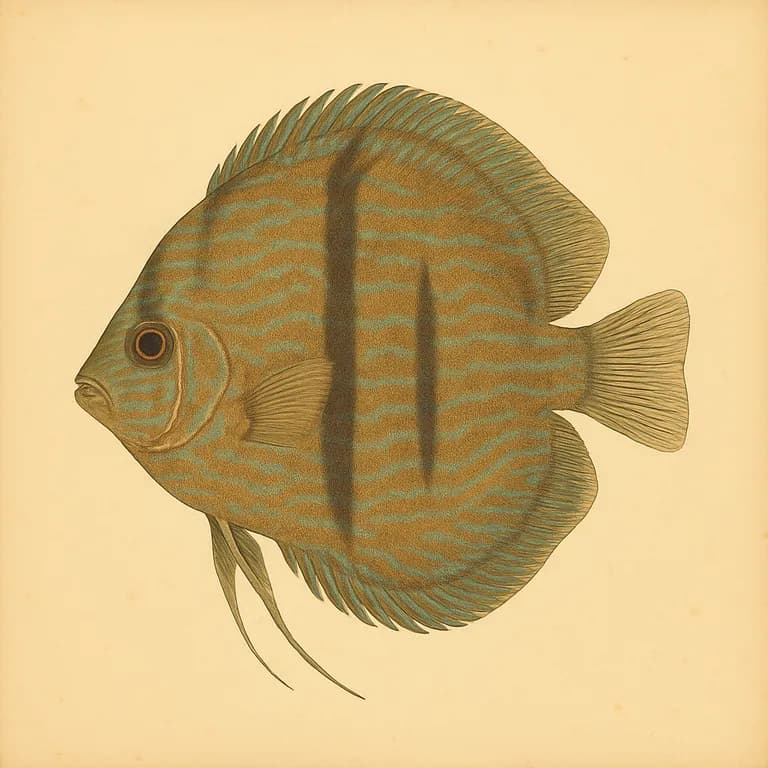
With its tall, sail-like fins the angelfish is one of the most stately sights in the freshwater aquarium. That build literally demands height: a shallow tank does not do it justice. It is a cichlid, and it shows; adult pairs claim a corner of their own and defend it.
Angelfish bought young grow considerably, so plan ahead. Small slender fish like neons will eventually fit in its mouth and make poor companions. Choose tankmates of some size and provide structure with vertical roots or tall plants, and it becomes a calm, impressive centrepiece.
Origin and varieties
In the wild the angelfish, Pterophyllum scalare, lives in calm stretches of rivers in the Amazon basin, among submerged branches, roots and aquatic plants. Its flat body and dark vertical bands help it blend into its surroundings there. Angelfish in the trade are generally captive-bred, often for many generations, in colour forms such as marble, gold, black and koi, and also with veil fins.
Behaviour and tankmates
Young angelfish live in a group, but as soon as a pair forms, that pair drives the other angelfish away. Many keepers therefore buy a small group of young fish, let a pair form and find another home for the rest.
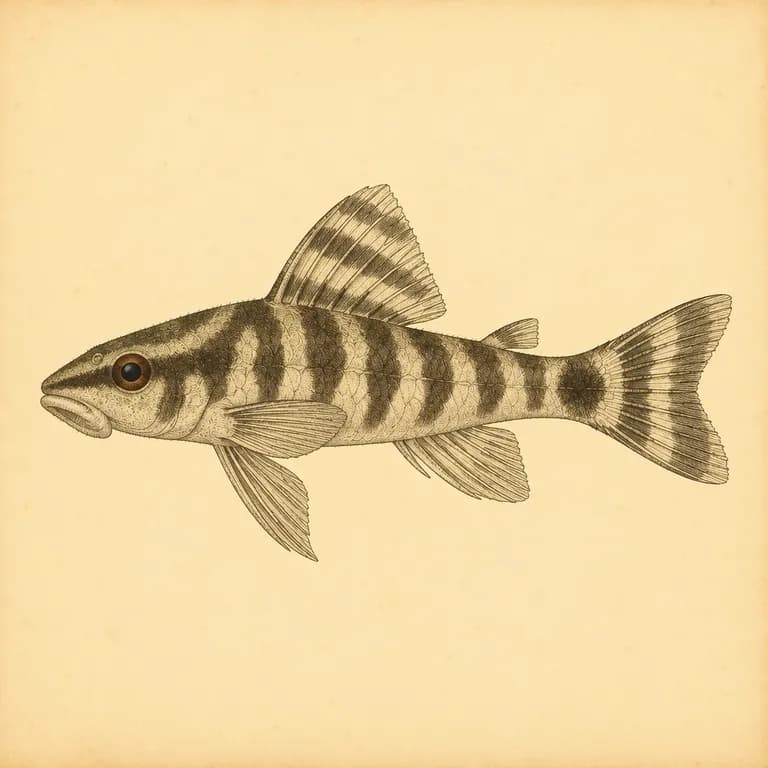
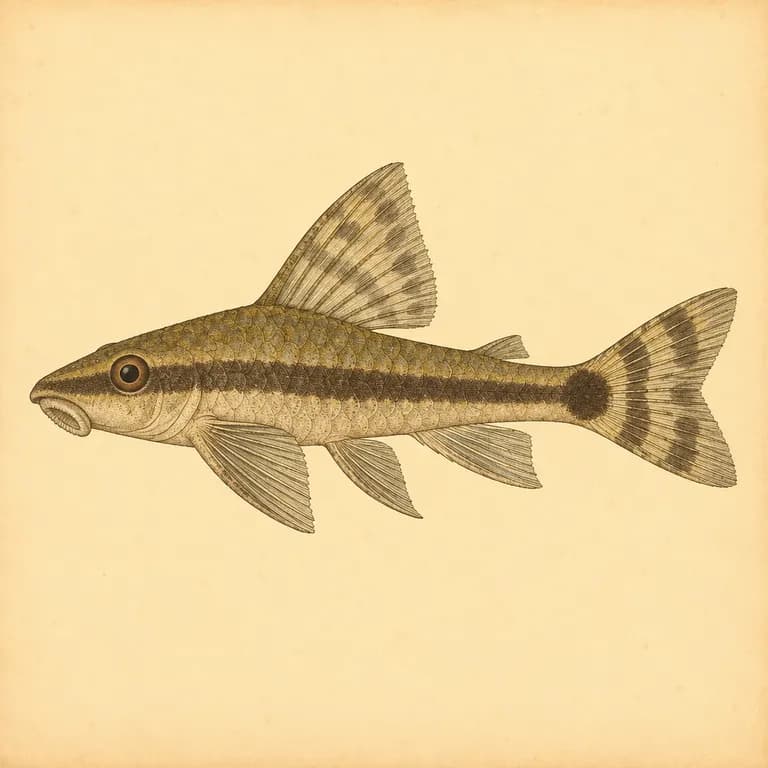
Fin nippers such as the tiger barb and the serpae tetra pick at the long pelvic fins and do not belong with them. An angelfish sees small shrimp as food. Good bottom dwellers are corydoras and the bristlenose pleco.
Feeding
In nature the angelfish eats insect larvae, small crustaceans and the occasional small fish. A good flake or granule food, supplemented with frozen food such as mosquito larvae, brine shrimp and mysis, keeps it in good condition. It prefers to take food in open water, so make sure the bottom dwellers get their own sinking food.
Male or female
Outside the breeding season, the sex of an angelfish can hardly be determined reliably. Adult males sometimes develop a bulging forehead, but that is not much to go on. The most reliable sign appears just before spawning: the female's breeding tube is broad and blunt, the male's narrow and pointed.
Breeding
A pair lays its eggs on a vertical surface, such as a broad leaf, a piece of slate or the glass. Both parents guard the clutch and fan fresh water over it. Young pairs often eat their first clutches. This usually improves after a few attempts. Once the fry swim freely, they can eat newly hatched brine shrimp. As a rule few survive in a community tank, so anyone serious about breeding moves the pair to a tank of its own.
Good to know
Best not combined with
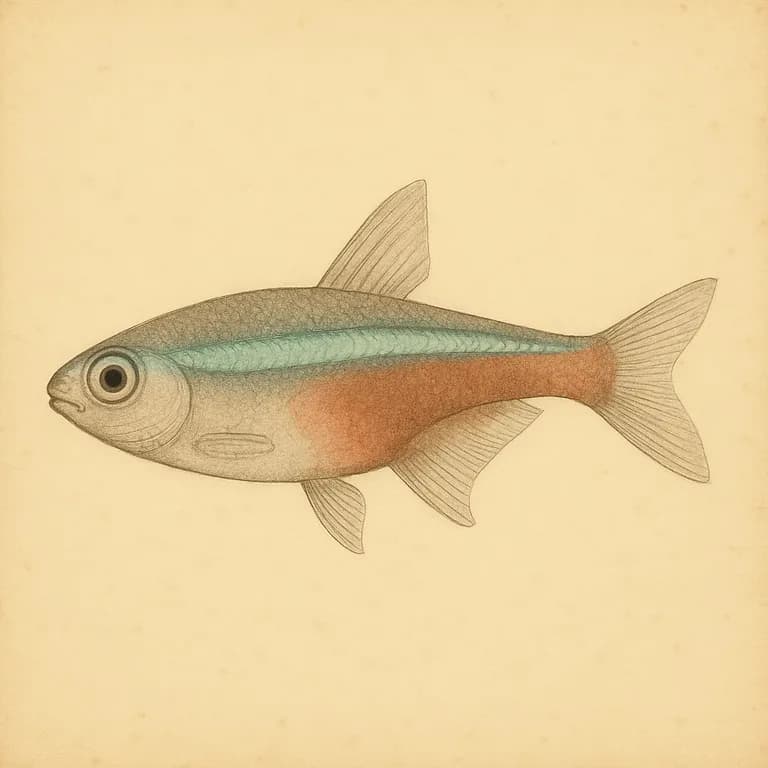 Neon tetraParacheirodon innesi
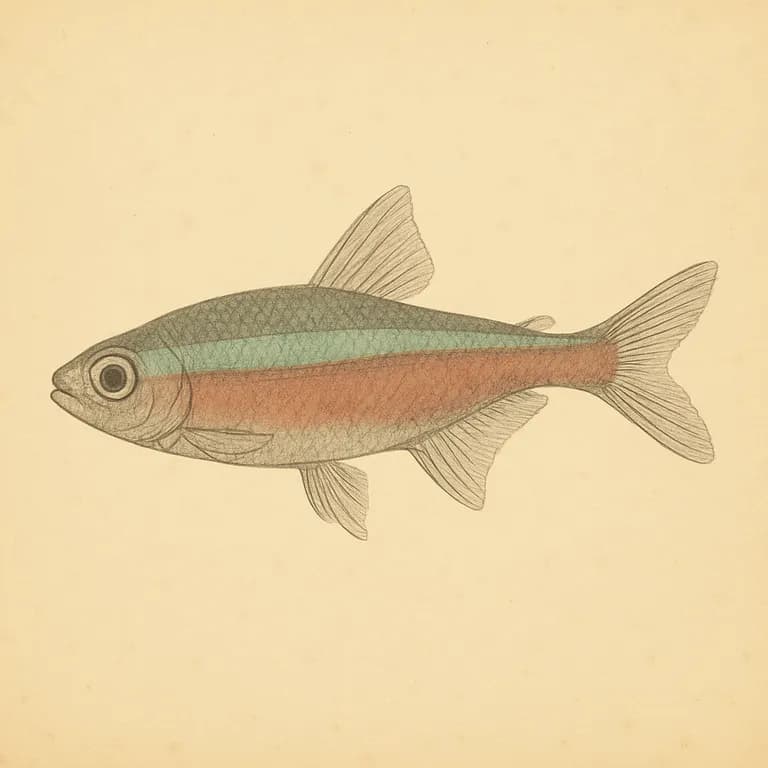 Cardinal tetraParacheirodon axelrodi
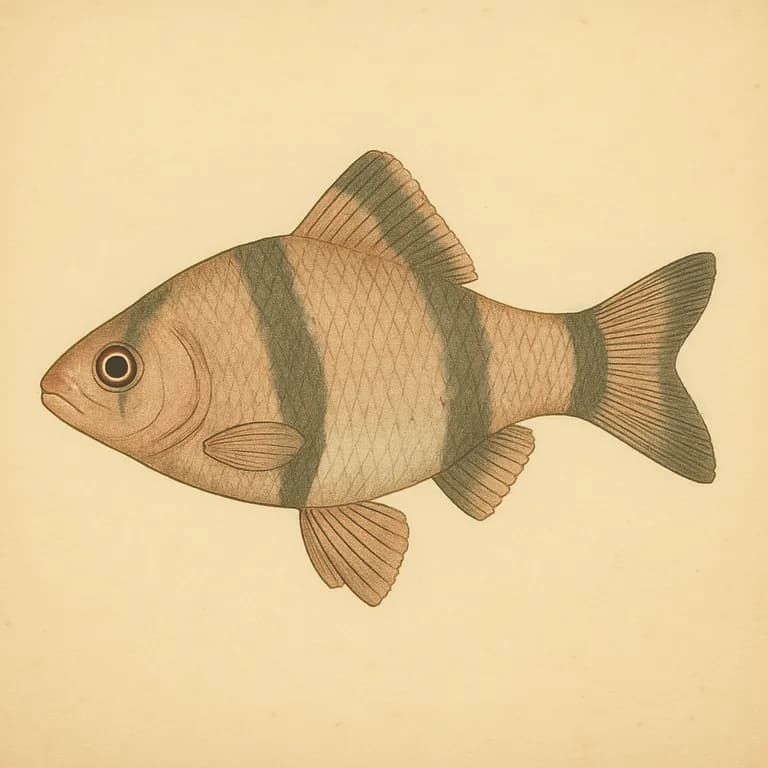 Tiger barbPuntigrus tetrazona
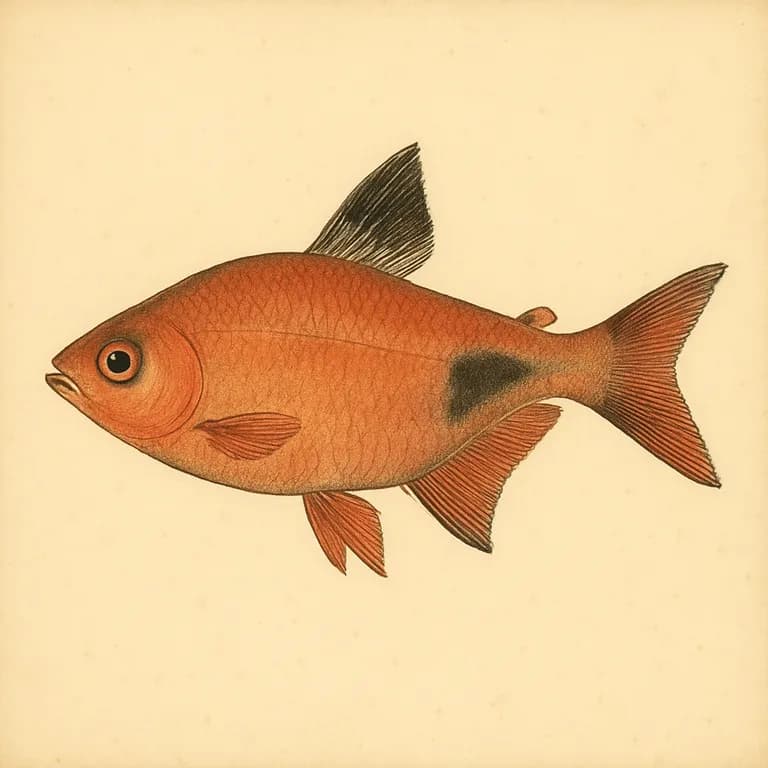 Serpae tetraHyphessobrycon eques
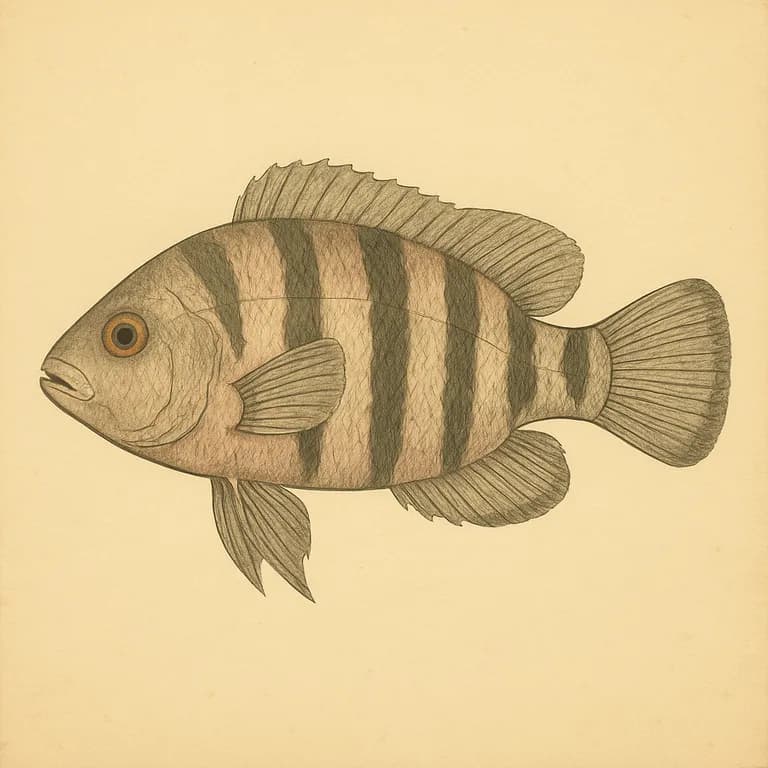 Convict cichlidAmatitlania nigrofasciata
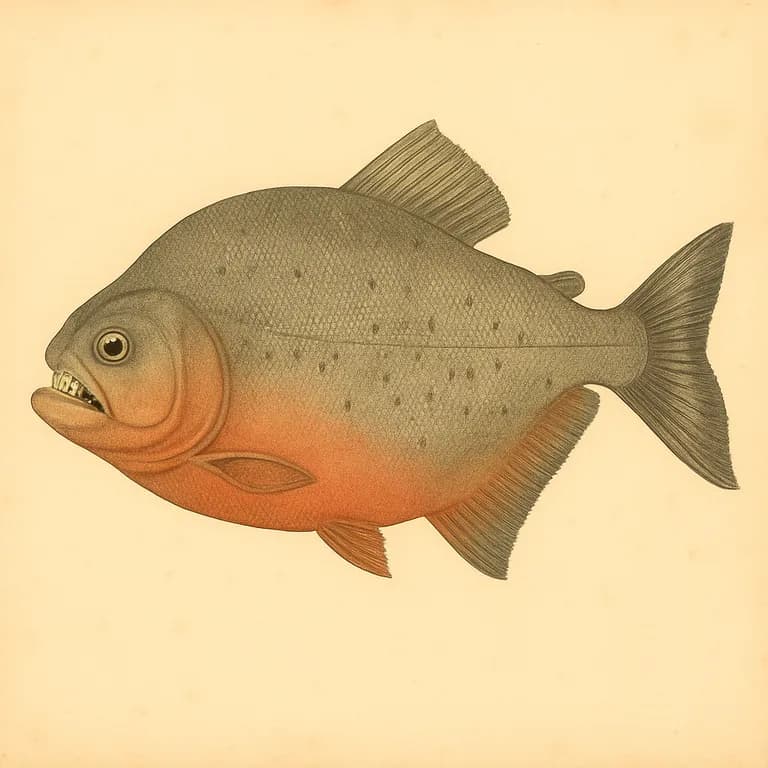 Red-bellied piranhaPygocentrus nattereri
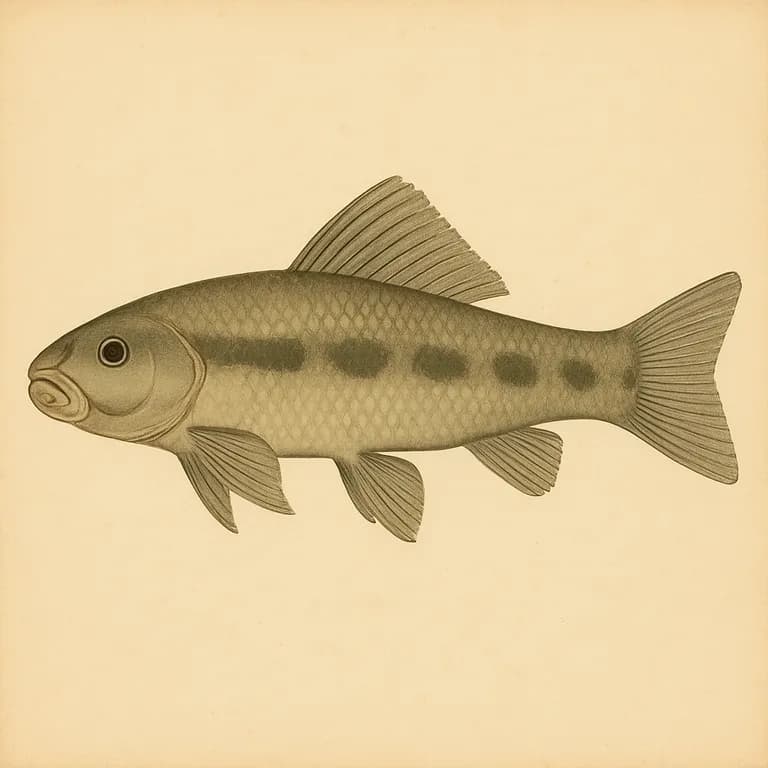 Chinese algae eaterGyrinocheilus aymonieri
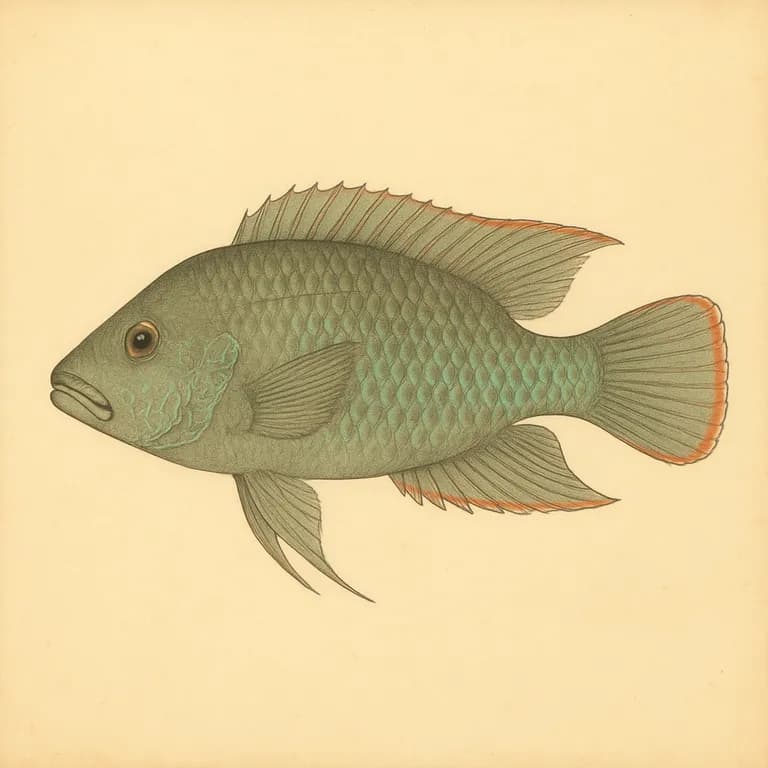 Green terrorAndinoacara rivulatus
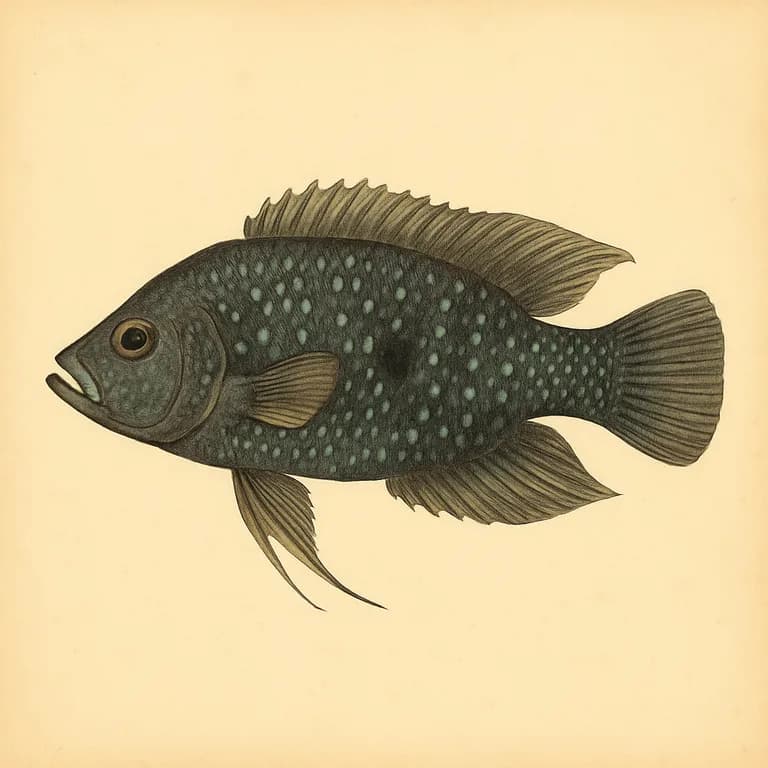 Jack Dempsey cichlidRocio octofasciata
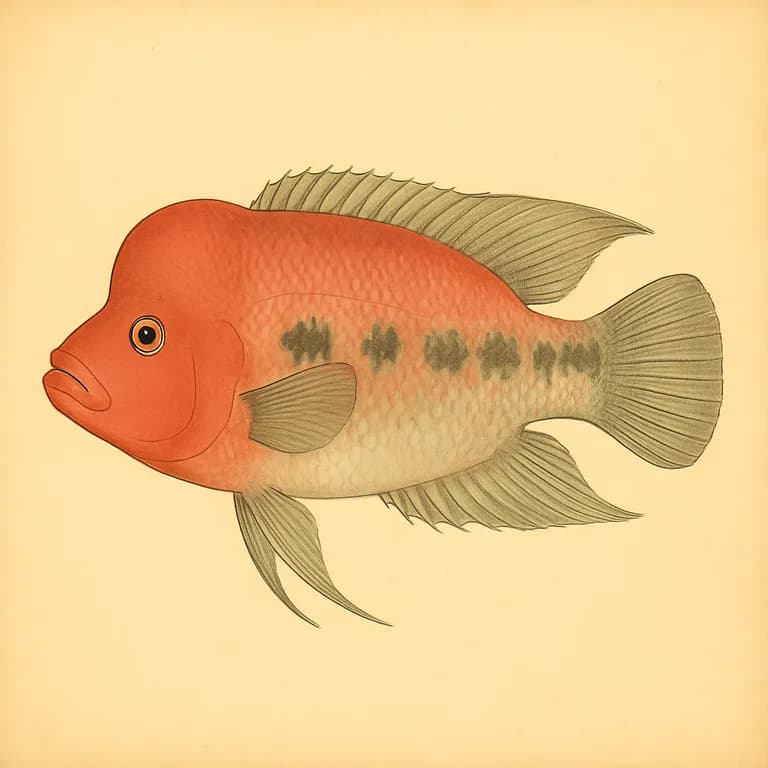 FlowerhornCichlasoma × hybride
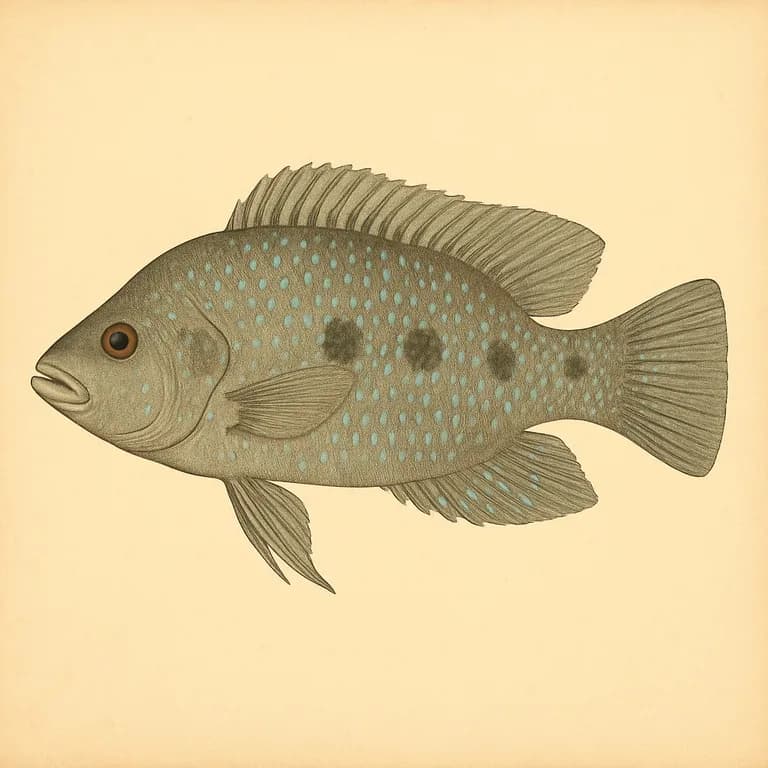 Texas cichlidHerichthys cyanoguttatus
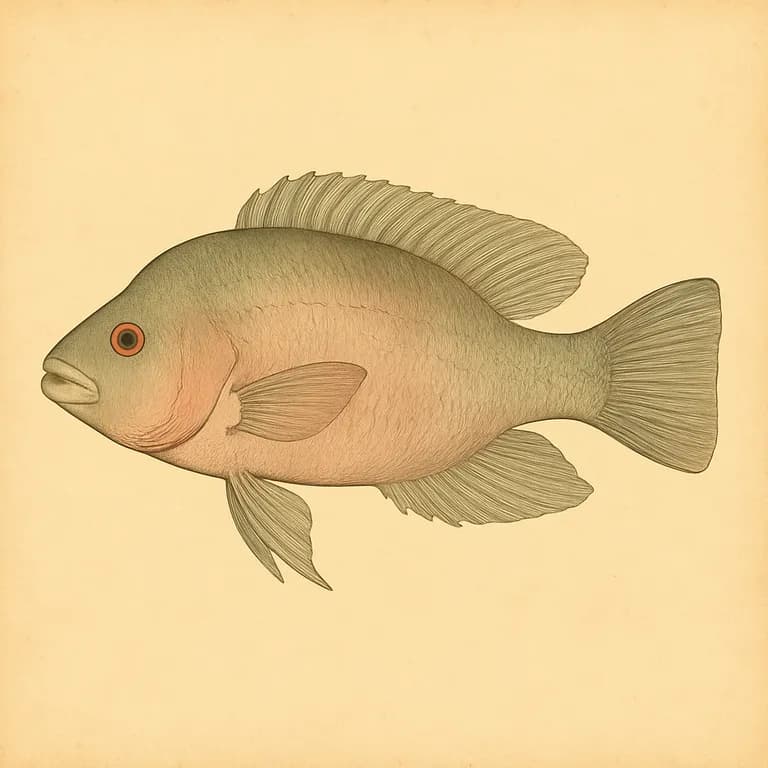 Midas cichlid (red devil)Amphilophus citrinellus
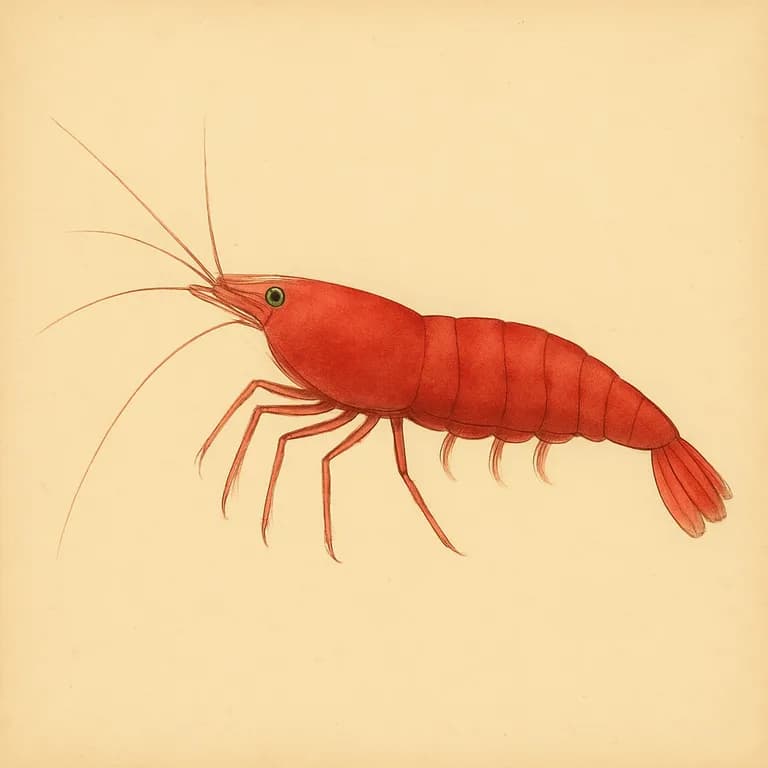 Cherry shrimpNeocaridina davidi
Related species
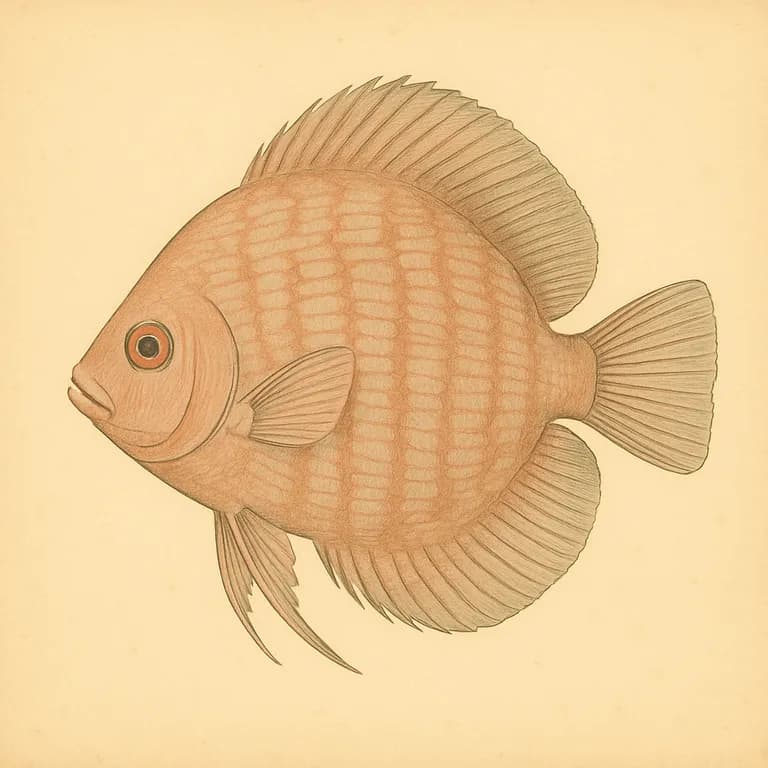
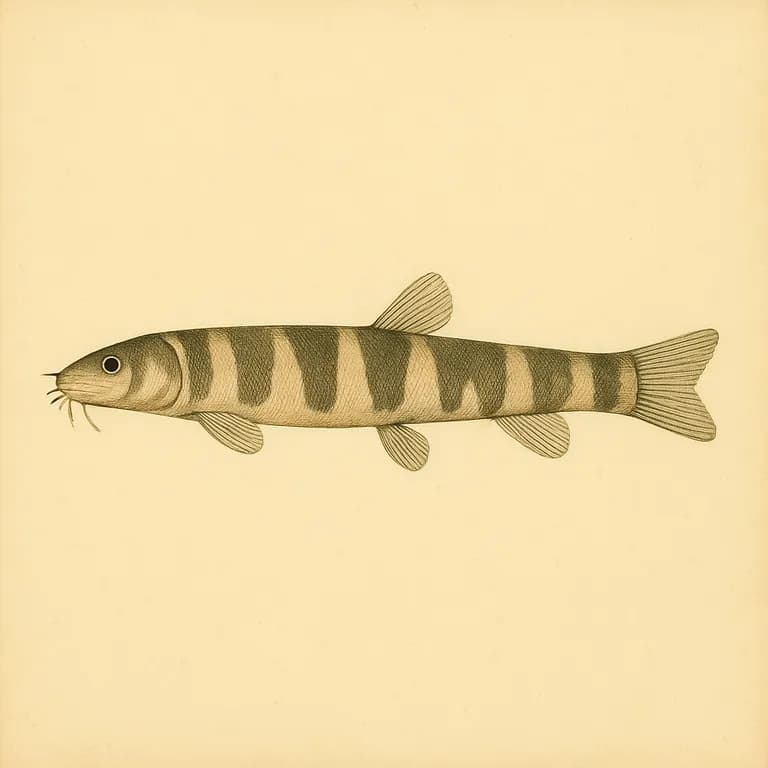

Keep Angelfish in the BlubHub app
Add this species to your inhabitants, with count and photos, and see the care info next to your own water values, target bands and reminders. Free, no account, everything on your own device.
Values are mainstream hobbyist guidance, not gospel. Always watch what your own animals need.