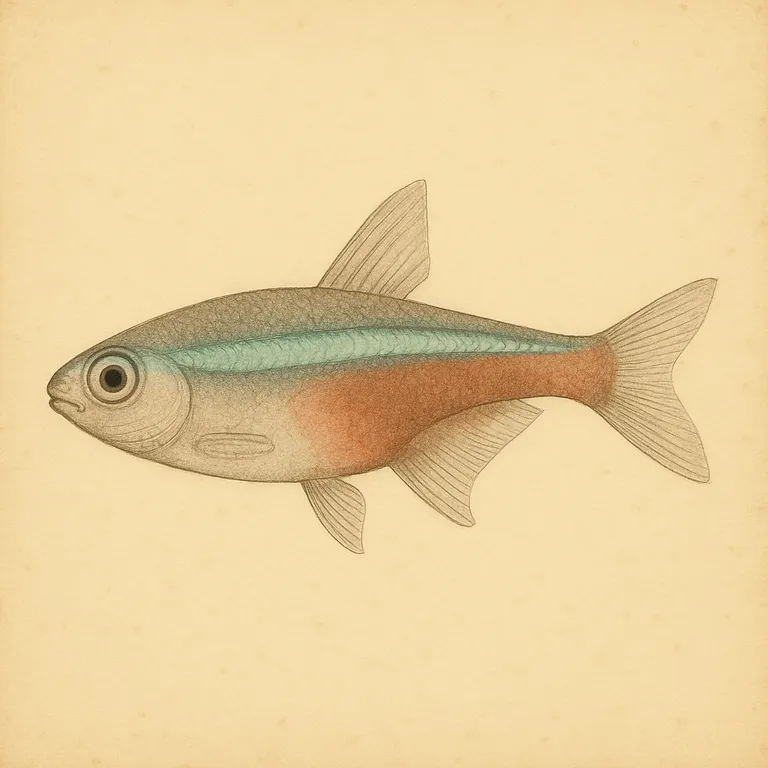
Neon tetra
Paracheirodon innesi
FishFreshwater
- Care level
- Easy
- Temperament
- Peaceful
- Recommended tank
- 60 L
- Maximum size
- 3.5 cm
- Temperature
- 20–26 °C
- pH
- 6–7.5
- Group size
- ≥ 8
- Diet
- Omnivore
Care at a glance
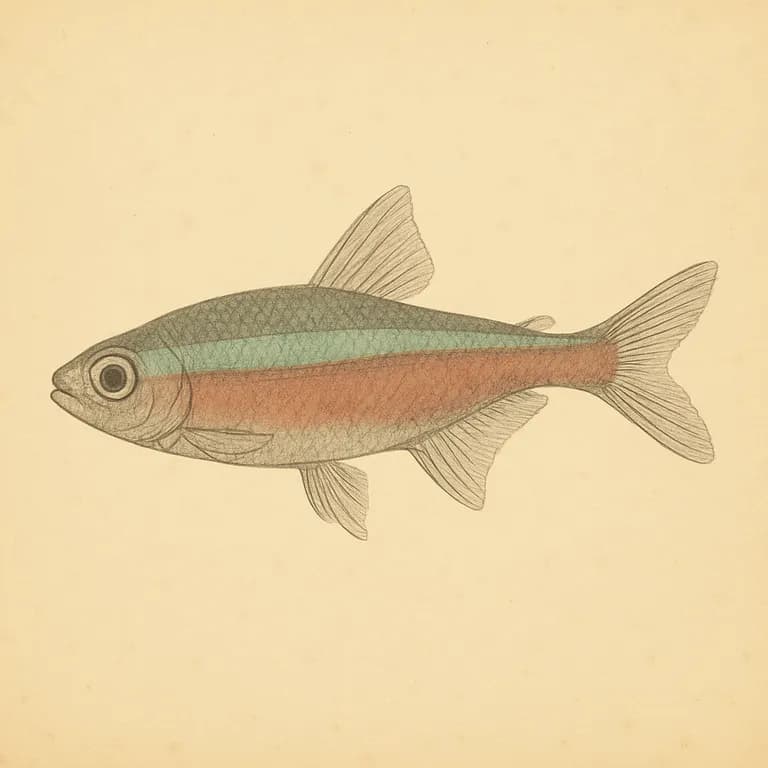
The neon tetra is many people's first real aquarium fish, and for good reason: it is small, peaceful and, with its blue and red stripe, an eye-catcher in any planted tank. It is a true schooling fish that only settles down in a decent-sized group; keep too few and they turn shy and pale.
Neons prefer soft, slightly acidic water and do best in a mature tank with some floating plants to soften the light. They are sensitive to big swings, so acclimatise new fish slowly and change water in small portions. Avoid combining them with large or boisterous fish; in a calm community tank they easily reach five years of age.
Origin and habitat
The neon tetra (Paracheirodon innesi) comes from small tributaries and forest streams in the western Amazon basin, in Peru, Colombia and Brazil. There it swims in shaded water over a bed of leaves and wood.
Neons sold in shops are as a rule captive-bred and less fussy about water parameters than their wild relatives. They cope less well with warm water, so for a discus aquarium the cardinal tetra is the better choice.
Setting up the aquarium
Neons mainly swim in the middle layer of the water. Give them an open swimming area, with dense planting along the back and sides to hide in. A dark substrate, some wood and dried leaves bring out their colours better than pale gravel.
Their colours fade when they rest, so at night and just after the lights come on they often look dull. If a fish stays pale during the day, that points to stress or disease.
Tankmates
An adult angelfish sees a neon as food, and tiger barbs constantly harass the school. Good companions are small, calm species with the same needs, such as corydoras, otocinclus and harlequin rasboras.
Male or female, and breeding
Adult females have a rounder belly, which makes their blue stripe look bent. In males the stripe runs straight and the body is slimmer.
In a community tank they almost never produce young: the parents eat the eggs, and eggs and larvae are sensitive to light and fungus. Breeding only works in a separate, dark tank with very soft, acidic water and fine-leaved plants, from which you remove the parents once the eggs are laid.
Buying healthy fish and neon tetra disease
When buying, choose fish with an unbroken, bright stripe and a straight body. Avoid a tank in which fish hang apart from the group, have white patches in the body or a curved spine.
Those are signs of neon tetra disease, a parasitic infection in which the colour fades in patches and the muscles turn white. There is no reliable treatment. Remove a sick fish straight away, because other fish become infected, among other ways, by picking at a dead one.
Best not combined with
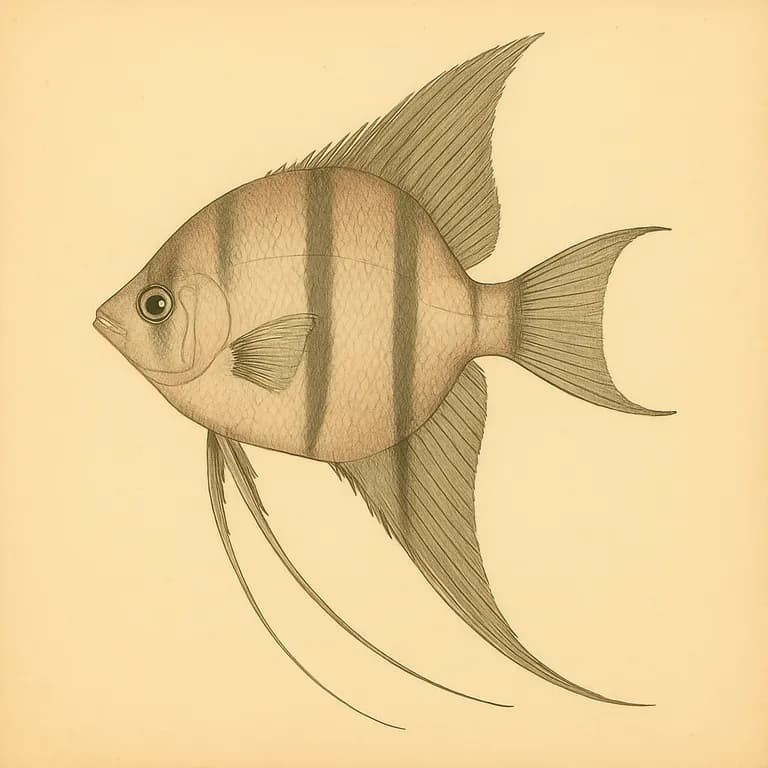 AngelfishPterophyllum scalare
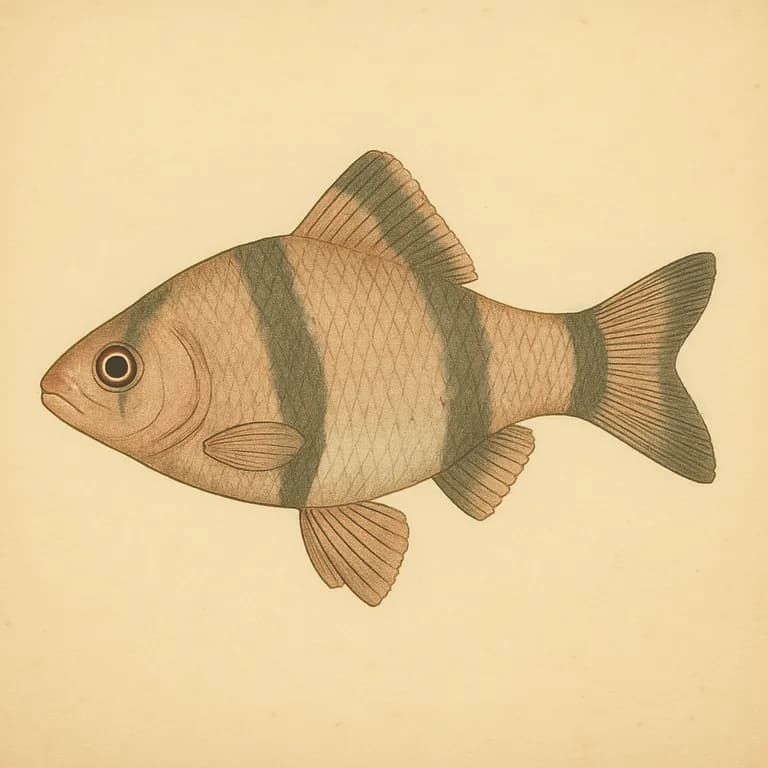 Tiger barbPuntigrus tetrazona
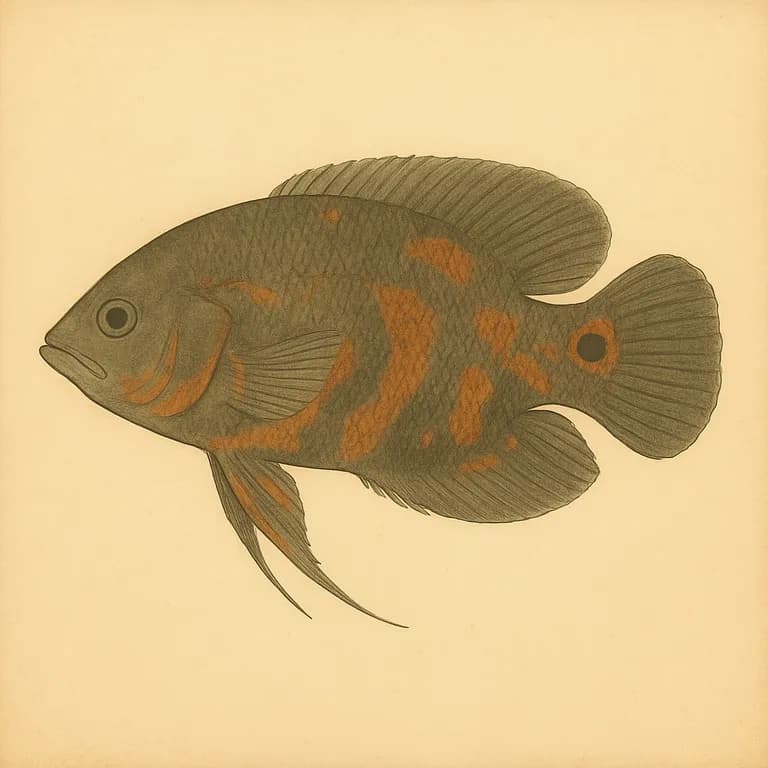 OscarAstronotus ocellatus
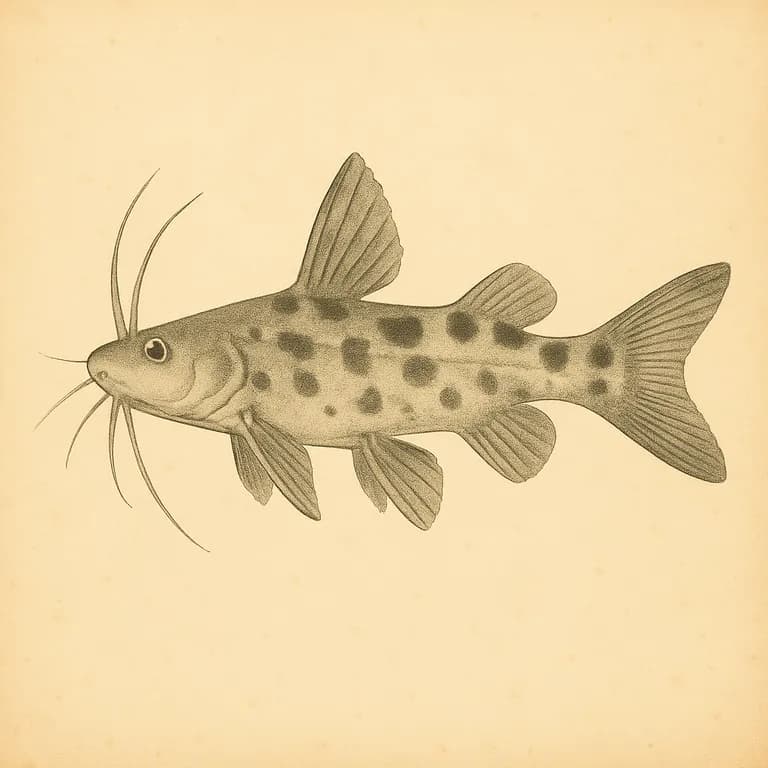 Pictus catfishPimelodus pictus
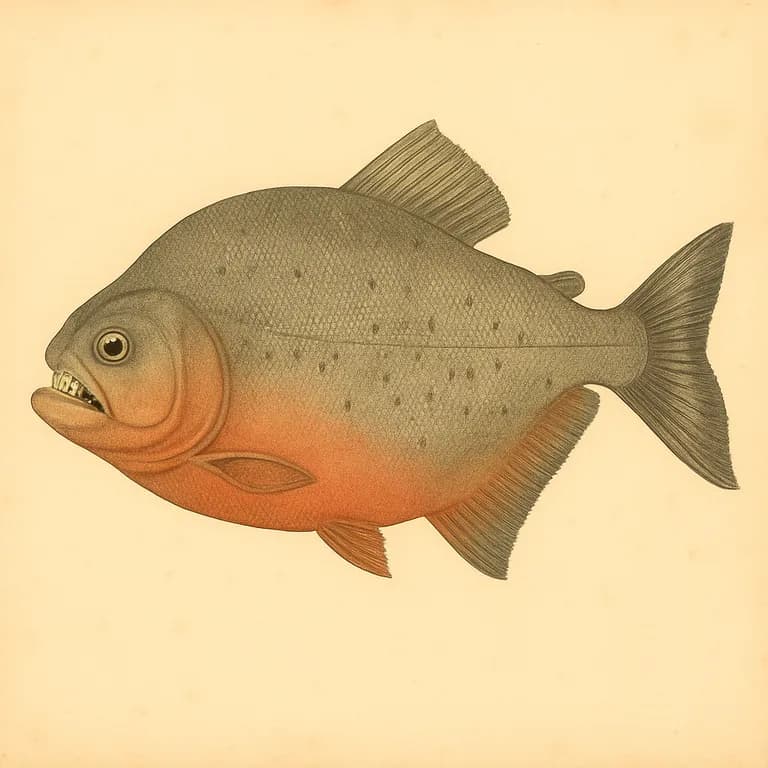 Red-bellied piranhaPygocentrus nattereri
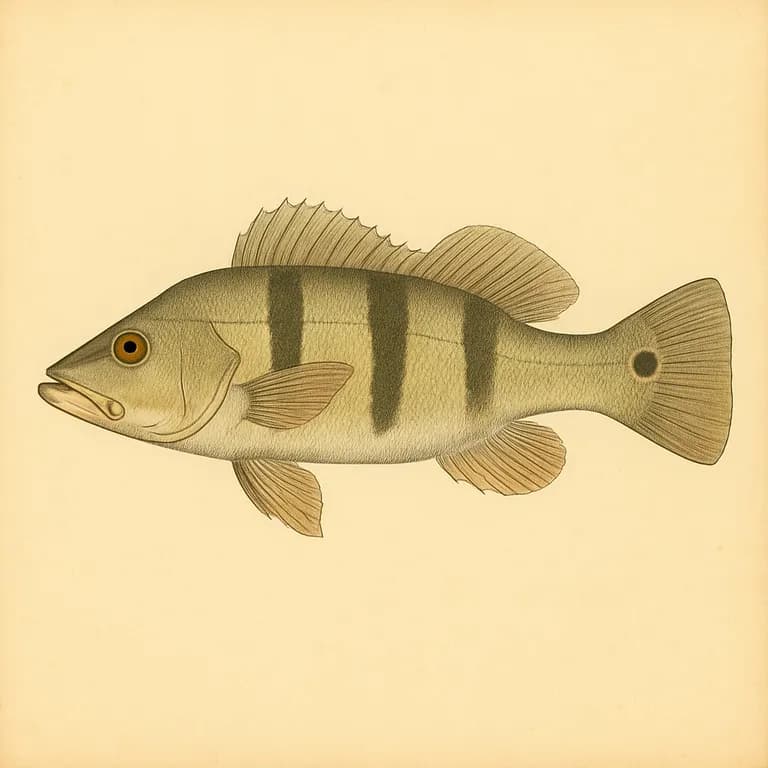 Peacock bassCichla ocellaris
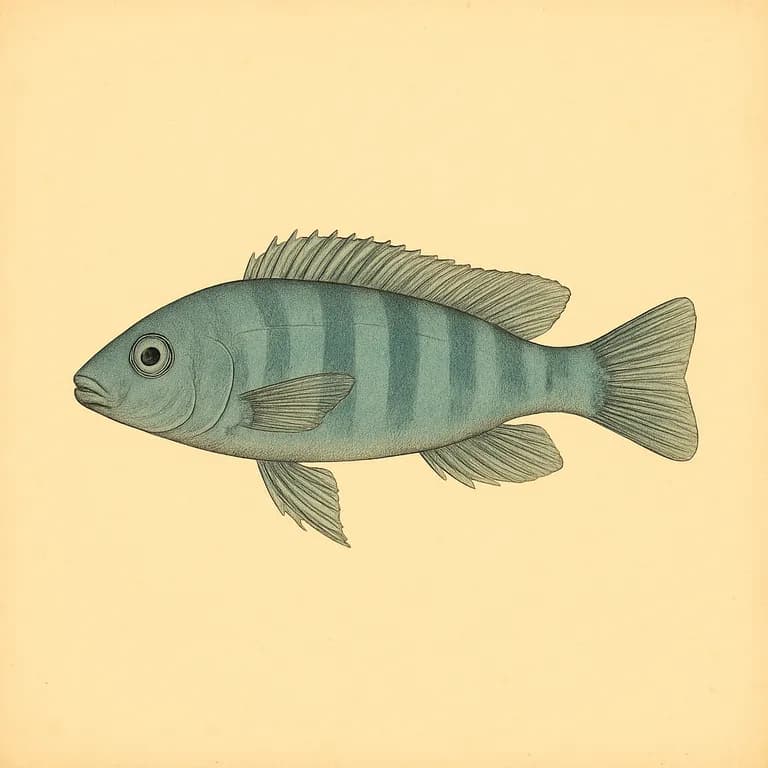 Saulosi mbunaChindongo saulosi
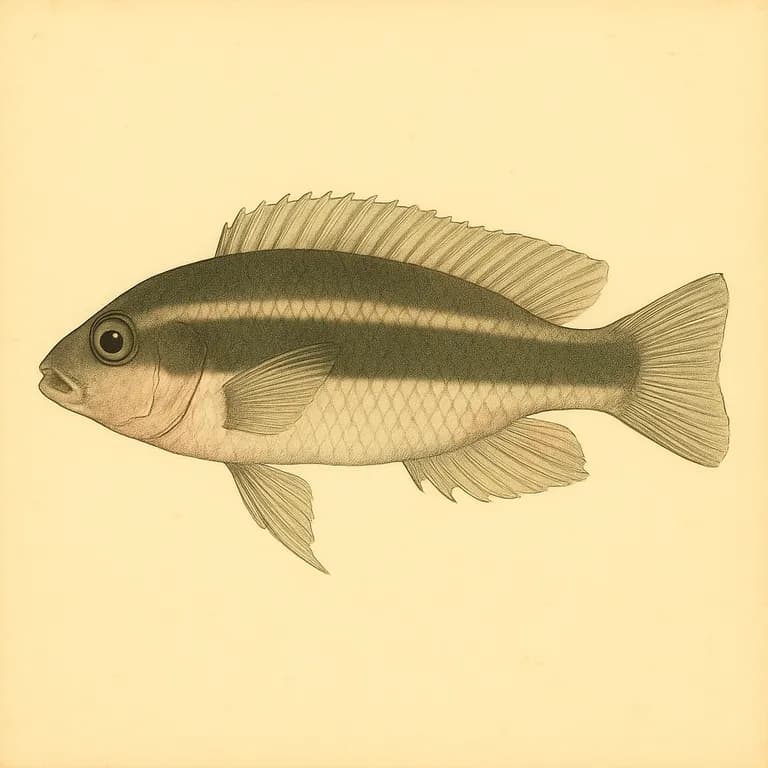 Auratus cichlidMelanochromis auratus
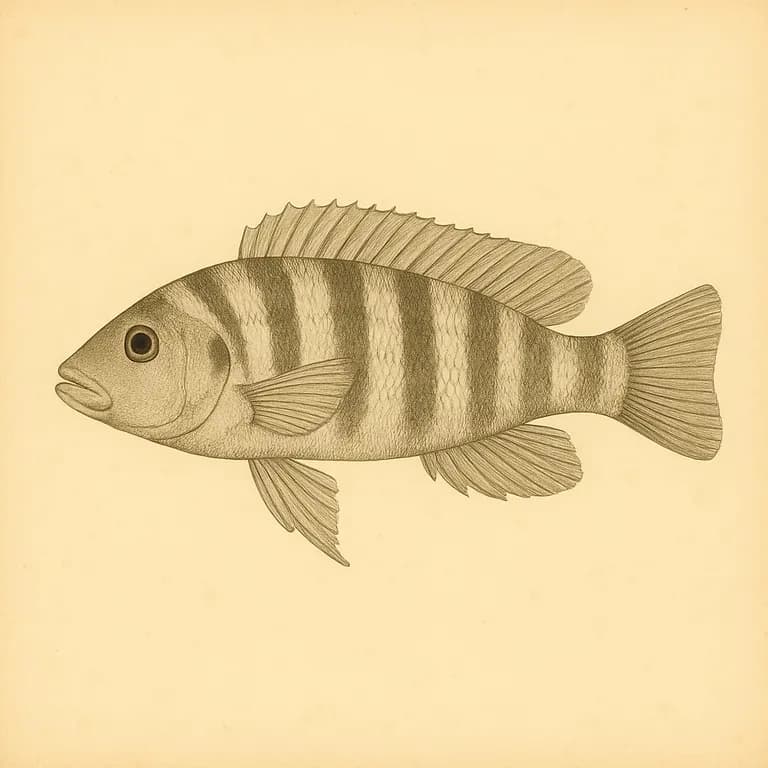 Kenyi cichlidMaylandia lombardoi
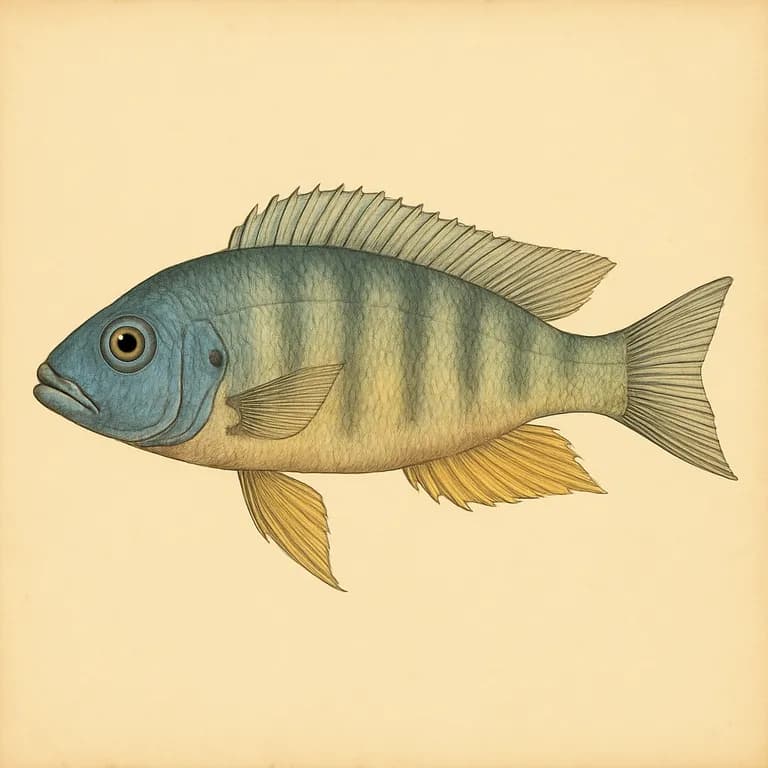 Stuart Grant’s peacock cichlidAulonocara stuartgranti
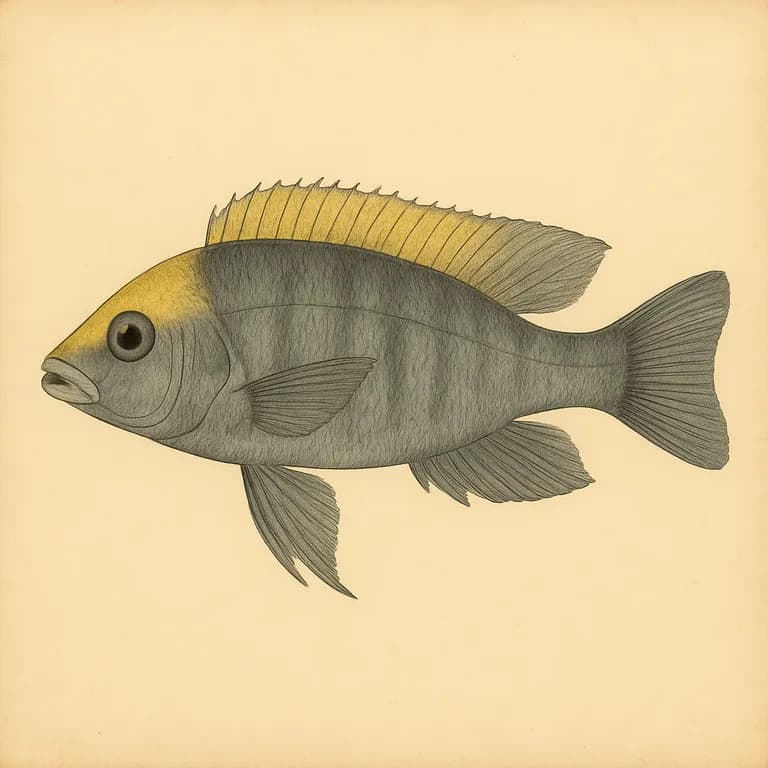 Sulphurhead peacockAulonocara maylandi
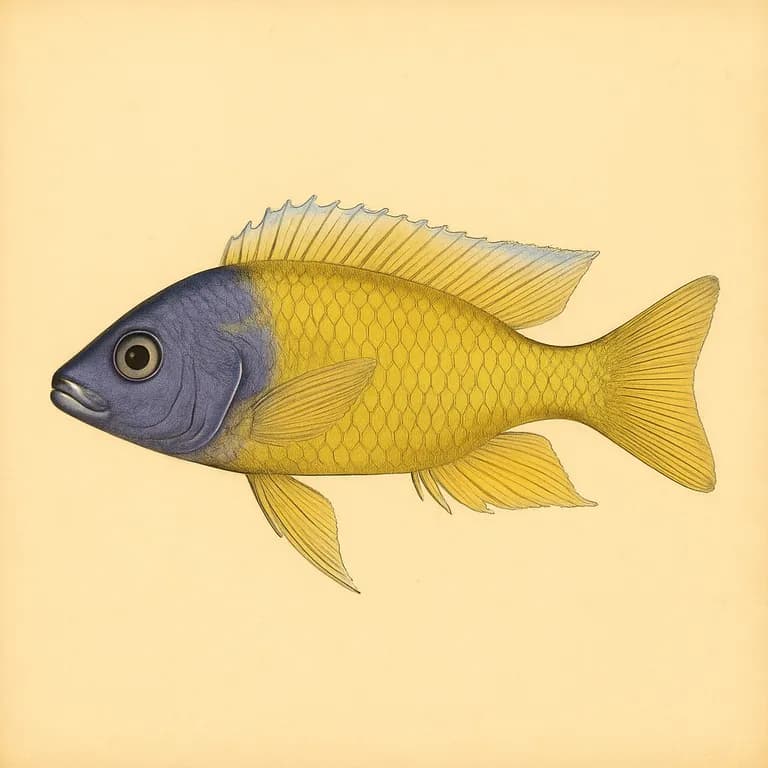 Benga peacock (sunshine)Aulonocara baenschi
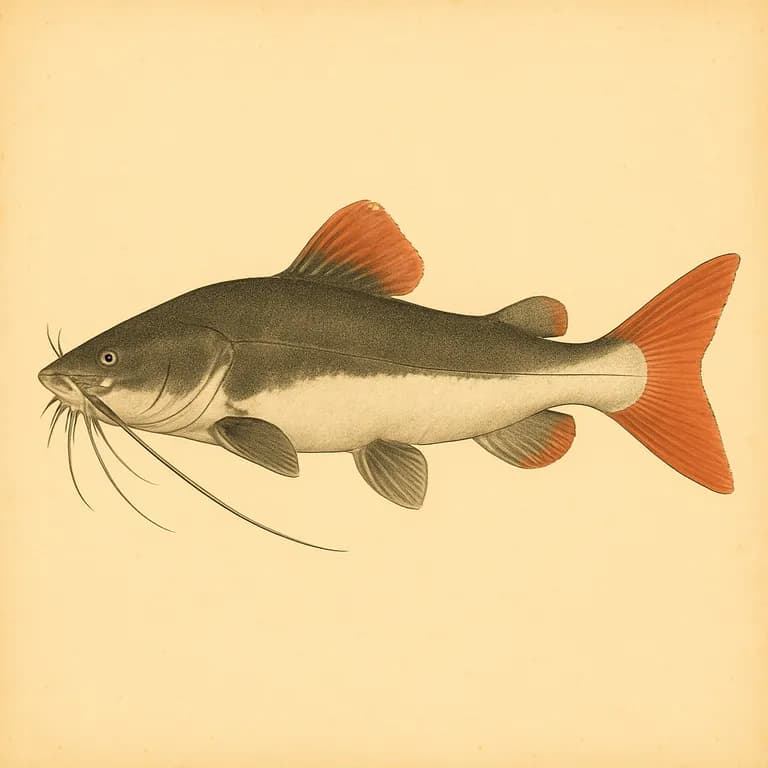 Red-tailed catfishPhractocephalus hemioliopterus
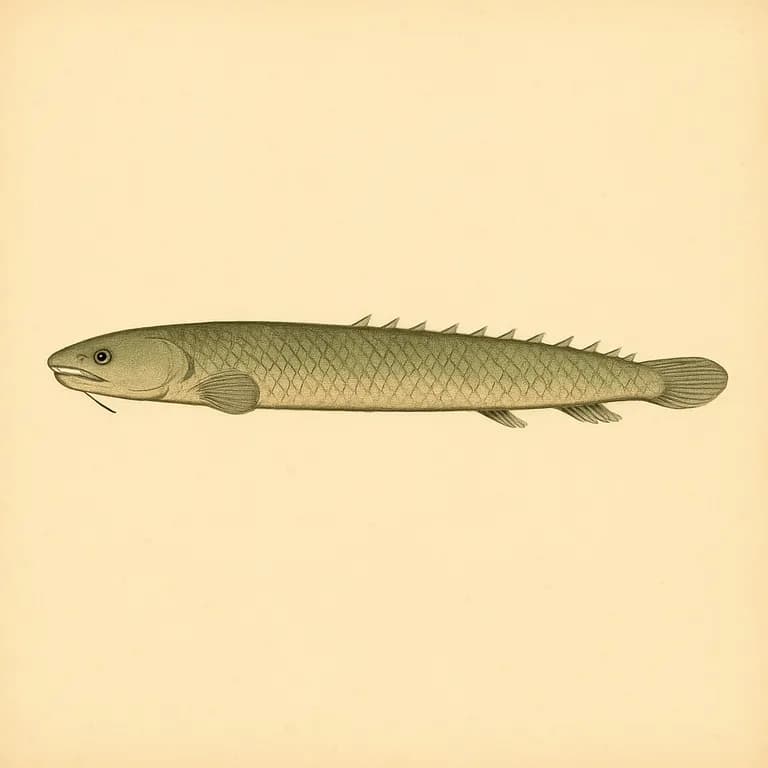 RopefishErpetoichthys calabaricus
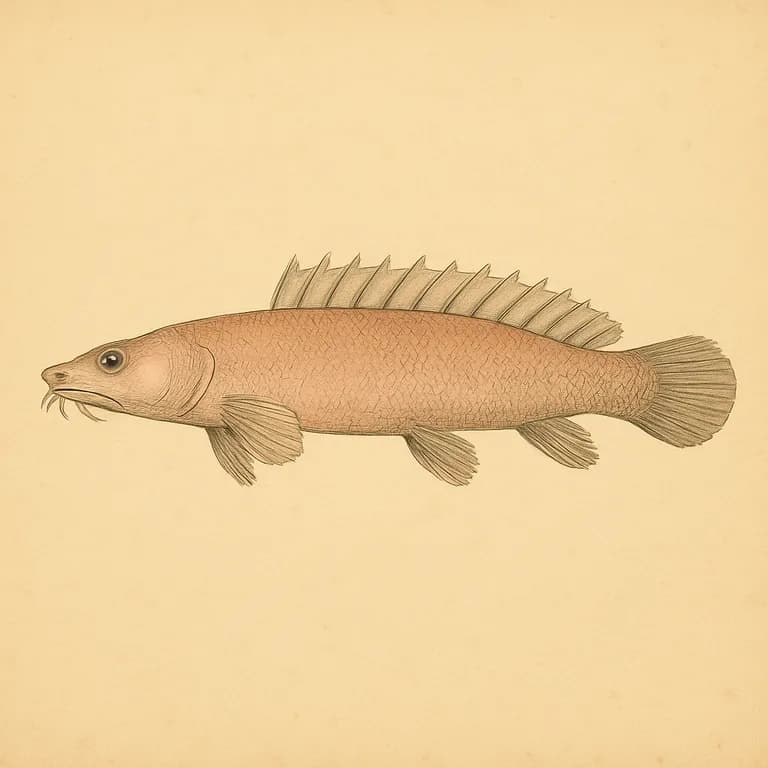 Senegal bichirPolypterus senegalus
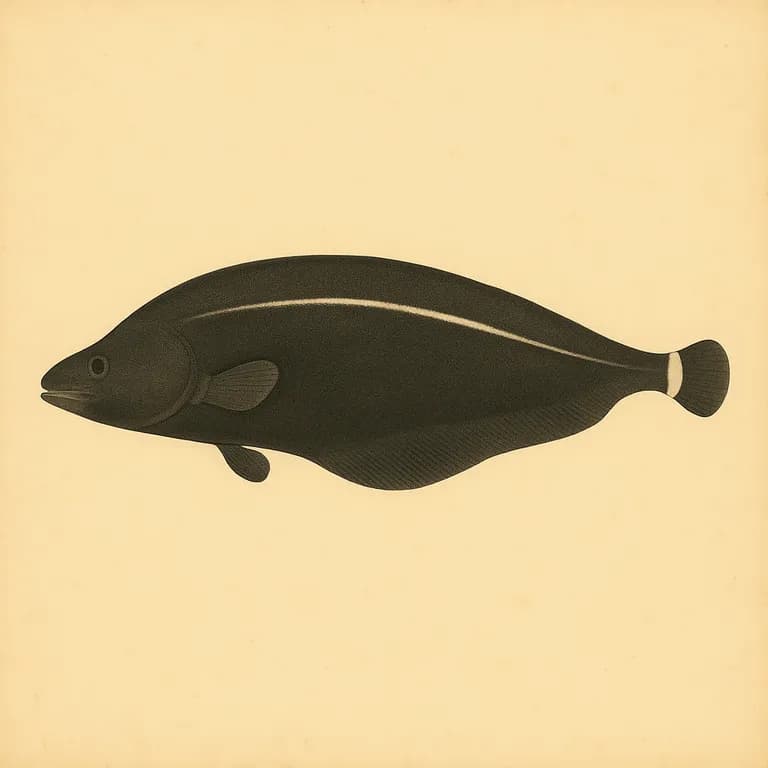 Black ghost knifefishApteronotus albifrons
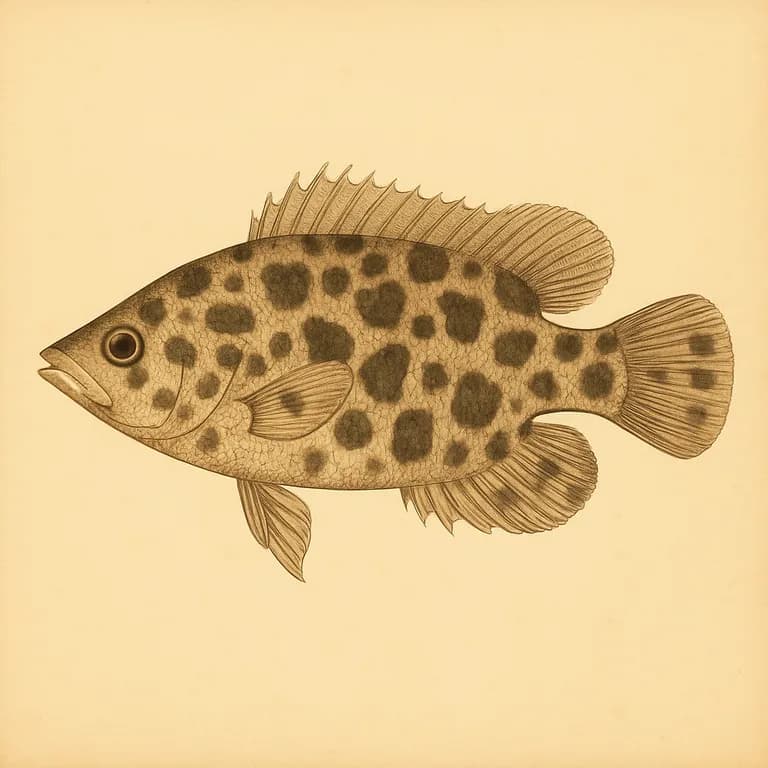 Leopard bush fishCtenopoma acutirostre
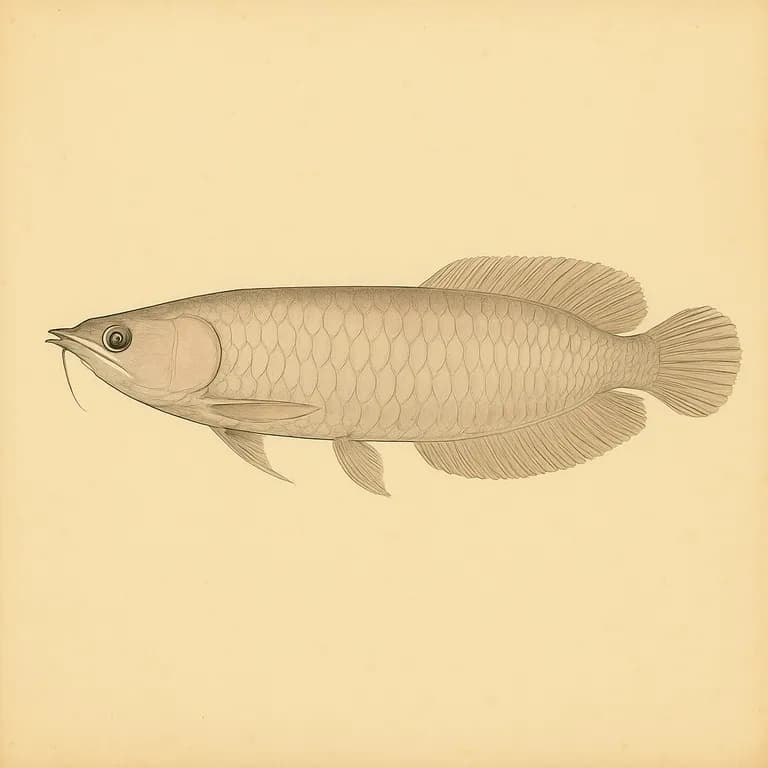 Silver arowanaOsteoglossum bicirrhosum
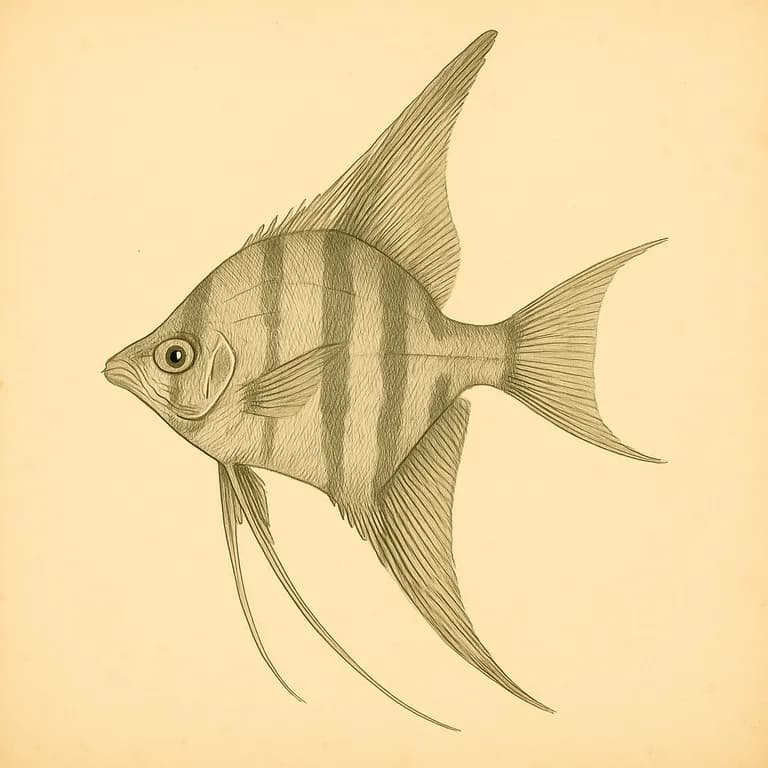 Altum angelfishPterophyllum altum
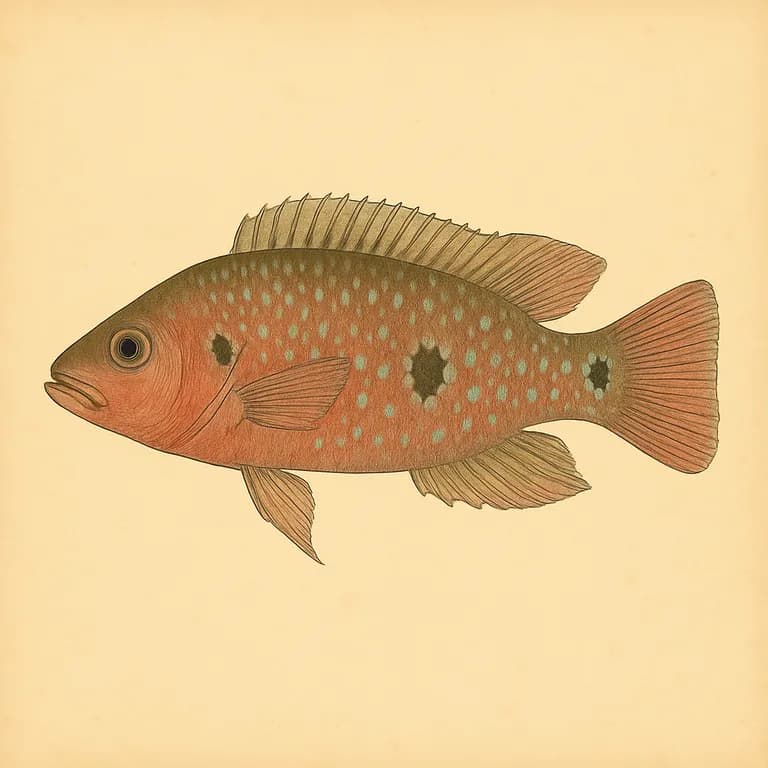 Jewel cichlidHemichromis bimaculatus
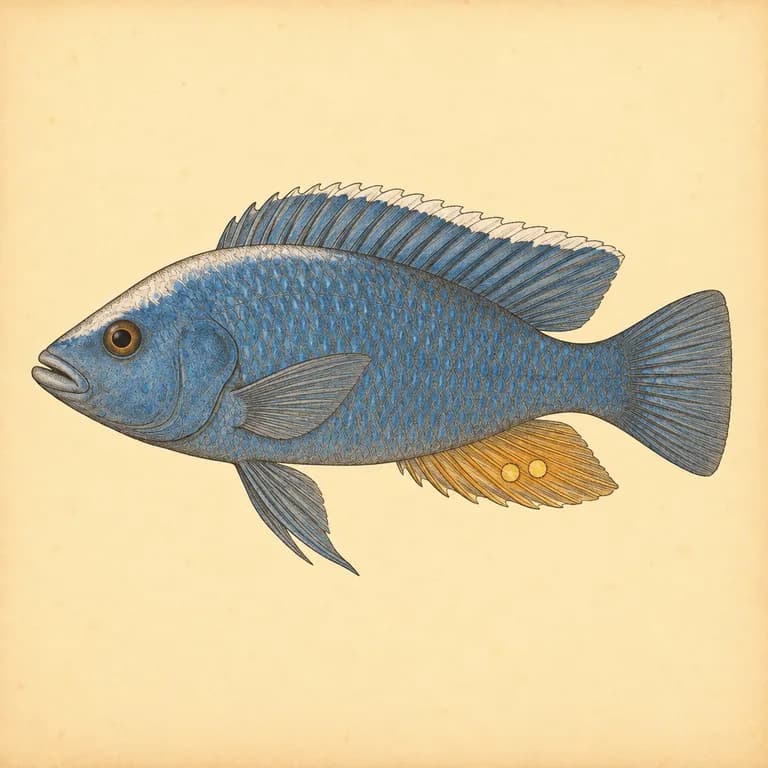 Electric blue hap (fryeri)Sciaenochromis fryeri
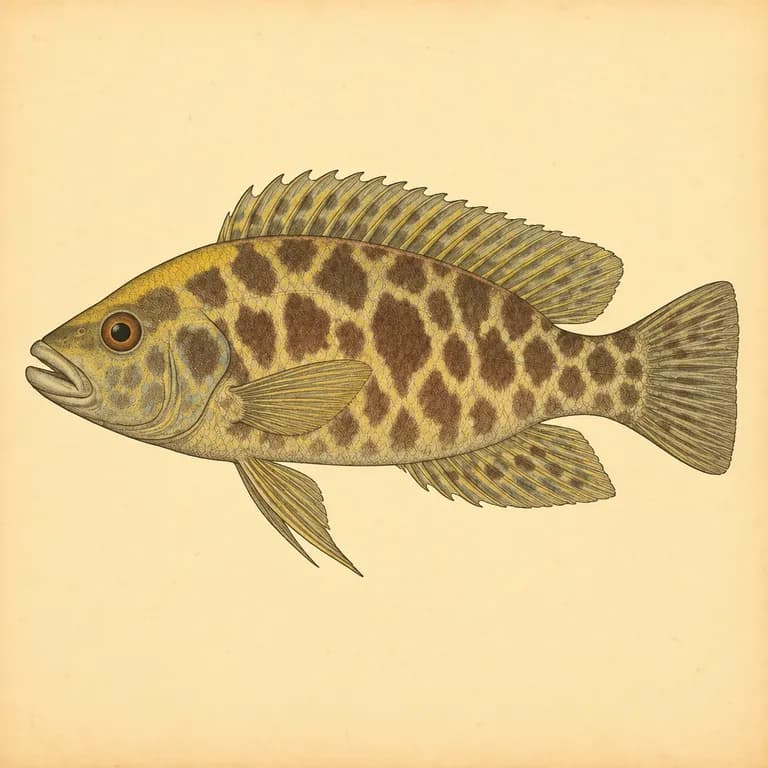 Venustus (giraffe cichlid)Nimbochromis venustus
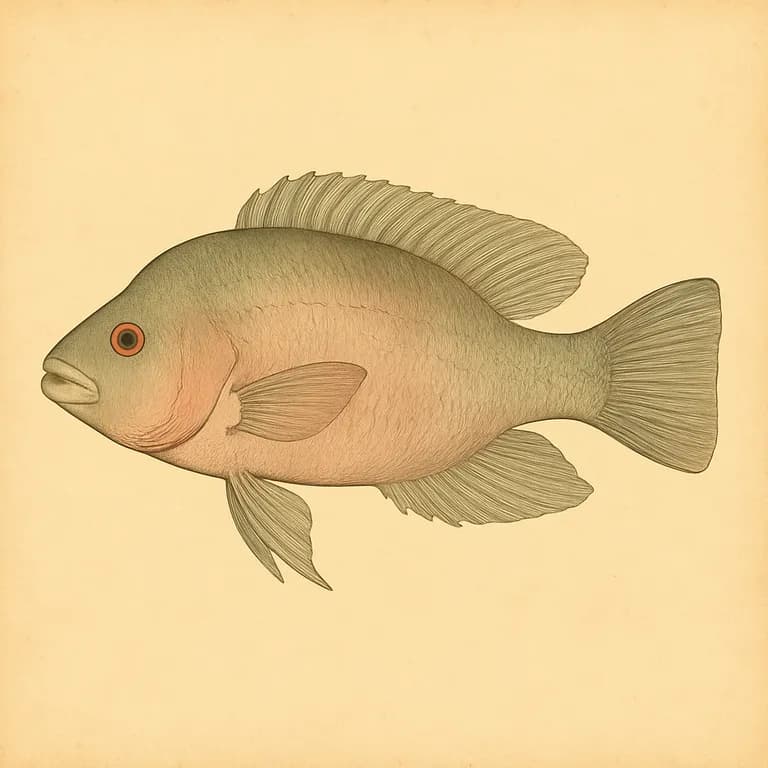 Midas cichlid (red devil)Amphilophus citrinellus
Related species

Keep Neon tetra in the BlubHub app
Add this species to your inhabitants, with count and photos, and see the care info next to your own water values, target bands and reminders. Free, no account, everything on your own device.
Values are mainstream hobbyist guidance, not gospel. Always watch what your own animals need.