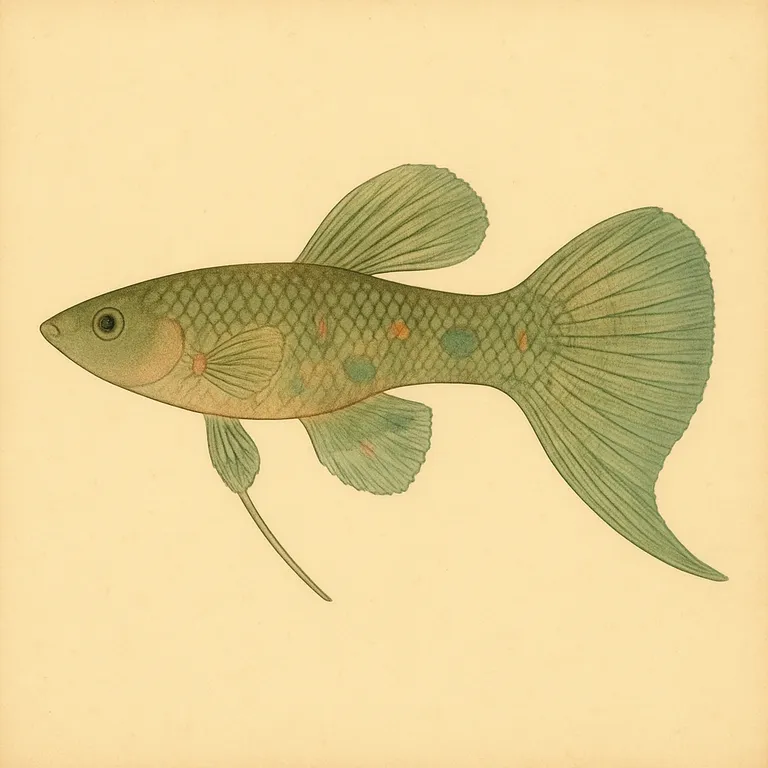
Guppy
Poecilia reticulata
FishFreshwater
- Care level
- Easy
- Temperament
- Peaceful
- Recommended tank
- 54 L
- Maximum size
- 5 cm
- Temperature
- 22–28 °C
- pH
- 6.8–8
- Group size
- ≥ 3
- Diet
- Omnivore
Care at a glance
The guppy earned its nickname of millionfish through sheer reproductive enthusiasm: it is a livebearer, and a small starter group grows into a sizeable population within months. Males are small and colourful, females larger and plainer; if you don't want fry, keep males only.
Guppies are easy, active and tolerant, thriving in medium-hard to hard, slightly alkaline water. When buying, look for robust, locally bred stock: heavily line-bred show forms with enormous tails are far more fragile. Keep them away from fin-nippers and feed a varied diet of small foods.
Origin
The wild guppy (Poecilia reticulata) comes from north-eastern South America and from islands in the southern Caribbean such as Trinidad. There it lives in streams, ditches and pools. Because it eats mosquito larvae, it has been released in many places around the world, with harmful effects on native fish. So never release surplus guppies into the wild.
Male or female
In the male the anal fin has developed into a rod-shaped mating organ, the gonopodium. The female has a fan-shaped anal fin and often a dark spot above it, which grows larger and darker when she is pregnant.
Males chase the females almost all day. If you keep both sexes, plan on two to three females per male so that the attention is spread.
Fry and breeding
A female can store sperm and have several broods from a single mating. Gestation usually takes three to four weeks. The fry are born free-swimming, and adult guppies eat them when they get the chance.
If you want to raise fry, provide a dense mass of fine-leaved or floating plants where they can hide. A breeding box also works, but it stresses the female if she stays in it for long. Think in advance about where the young will go, for example to a pet shop or an aquarium club.
Tankmates
Guppies suit other calm fish that tolerate hard water well, such as platies and corydoras, as well as nerite snails. Bettas and tiger barbs do not belong with them. Endler guppies interbreed with common guppies, so keep the two apart if you want pure lines.
Healthy fish and common problems
Healthy guppies swim actively, keep their fins spread and have no white spots or ragged edges. A fish that shimmies in place with clamped fins is often kept in water that is too soft or of poor quality.
Fin rot, in which the tail becomes ragged and wastes away, is seen mostly in show strains with large tails. Regular water changes and a tank that does not become overcrowded prevent most cases.
Best not combined with
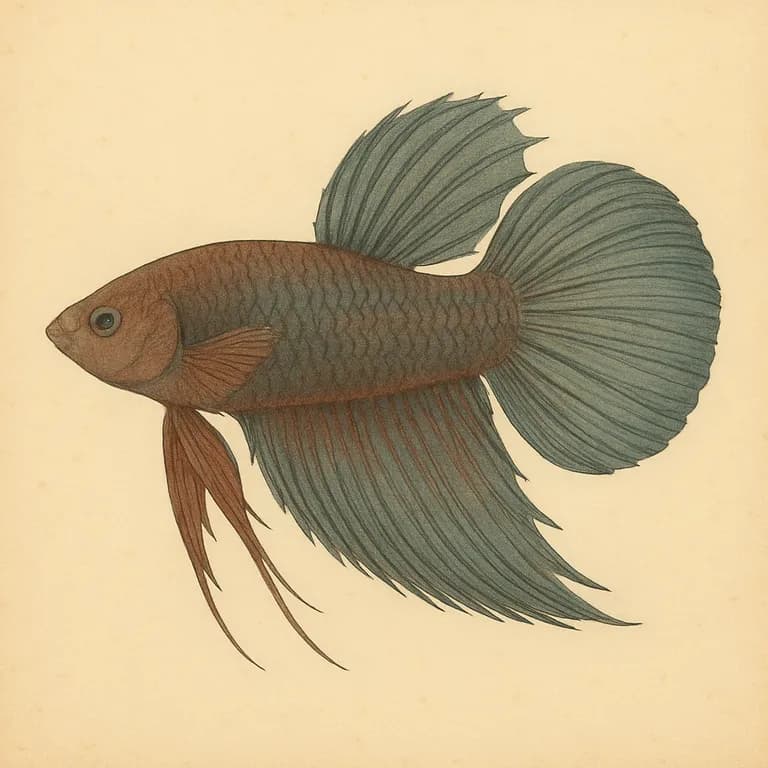 BettaBetta splendens
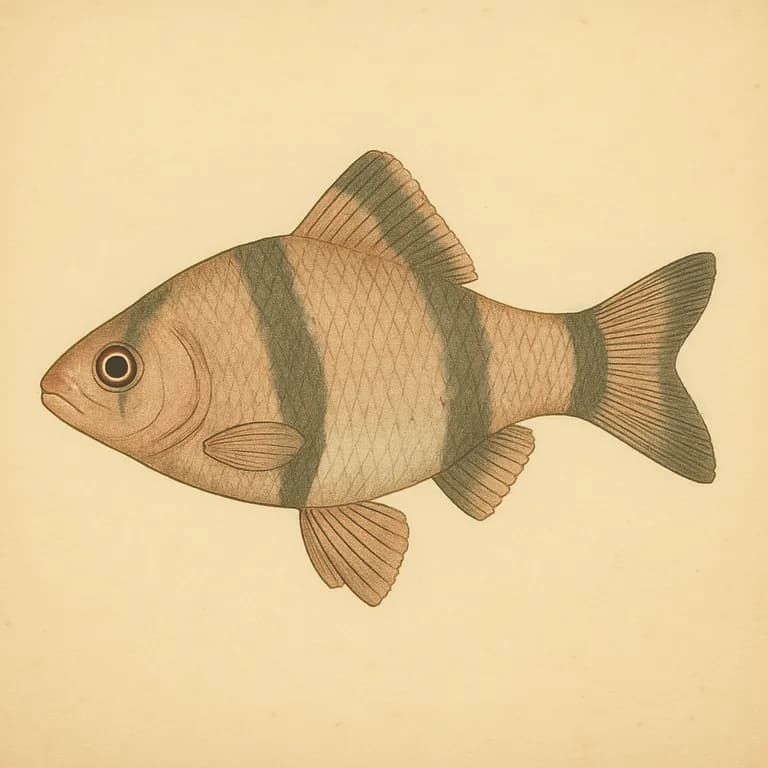 Tiger barbPuntigrus tetrazona
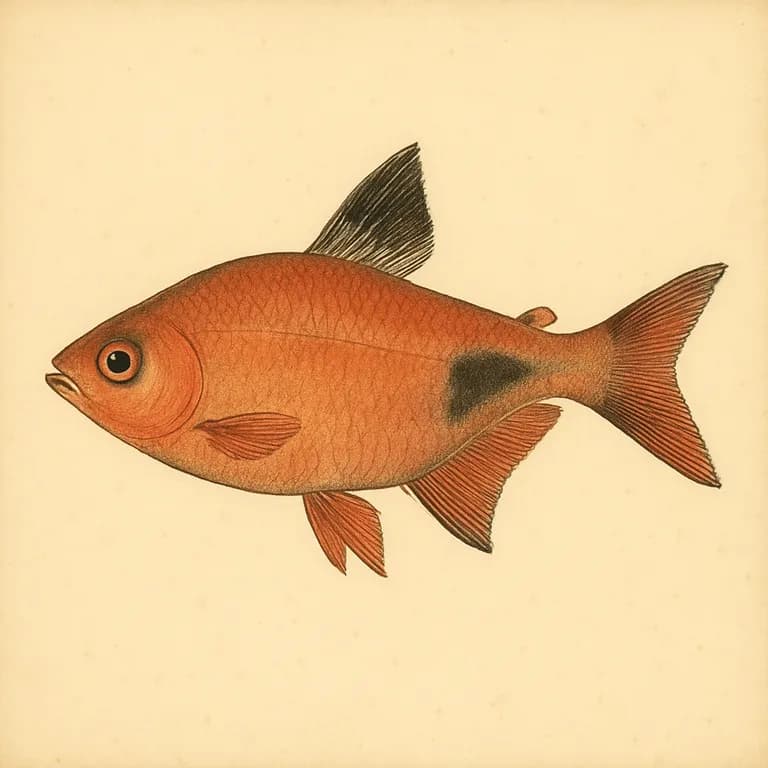 Serpae tetraHyphessobrycon eques
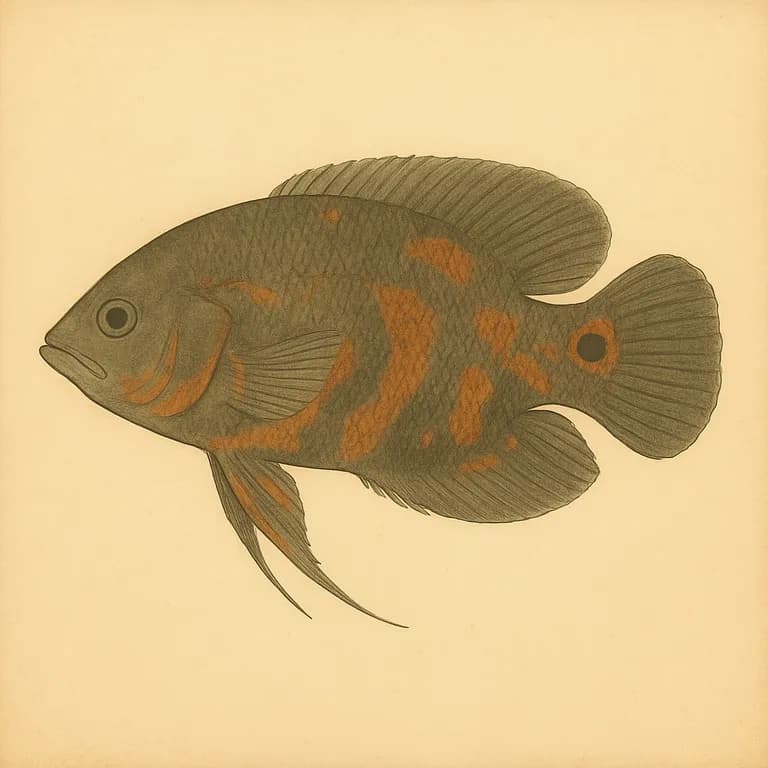 OscarAstronotus ocellatus
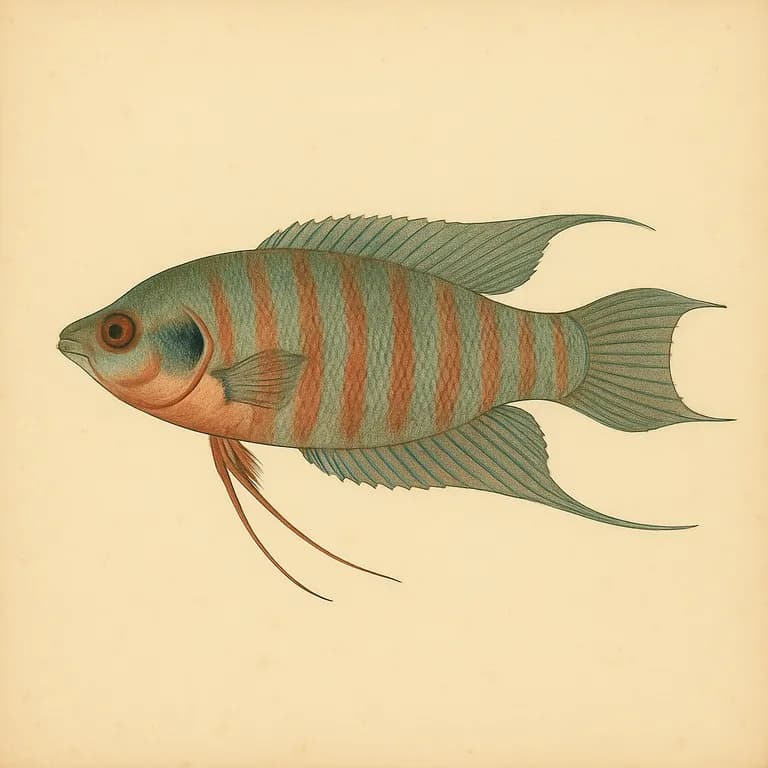 Paradise fishMacropodus opercularis
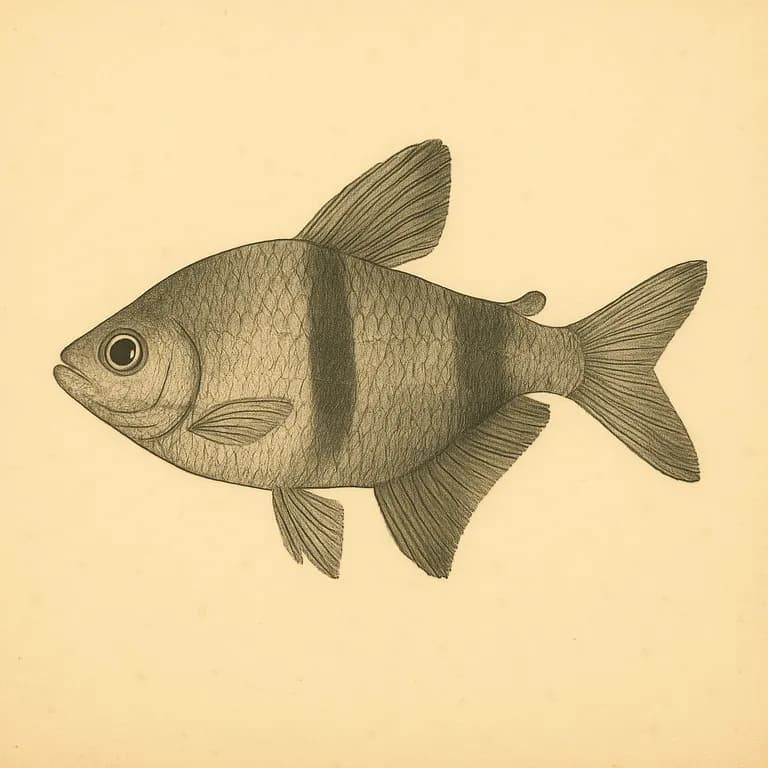 Black skirt tetraGymnocorymbus ternetzi
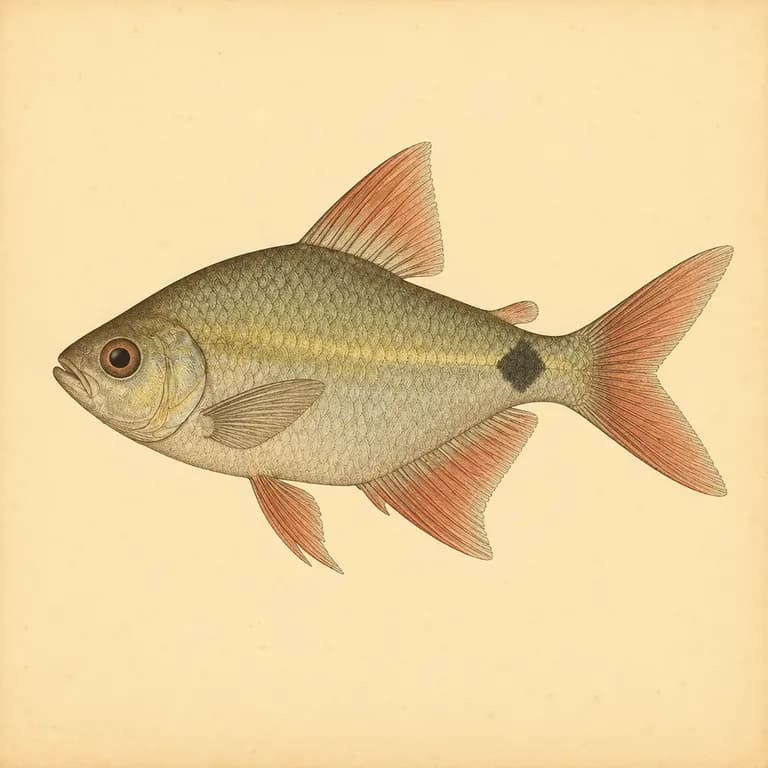 Buenos Aires tetraHyphessobrycon anisitsi
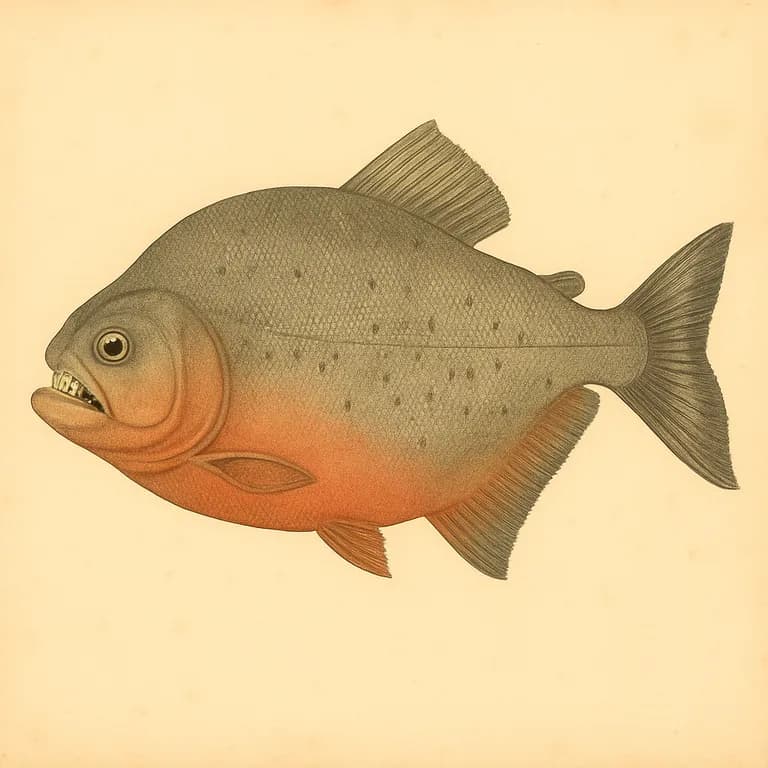 Red-bellied piranhaPygocentrus nattereri
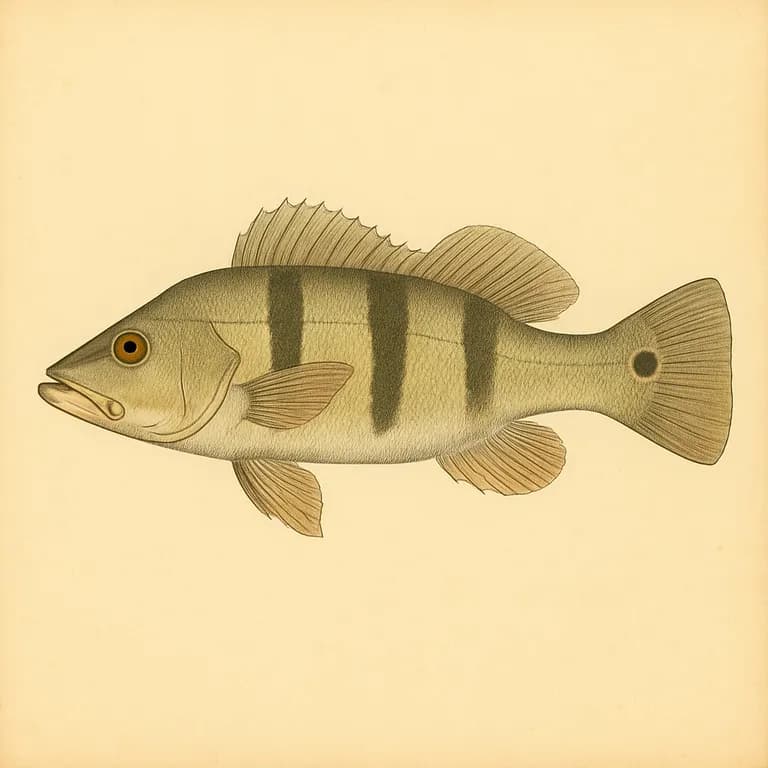 Peacock bassCichla ocellaris
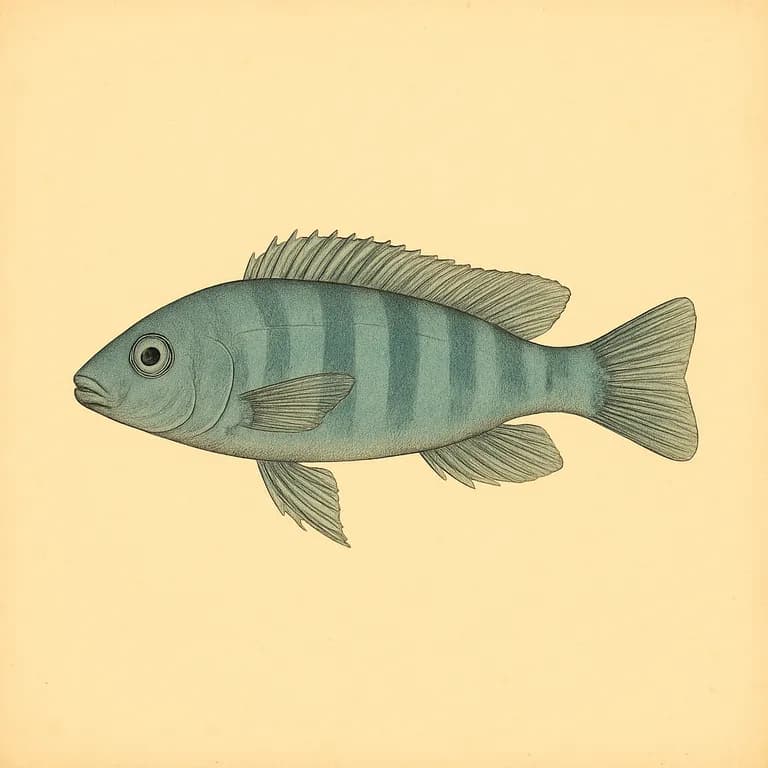 Saulosi mbunaChindongo saulosi
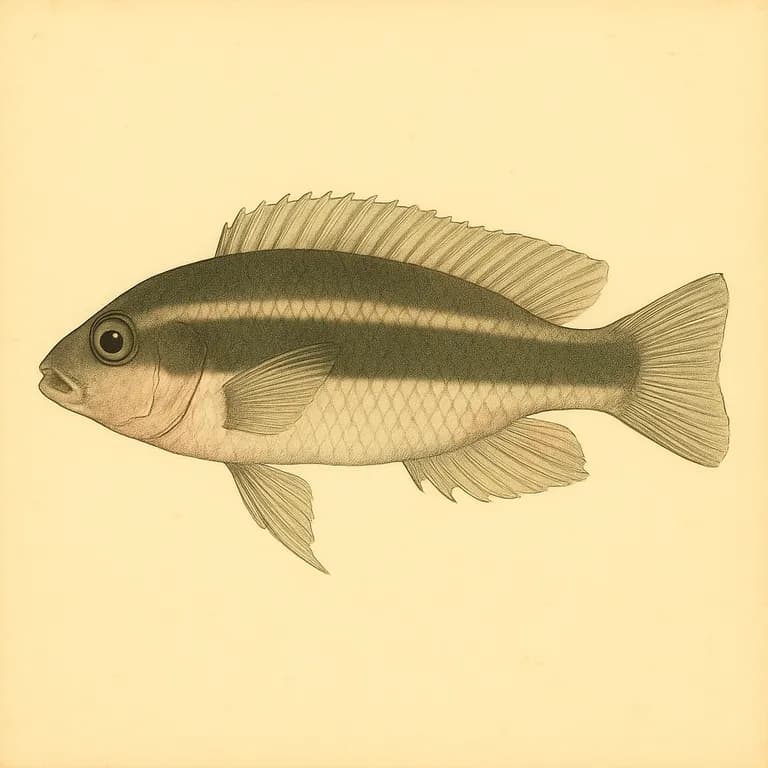 Auratus cichlidMelanochromis auratus
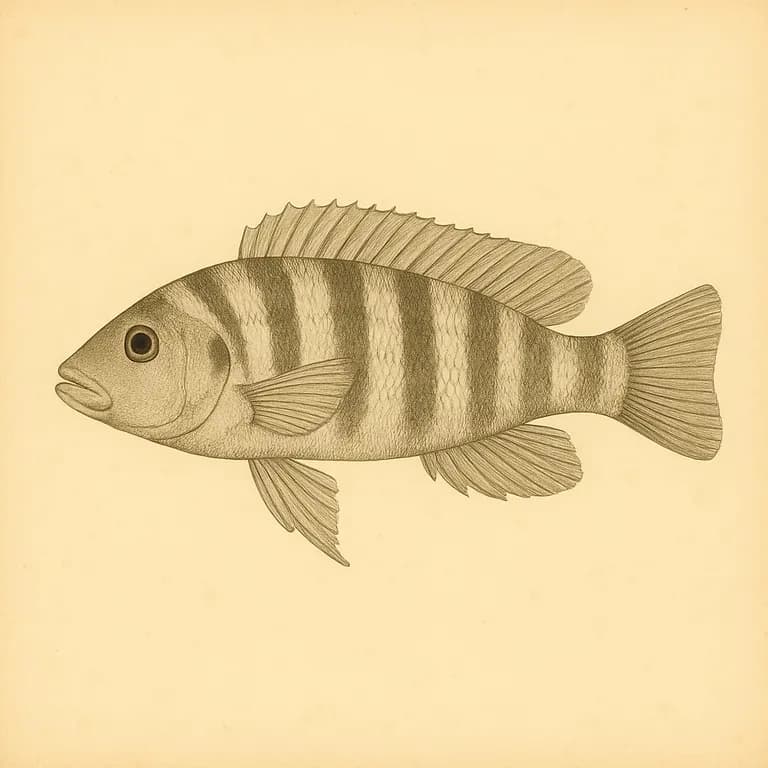 Kenyi cichlidMaylandia lombardoi
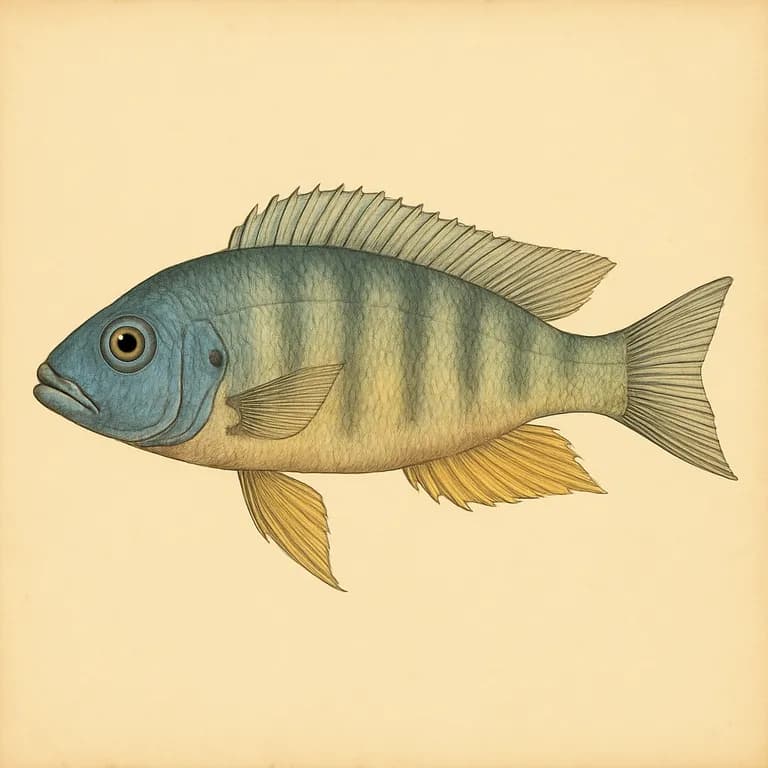 Stuart Grant’s peacock cichlidAulonocara stuartgranti
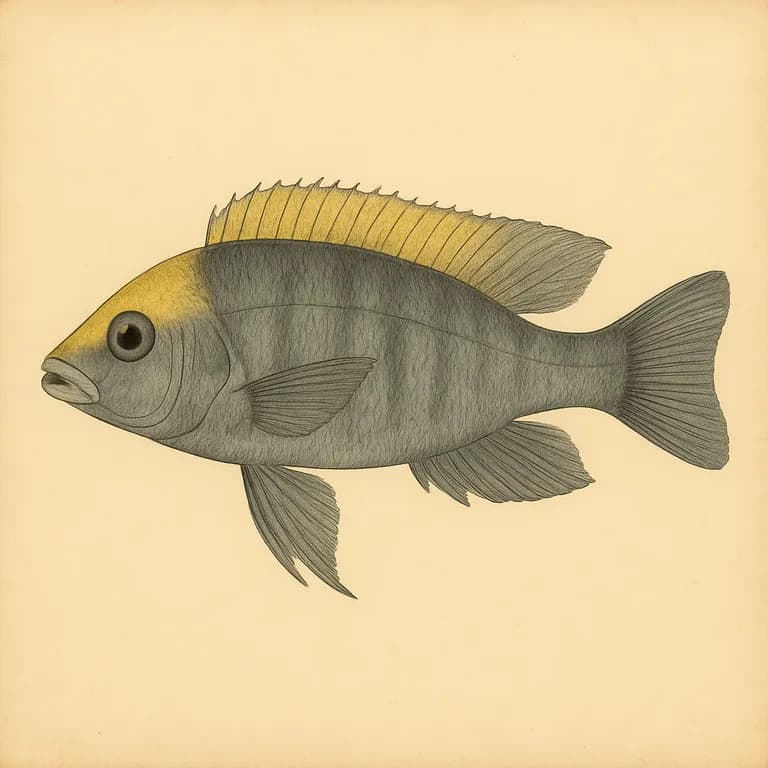 Sulphurhead peacockAulonocara maylandi
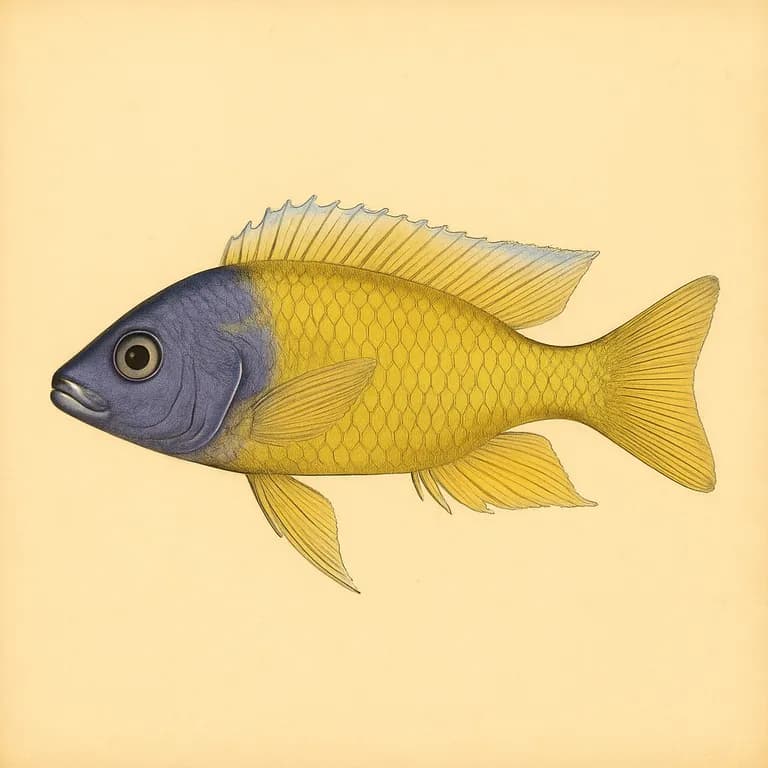 Benga peacock (sunshine)Aulonocara baenschi
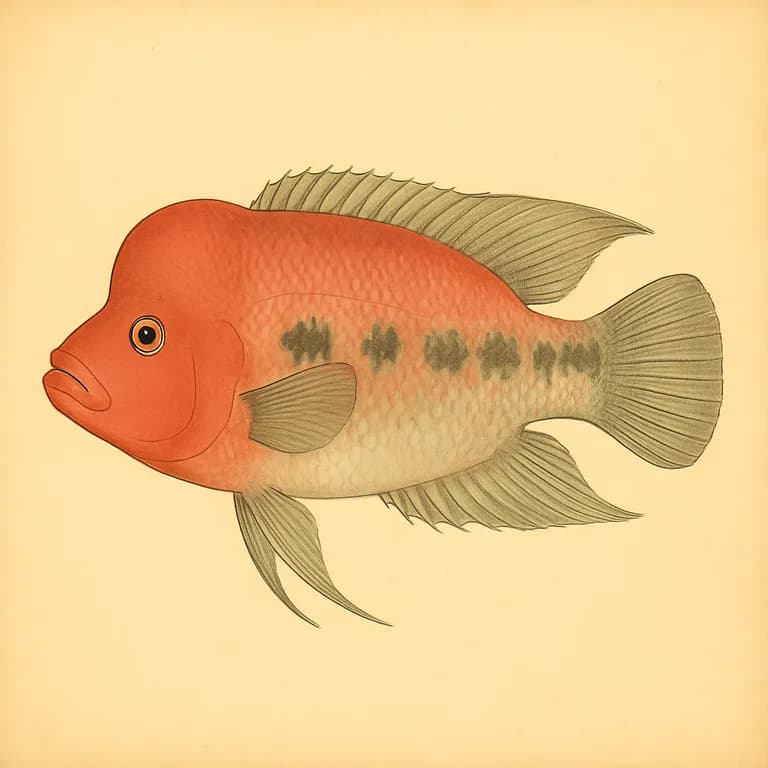 FlowerhornCichlasoma × hybride
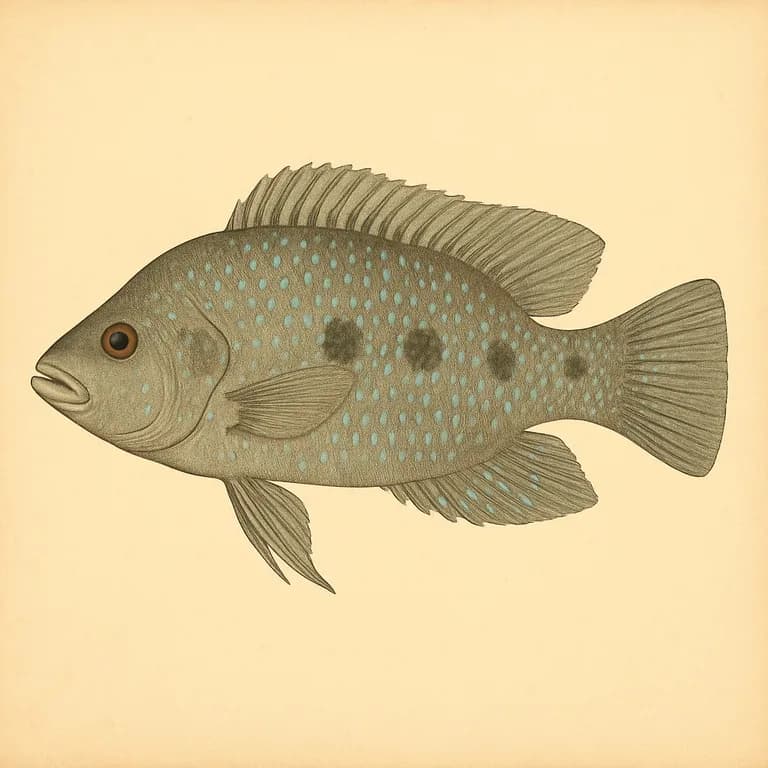 Texas cichlidHerichthys cyanoguttatus
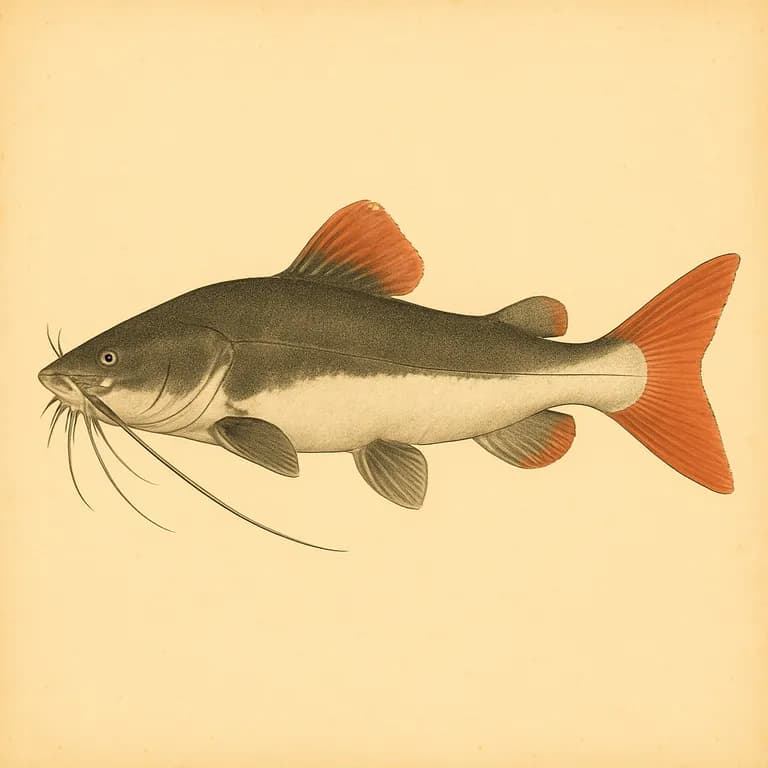 Red-tailed catfishPhractocephalus hemioliopterus
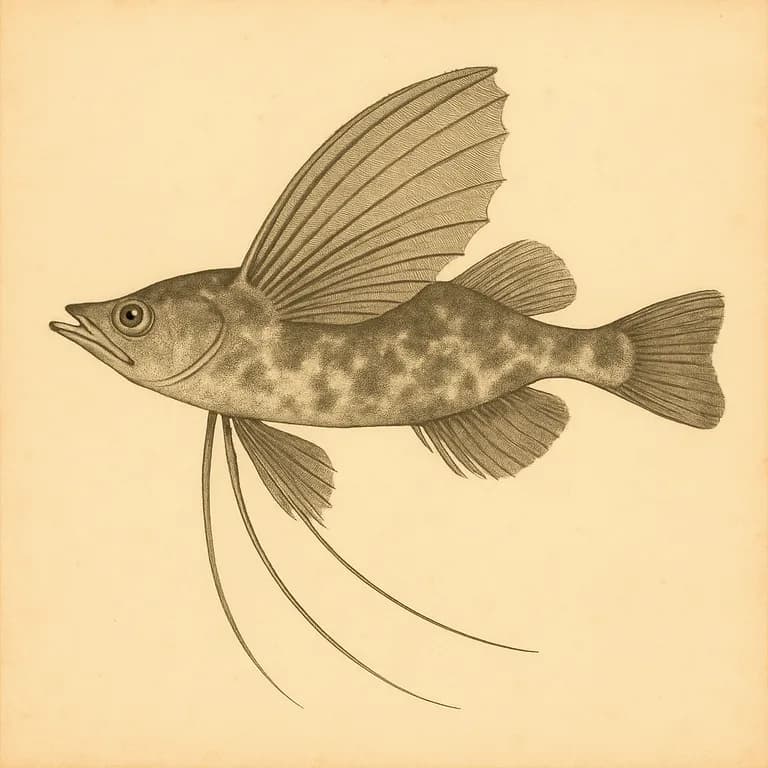 African butterflyfishPantodon buchholzi
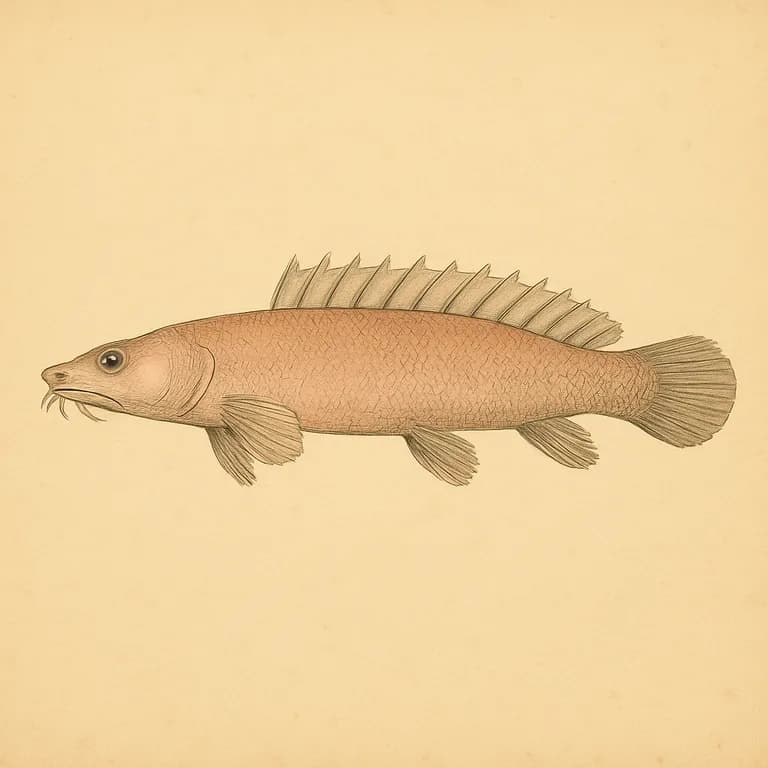 Senegal bichirPolypterus senegalus
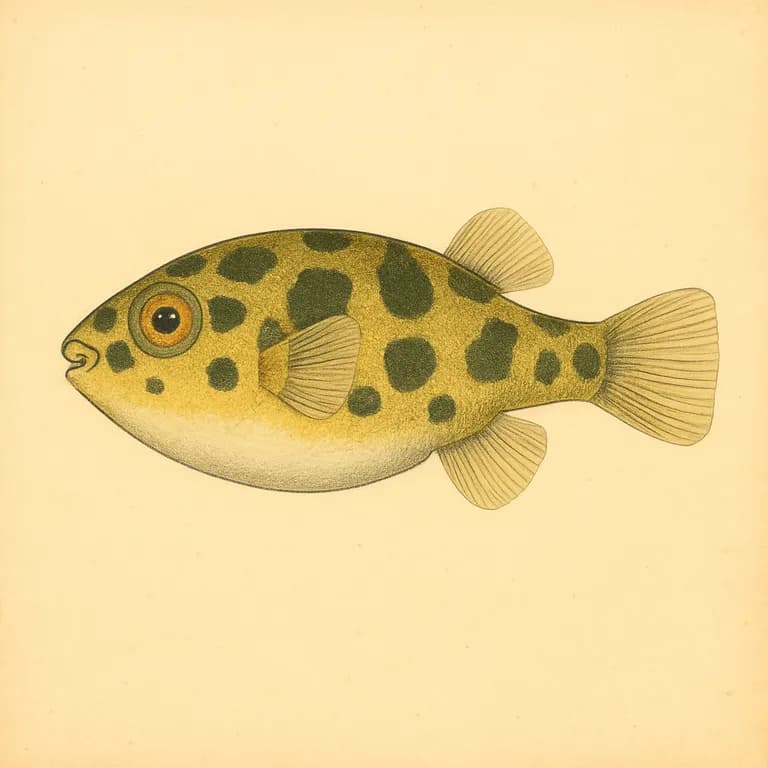 Pea pufferCarinotetraodon travancoricus
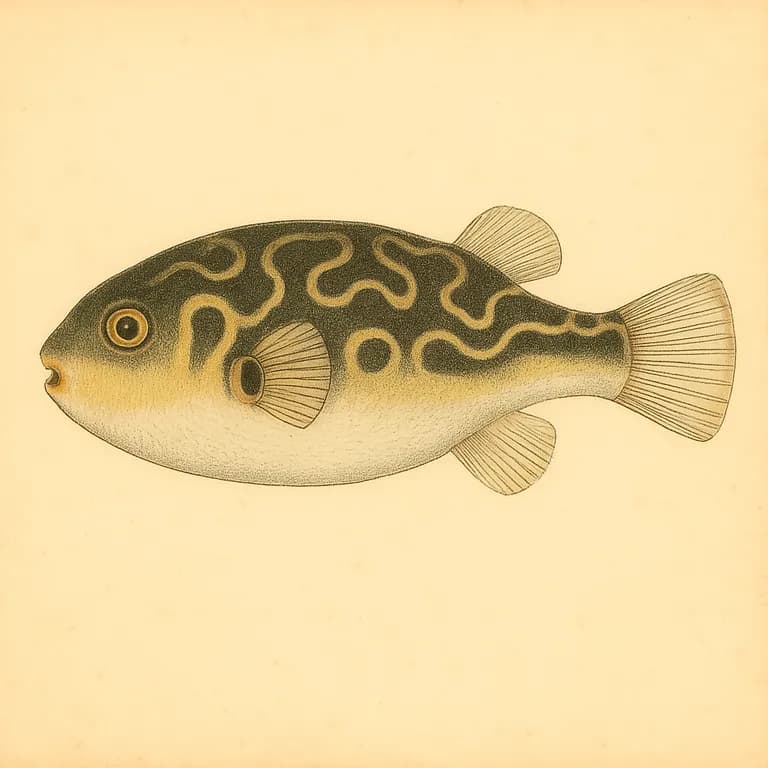 Figure eight pufferDichotomyctere ocellatus
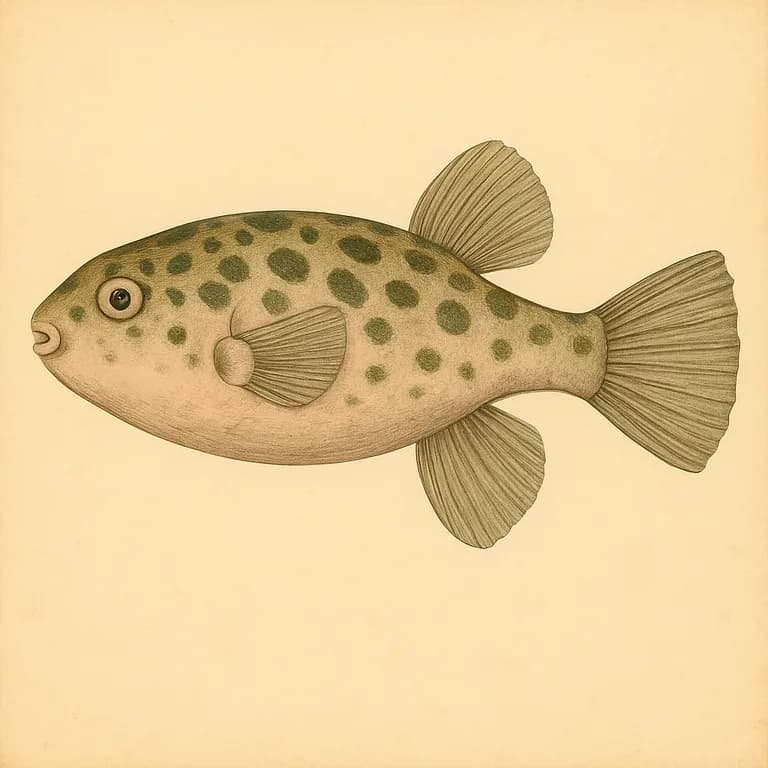 Green spotted pufferDichotomyctere nigroviridis
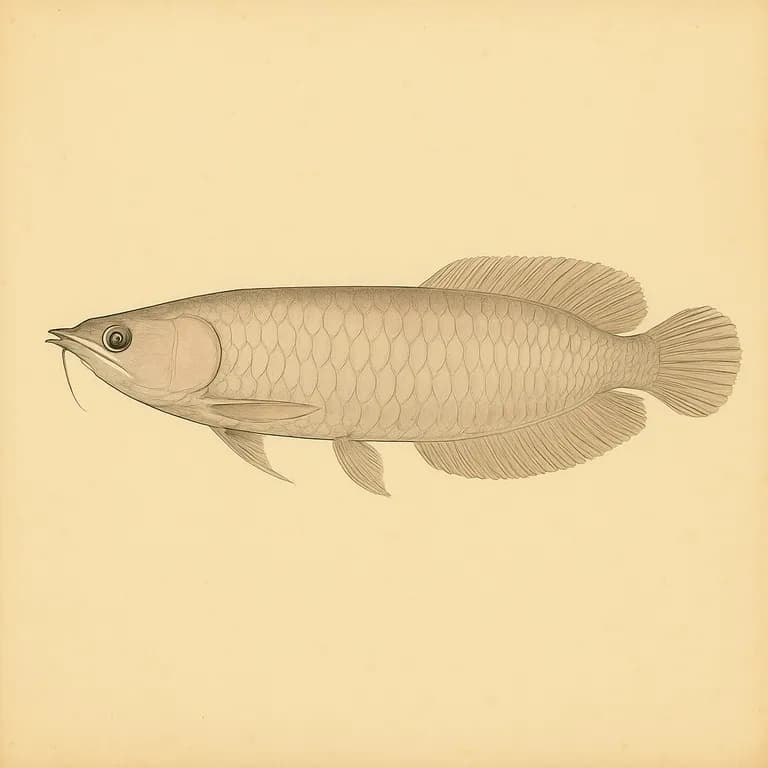 Silver arowanaOsteoglossum bicirrhosum
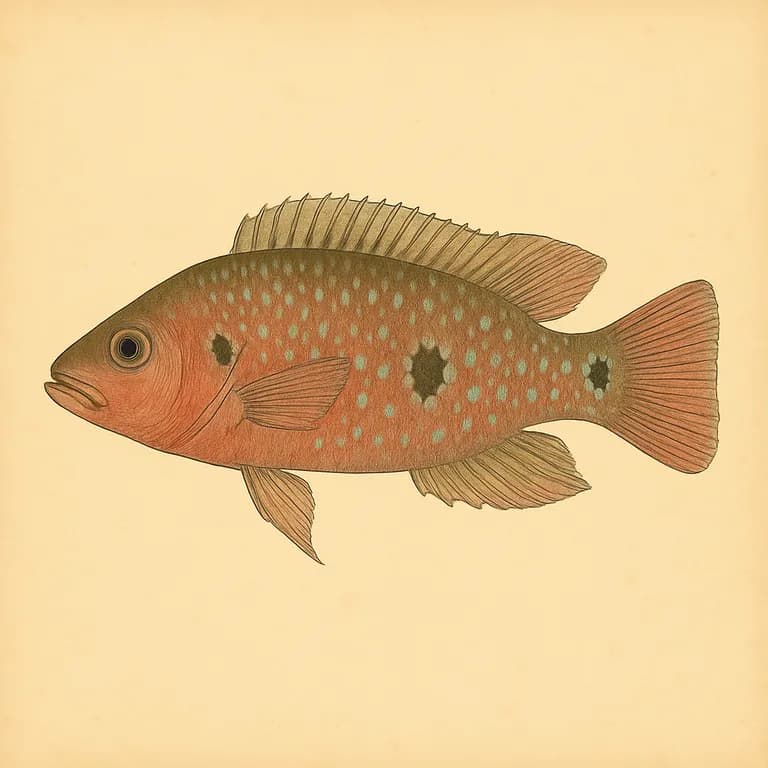 Jewel cichlidHemichromis bimaculatus
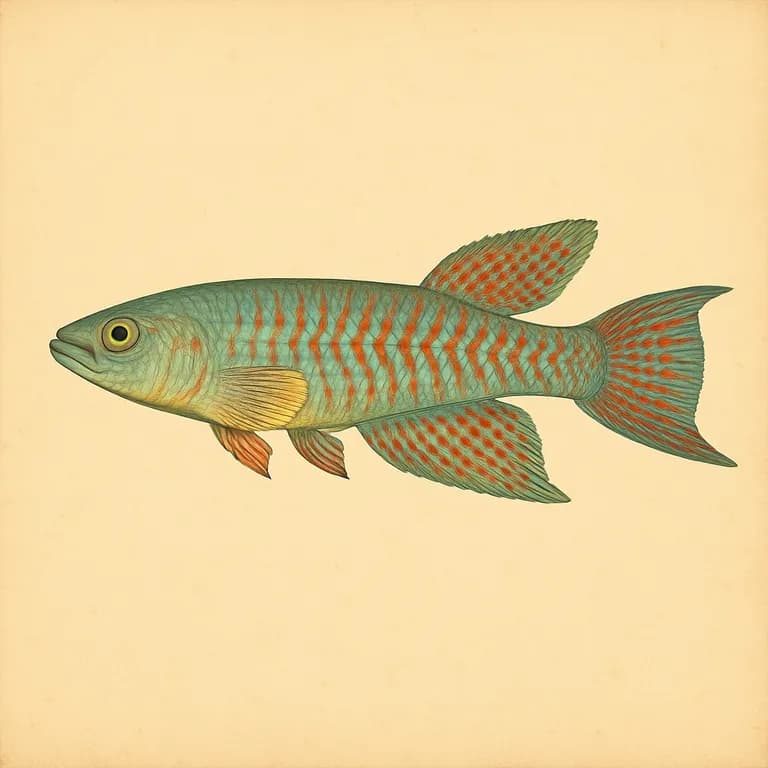 Blue gularis killifishFundulopanchax sjoestedti
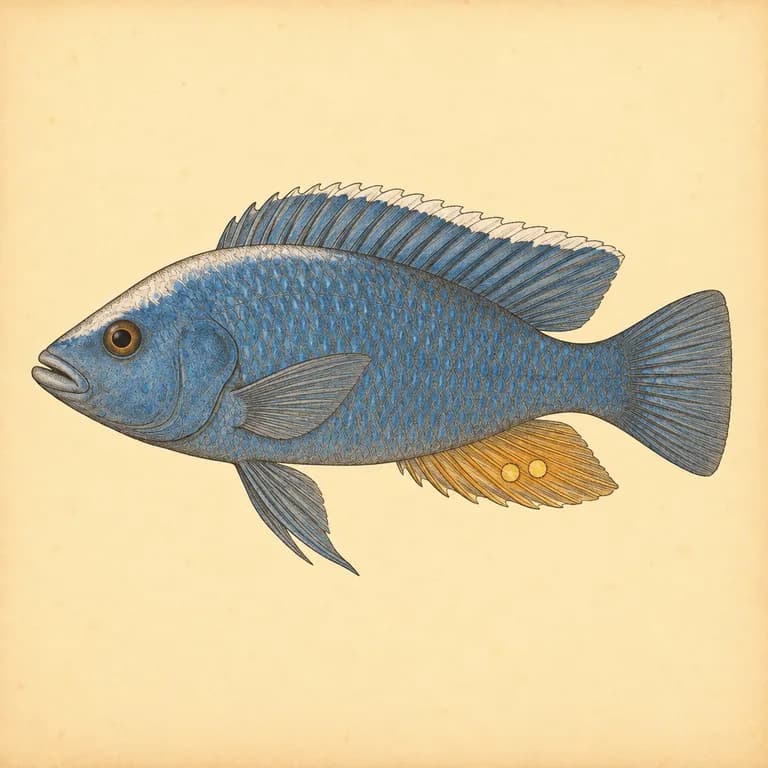 Electric blue hap (fryeri)Sciaenochromis fryeri
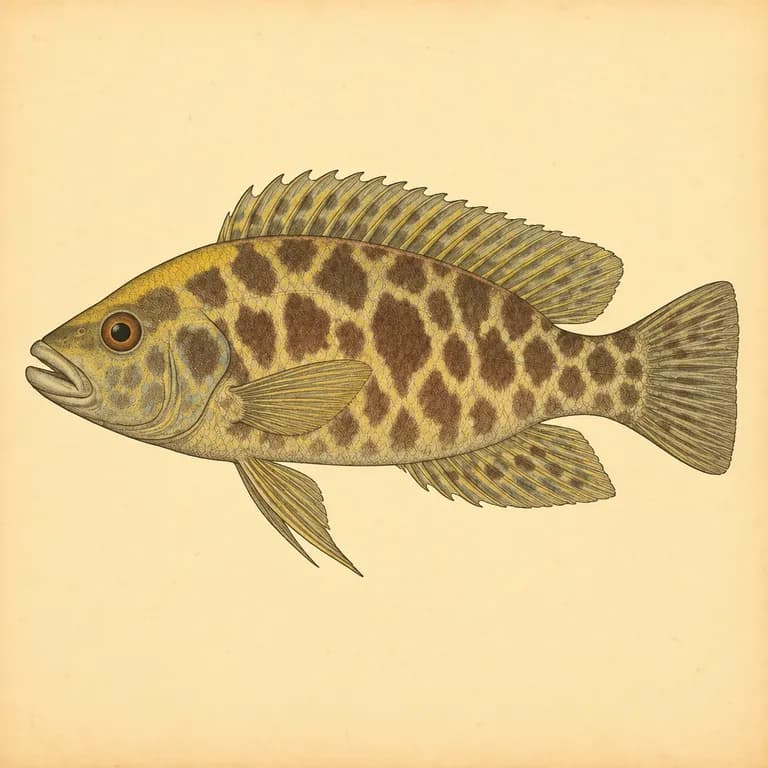 Venustus (giraffe cichlid)Nimbochromis venustus
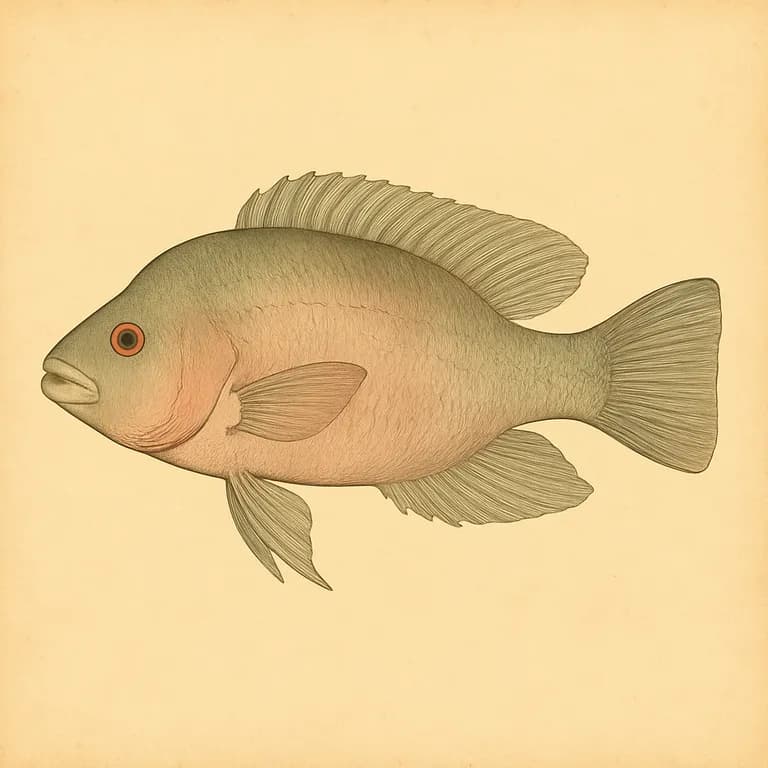 Midas cichlid (red devil)Amphilophus citrinellus
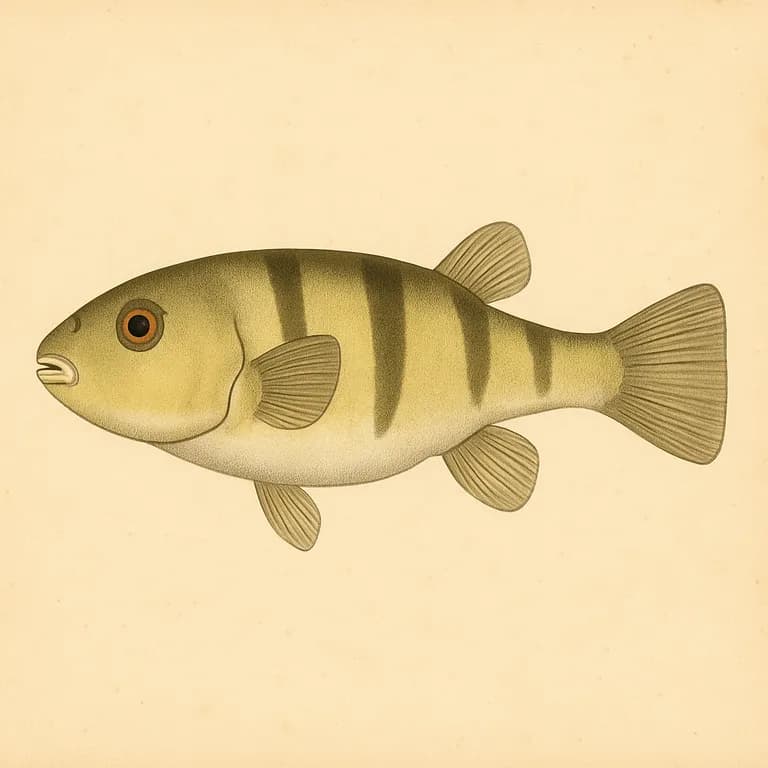 Amazon pufferColomesus asellus
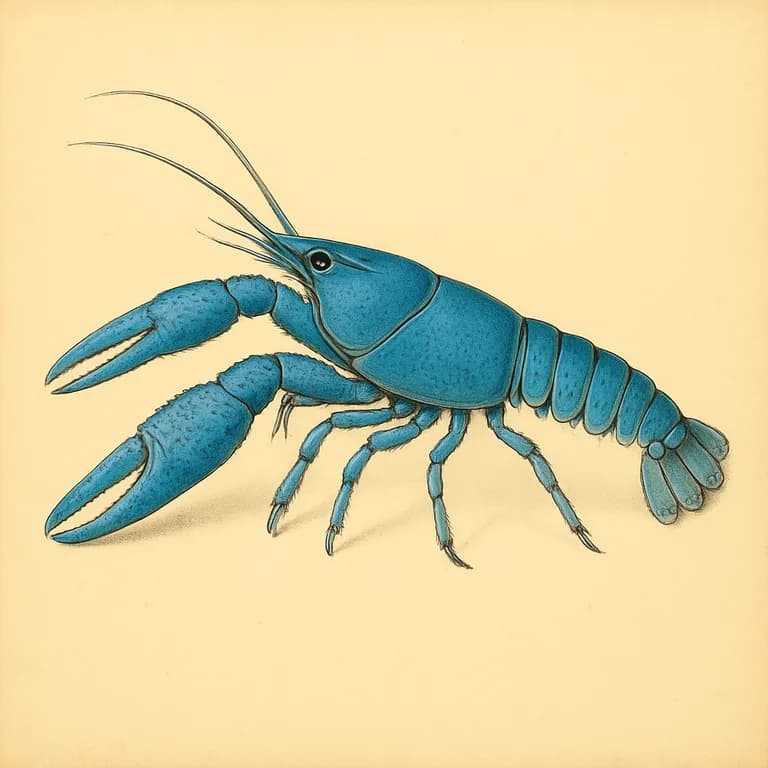 Electric blue crayfishProcambarus alleni
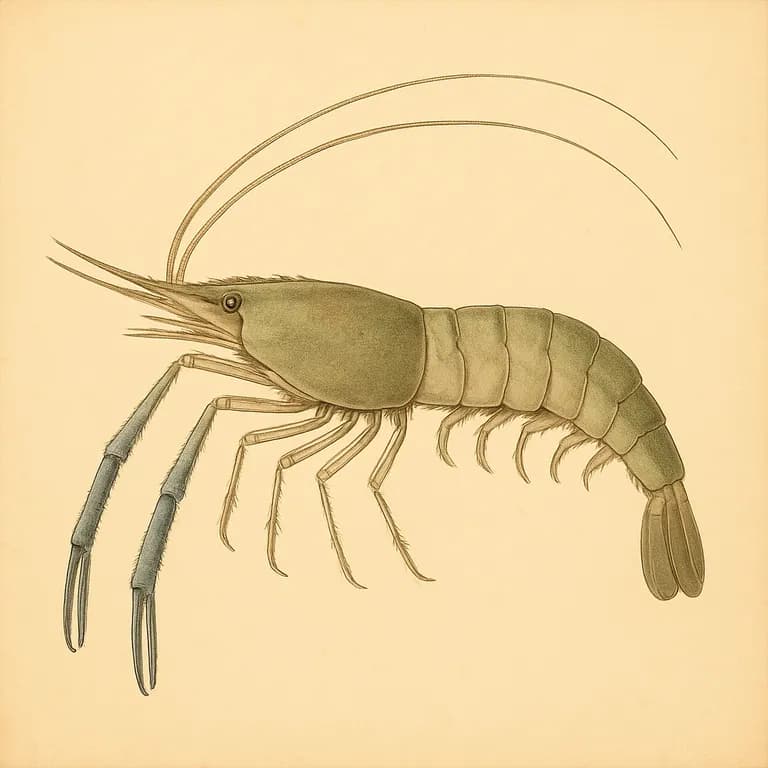 Giant freshwater shrimpMacrobrachium rosenbergii
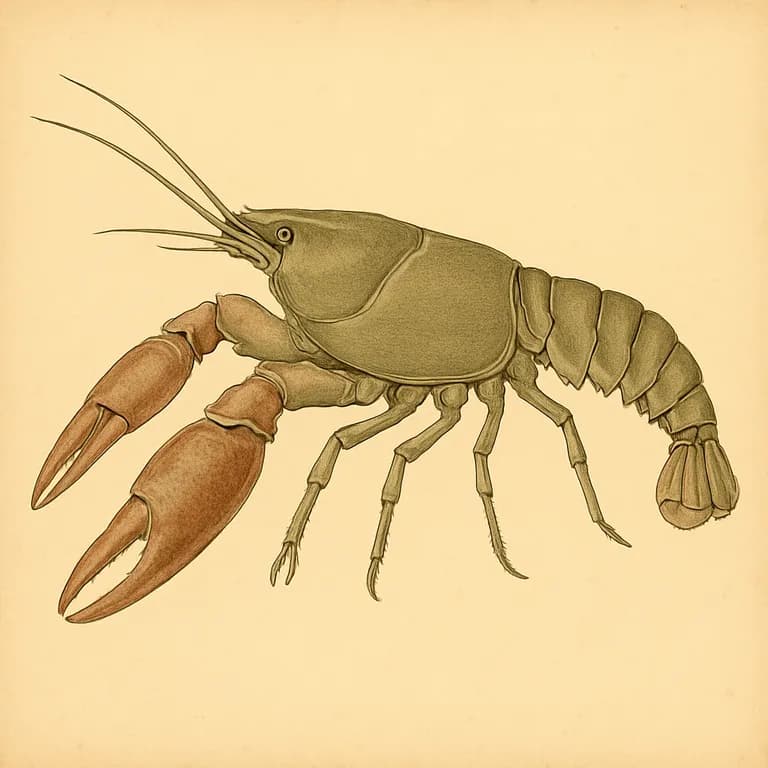 Redclaw crayfishCherax quadricarinatus
Related species

Keep Guppy in the BlubHub app
Add this species to your inhabitants, with count and photos, and see the care info next to your own water values, target bands and reminders. Free, no account, everything on your own device.
Values are mainstream hobbyist guidance, not gospel. Always watch what your own animals need.