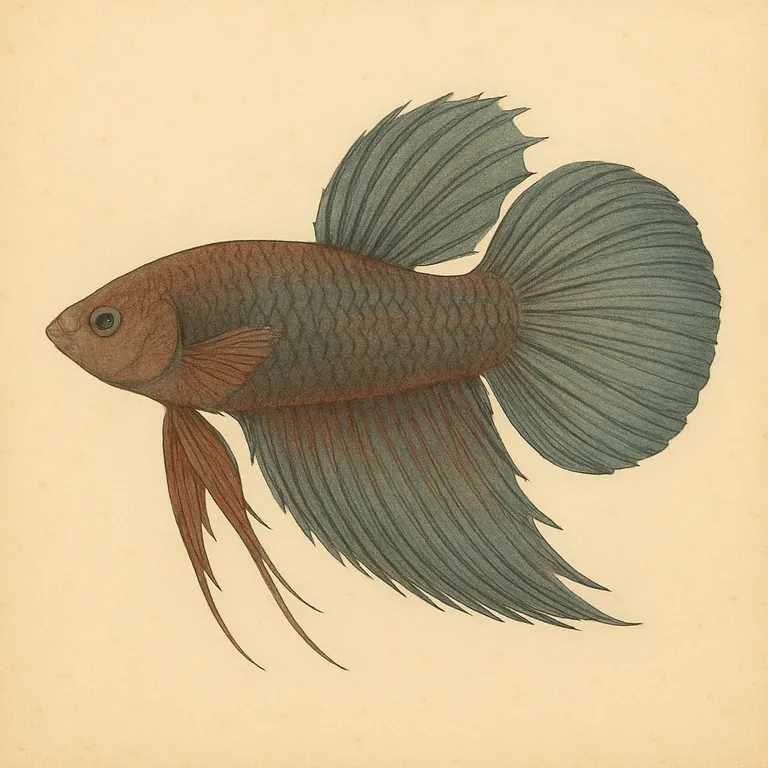
Betta
Betta splendens
FishFreshwater
- Care level
- Easy
- Temperament
- Semi-aggressive
- Recommended tank
- 25 L
- Maximum size
- 7 cm
- Temperature
- 24–30 °C
- pH
- 6–7.5
- Diet
- Carnivore
Care at a glance
The betta, or Siamese fighting fish, has character in the most literal sense: males will not tolerate each other, so keep only one. Its labyrinth organ lets it gulp air at the surface, so a calm, shallow, well-covered tank is all it needs; covered, because it can jump too.
Give it warm water without strong current, plus a few resting spots just below the surface, such as broad leaves. Long fins make it slow: fast tankmates and fin-nippers are poor company, and brightly coloured guppies can trigger aggression as well. As a carnivore it does best on small live or frozen foods.
Origin and bred forms
The wild betta (Betta splendens) lives in Thailand and neighbouring countries in shallow, still, densely vegetated water such as rice paddies and marshes. Wild fish have short fins and are much less brightly coloured; the long fins are the result of breeding. A short-finned plakat is more active and hardier than a halfmoon, whose large fins tear more easily.
Setting up the aquarium
Sharp plastic plants and rough decorations easily tear long fins. As a test, run a piece of nylon stocking over the decor: if it snags, a fin will snag on it too.
Floating plants and a few dried Indian almond leaves provide shade and calm. A piece of filter sponge over the outlet softens too strong a current.
Tankmates
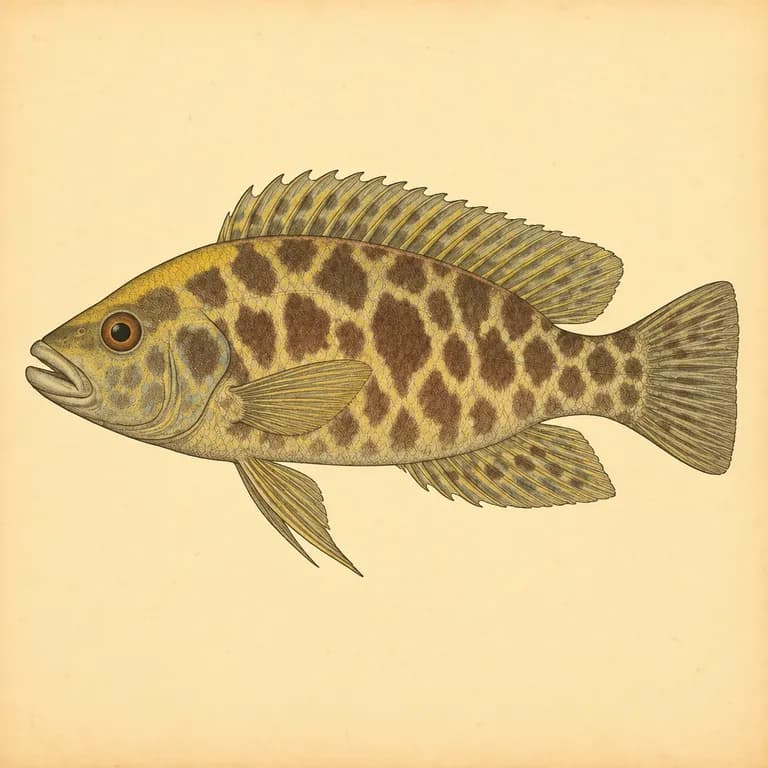
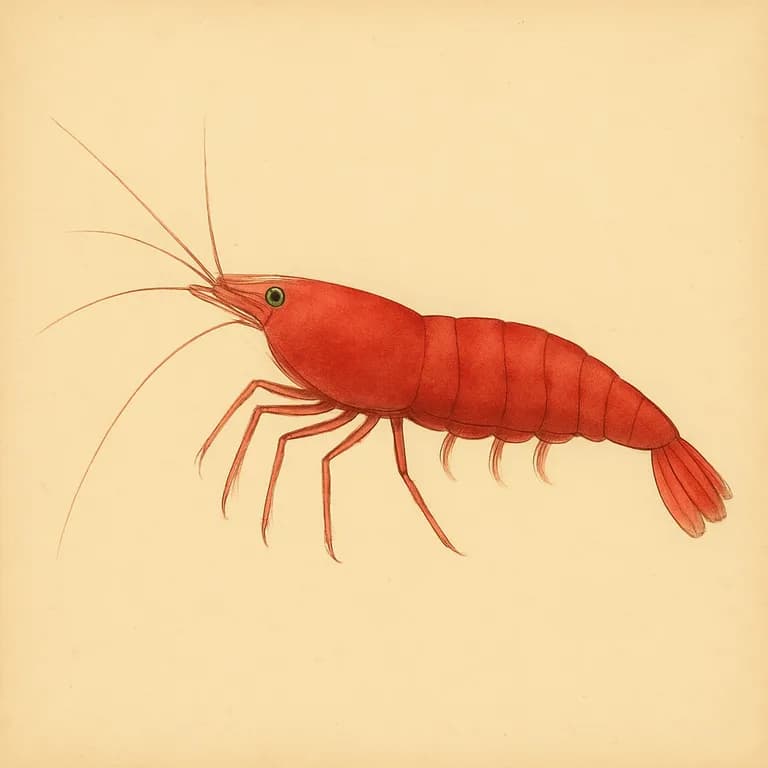
Besides a second male, paradise fish, tiger barbs and cherry shrimp do not belong with a betta either: paradise fish fight with him, tiger barbs nip his fins and the shrimp get eaten.
In a well-planted community tank of at least 60 litres a betta can live with calm species such as harlequin rasboras, ember tetras, kuhli loaches and corydoras. Watch him for the first few weeks, because some males attack everything.
Male or female, and breeding
Males have longer fins, brighter colours and a prominent beard, the membrane under the gill covers that they flare when displaying. Females are smaller and have a white spot behind the ventral fins, the ovipositor. In plakats, where males also have short fins, the ovipositor is the most useful feature.
Males often build a bubble nest at the surface, even without a female. When breeding, remove the female straight after spawning, because the male can injure her. After a successful spawning you soon have many young males that each need their own tank.
Feeding and common problems
A betta has a small stomach. Give a few pellets or a little frozen food at a time, and a fasting day once a week does no harm.
Ragged fins with dark edges indicate fin rot, usually the result of poor water quality. If the fins quickly get shorter without fraying, the fish may be biting its own tail, often because of stress.
Good to know
Best not combined with
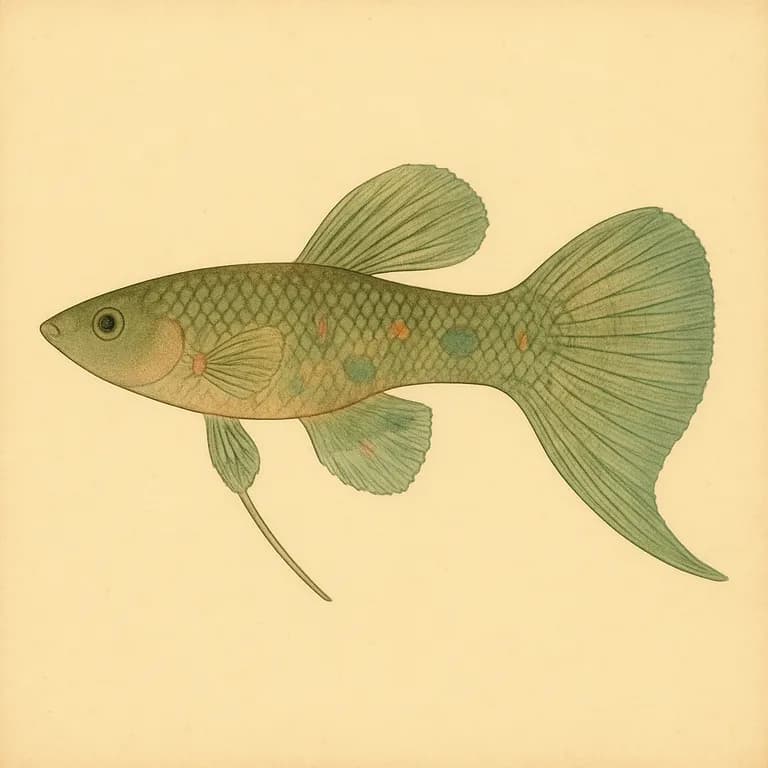 GuppyPoecilia reticulata
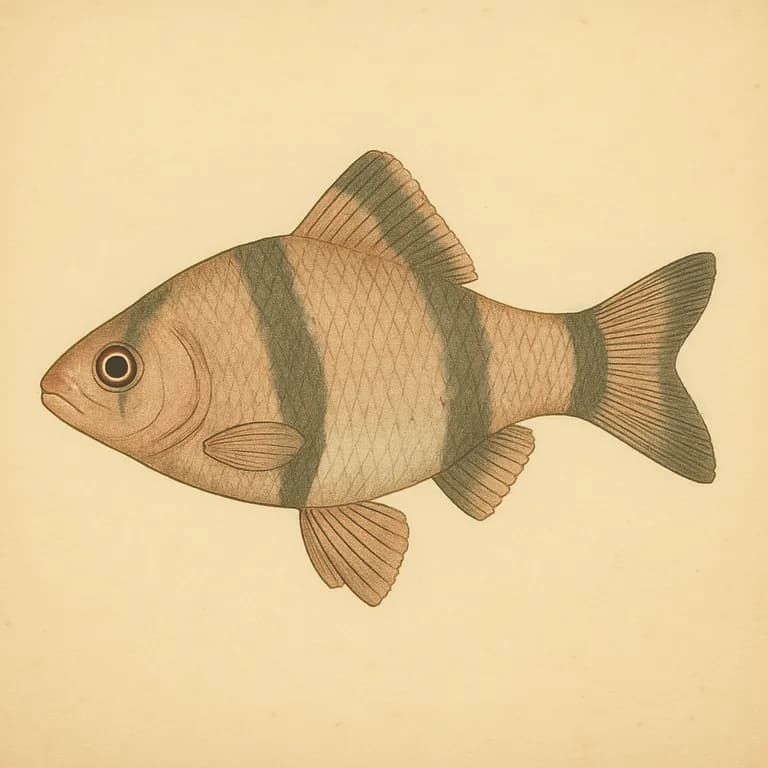 Tiger barbPuntigrus tetrazona
 Serpae tetraHyphessobrycon eques
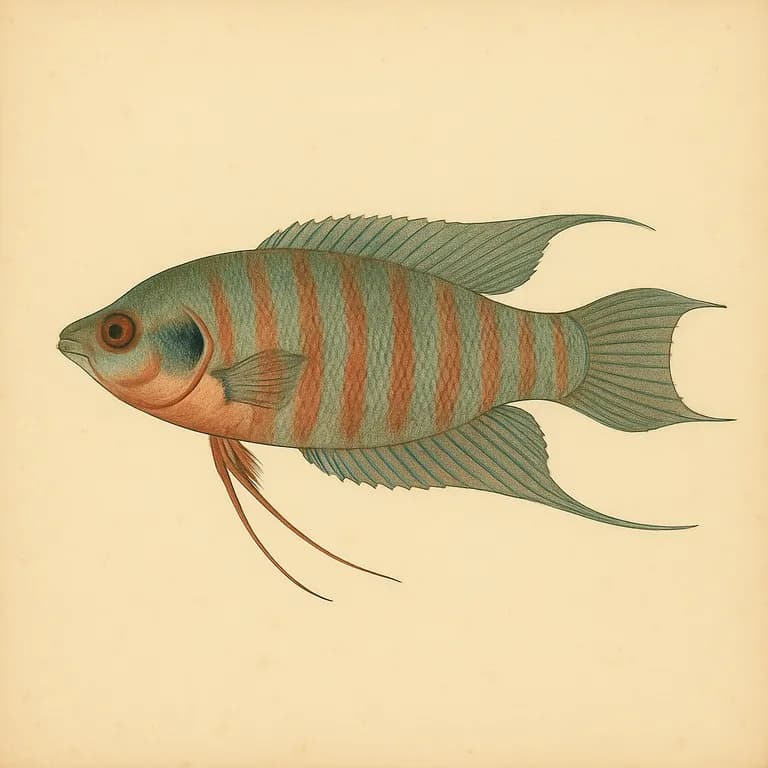 Paradise fishMacropodus opercularis
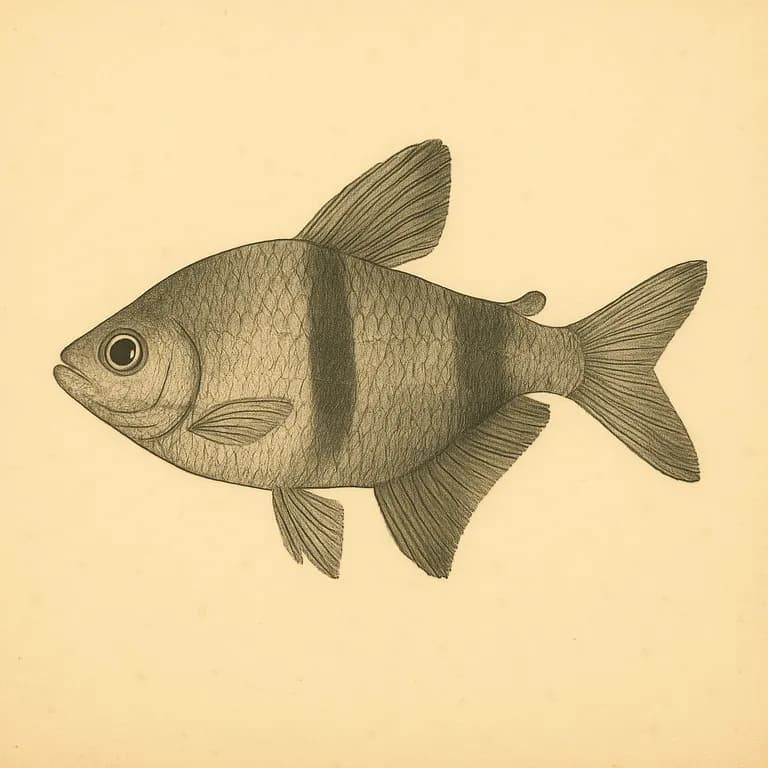 Black skirt tetraGymnocorymbus ternetzi
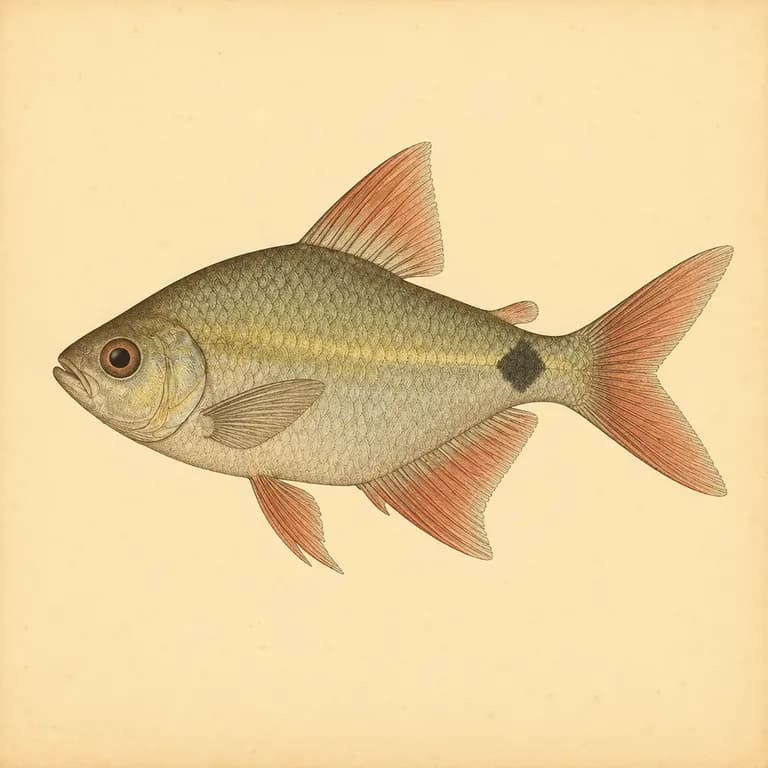 Buenos Aires tetraHyphessobrycon anisitsi
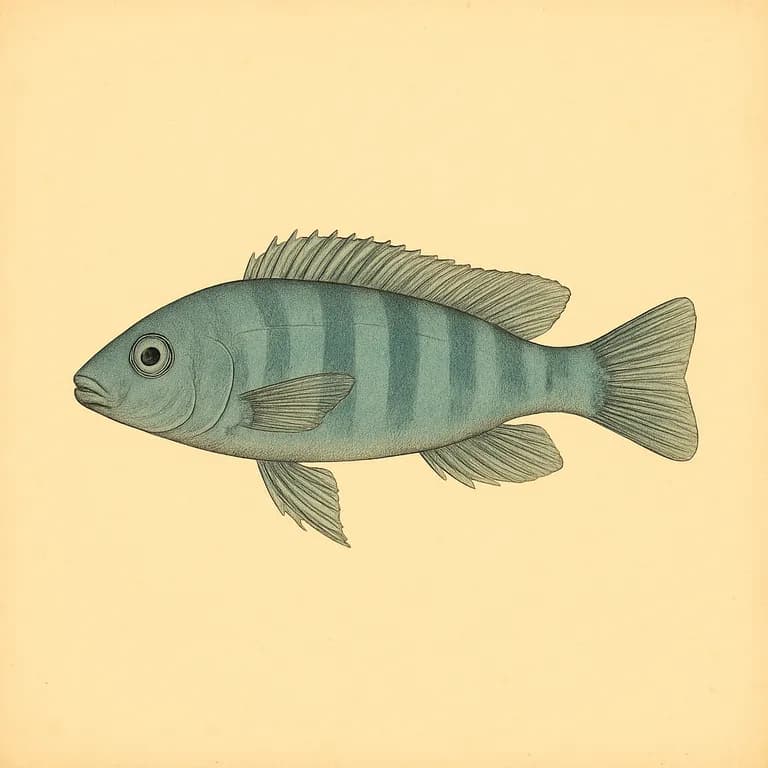 Saulosi mbunaChindongo saulosi
 Auratus cichlidMelanochromis auratus
 Kenyi cichlidMaylandia lombardoi
 Stuart Grant’s peacock cichlidAulonocara stuartgranti
 Sulphurhead peacockAulonocara maylandi
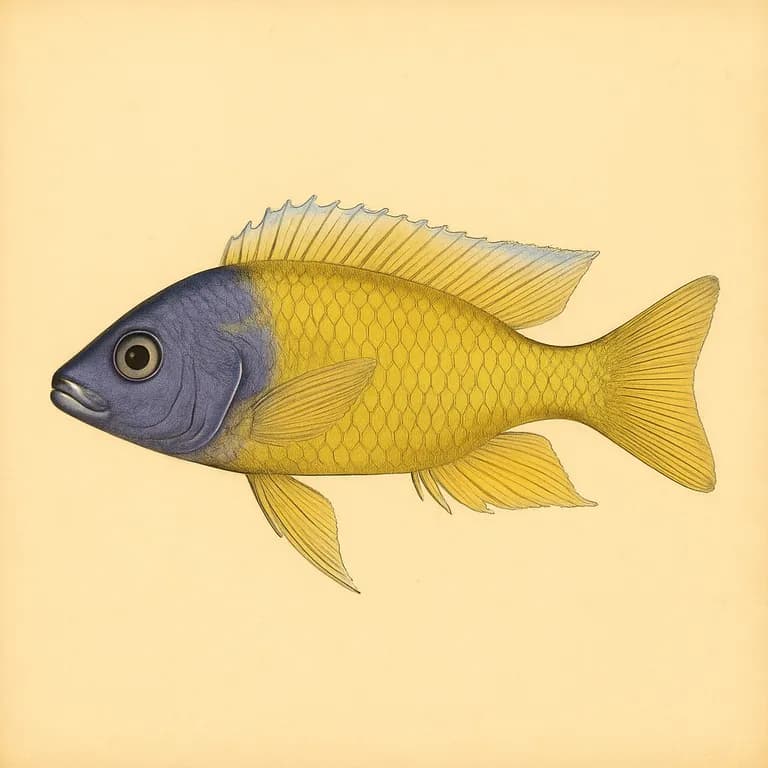 Benga peacock (sunshine)Aulonocara baenschi
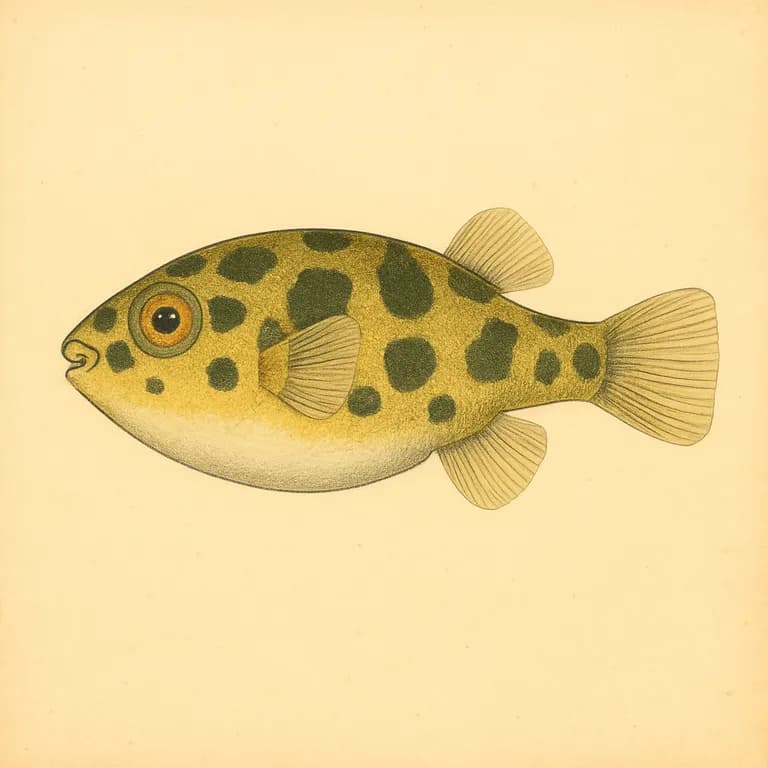 Pea pufferCarinotetraodon travancoricus
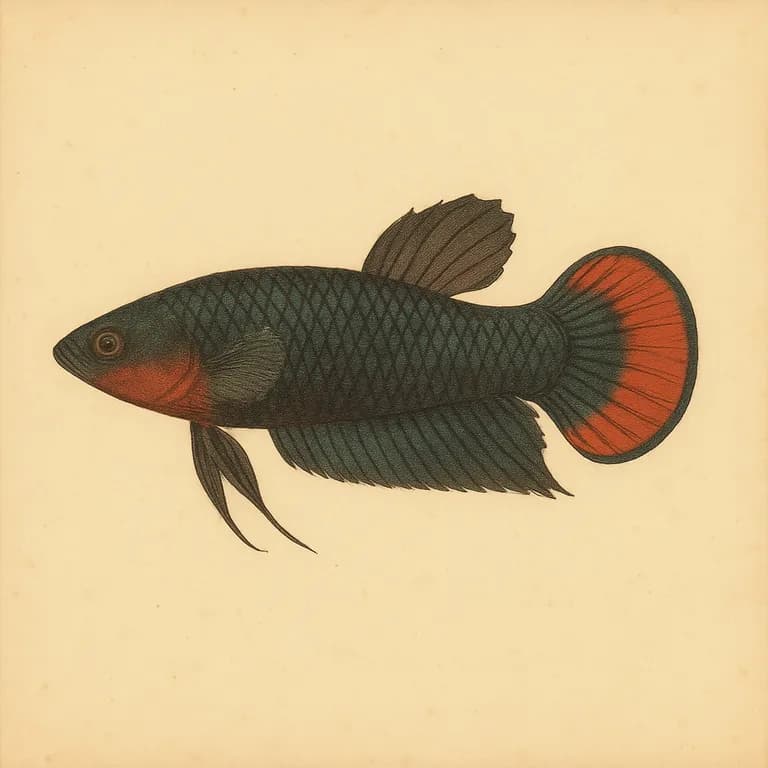 Peaceful bettaBetta imbellis
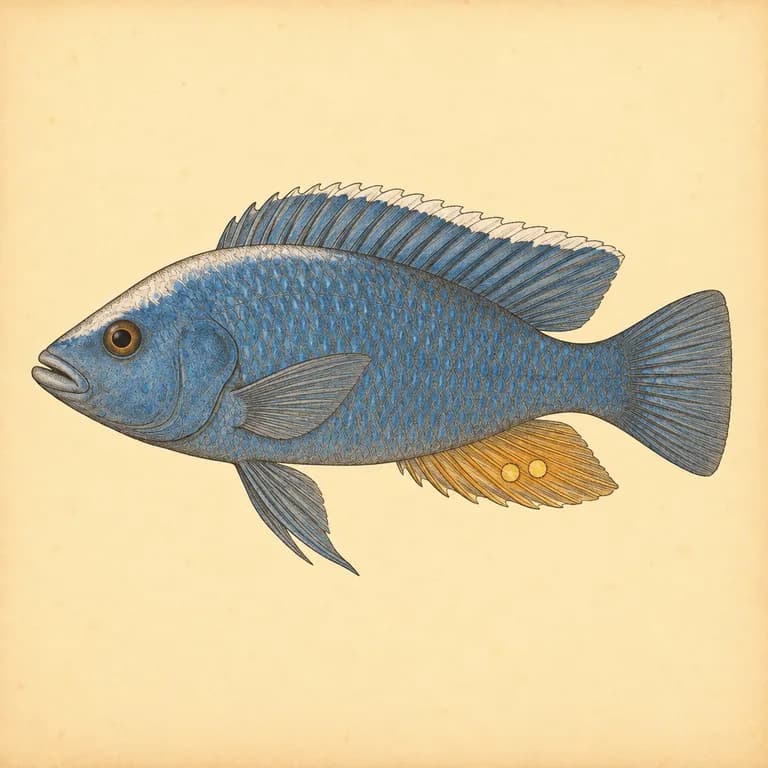 Electric blue hap (fryeri)Sciaenochromis fryeri
 Venustus (giraffe cichlid)Nimbochromis venustus
 Cherry shrimpNeocaridina davidi
Related species

Keep Betta in the BlubHub app
Add this species to your inhabitants, with count and photos, and see the care info next to your own water values, target bands and reminders. Free, no account, everything on your own device.
Values are mainstream hobbyist guidance, not gospel. Always watch what your own animals need.