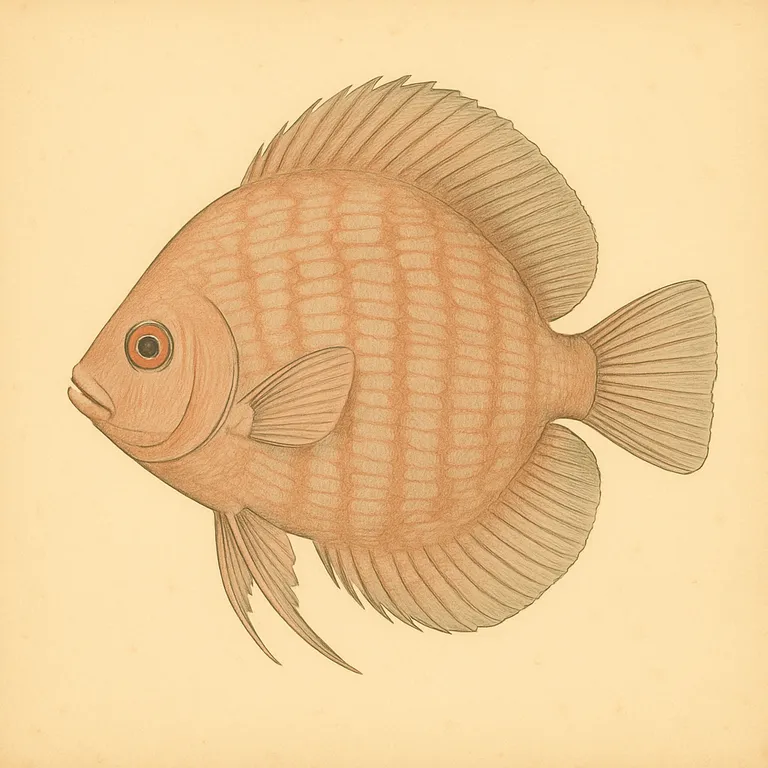
Discus (common)
Symphysodon aequifasciatus
FishFreshwater
- Care level
- Demanding
- Temperament
- Peaceful
- Recommended tank
- 300 L
- Maximum size
- 20 cm
- Temperature
- 27–31 °C
- pH
- 5.5–7
- Group size
- ≥ 5
- Diet
- Omnivore
Care at a glance
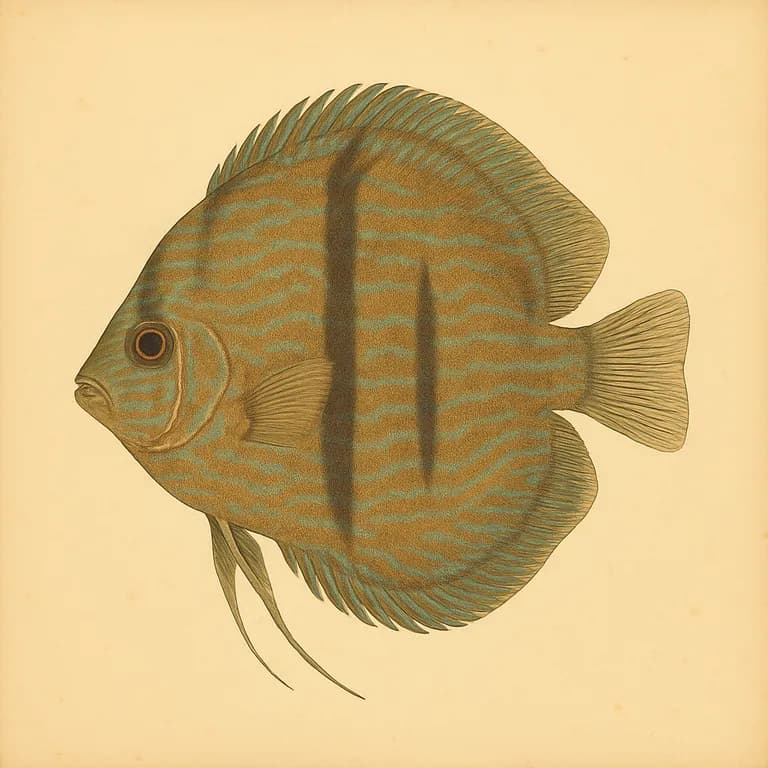
The discus is called the king of the Amazon aquarium for a reason: majestic, colourful and with a social group life you rarely see in other fish. But the crown has its price, because this is a species for keepers whose basics are in order.
Discus demand impeccable, warm, soft water, and that means discipline: generous, regular water changes and a tank that has been running stably for months. Keep them in a group and pick tankmates that tolerate the same heat. Those who put in the effort get the most beautiful community tank imaginable in return.
Origin and varieties
The wild discus, Symphysodon aequifasciatus, lives in the Amazon basin in calm side channels and flooded banks, among fallen trees and roots. The discus in the trade is generally a captive-bred form, ranging from solid red and yellow to turquoise and spotted. When buying, ask about the water parameters they were raised in, then let them get used to your own water gradually.
Buying a healthy discus
A healthy discus is round, has no sunken head or back, and its eyes are in proportion to its body. Large eyes in a small body often point to a fish that grew too little when young and will not catch up. Also check that they are eating. Dark-coloured fish that stay in a corner are not doing well, and white, stringy faeces can point to gut problems.
The aquarium and tankmates
Discus startle easily. Put the tank in a quiet spot, not next to a door or in a walkway, and give them cover with wood and tall plants that tolerate the warmth, such as Amazon swords and anubias.
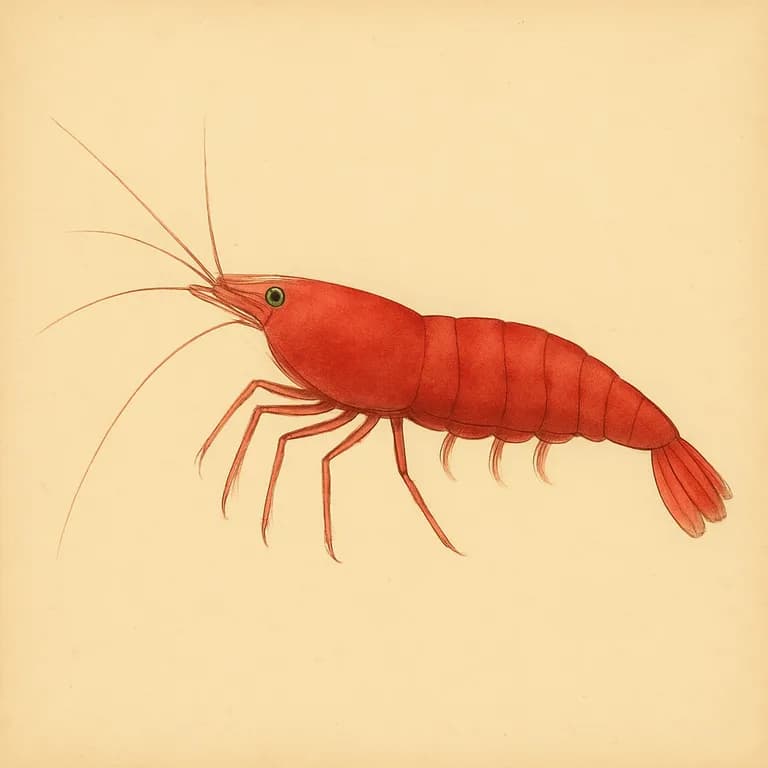
They are slow eaters. Fast, boisterous fish beat them to the food and make them nervous, so tiger barbs are a poor choice. Small shrimp get eaten. A school of cardinal tetras is a classic combination, provided you stay at the lower end of the discus temperature range.
Feeding
Discus mainly eat frozen food such as bloodworms, brine shrimp and mysis, supplemented with special discus granules. Many breeders also feed a homemade beef heart mix. This is controversial and pollutes the water considerably, so remove leftovers after feeding. Young fish grow best with several small portions a day.
Breeding
A pair lays its eggs on a vertical surface, such as a spawning cone, a leaf or a piece of wood, and both parents care for the clutch. At first the fry feed on a nutritious mucus layer on their parents' skin. The eggs generally need very soft water, and raising young in a community tank rarely succeeds. You can only reliably sex them during spawning, by the breeding tube, which is broader and blunter in the female.
Good to know
Best not combined with
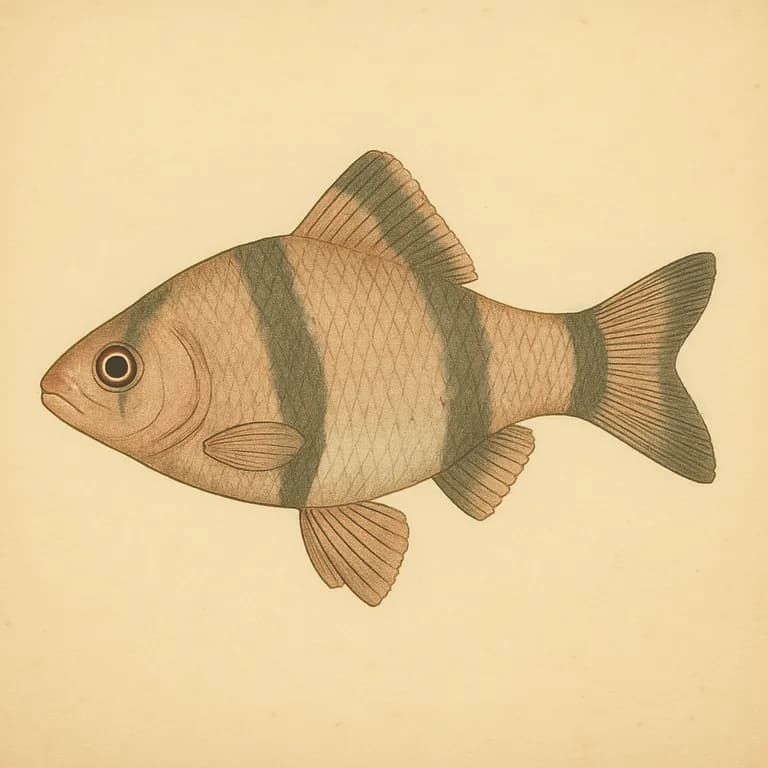 Tiger barbPuntigrus tetrazona
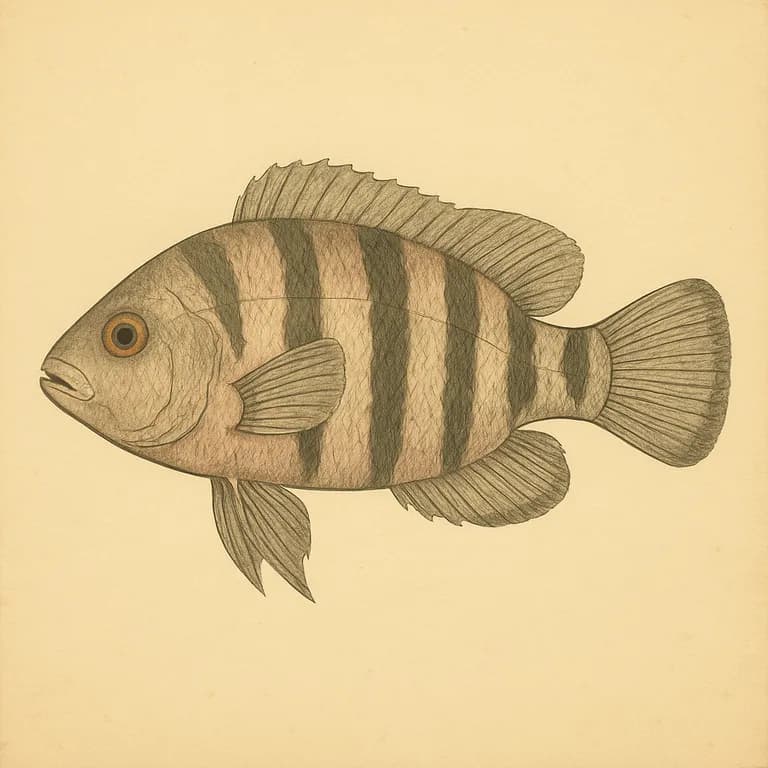 Convict cichlidAmatitlania nigrofasciata
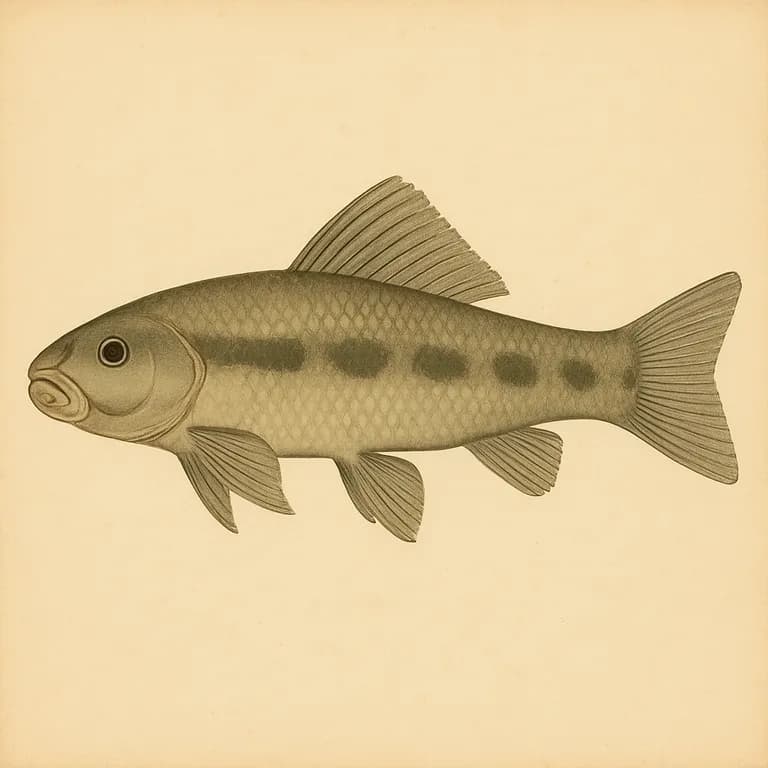 Chinese algae eaterGyrinocheilus aymonieri
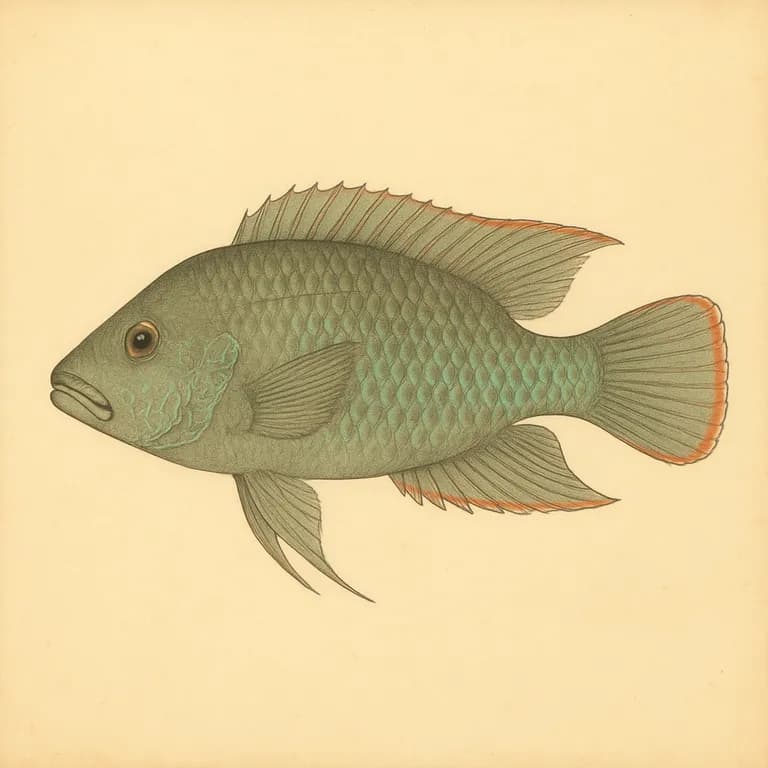 Green terrorAndinoacara rivulatus
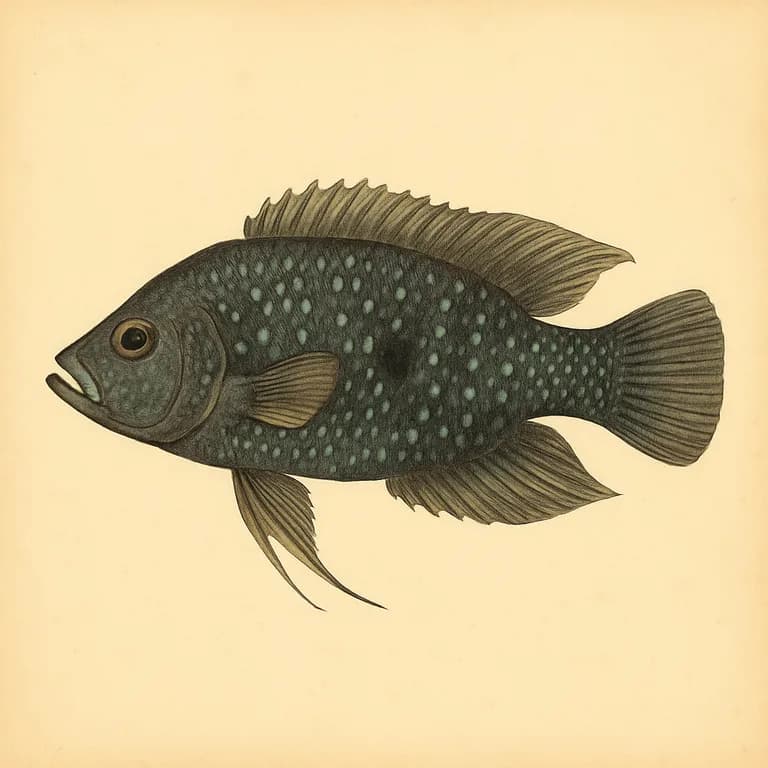 Jack Dempsey cichlidRocio octofasciata
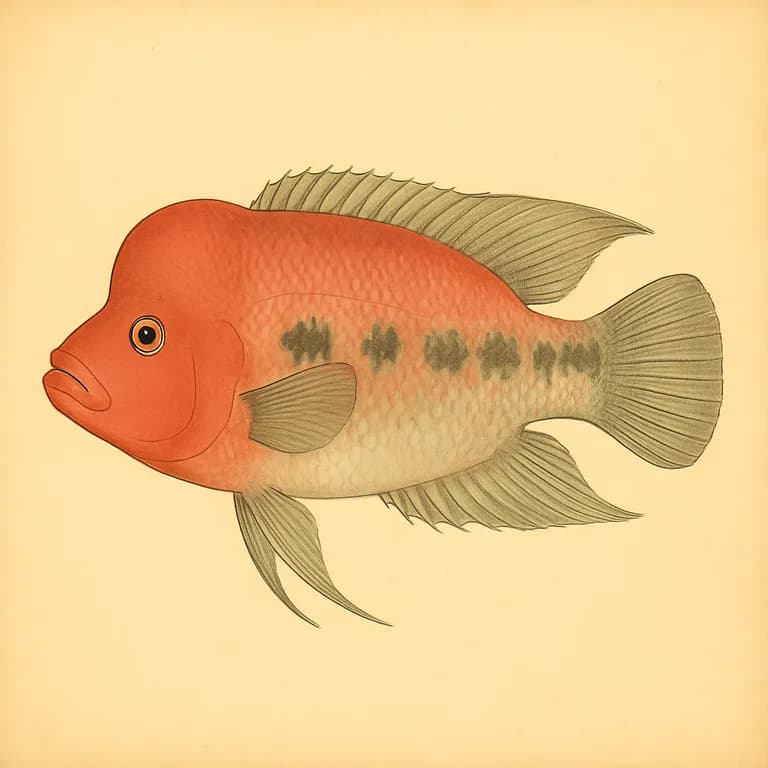 FlowerhornCichlasoma × hybride
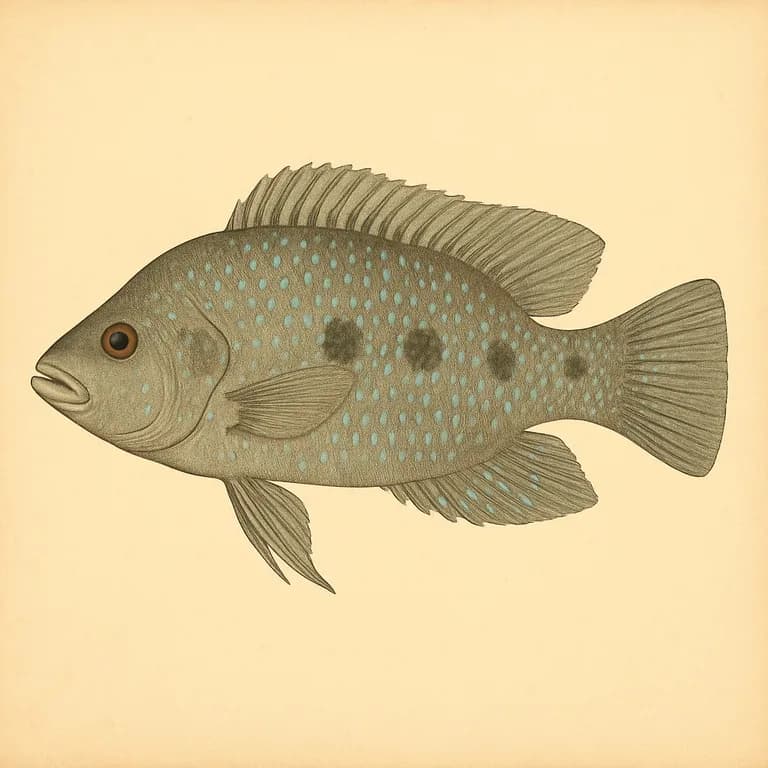 Texas cichlidHerichthys cyanoguttatus
 Midas cichlid (red devil)Amphilophus citrinellus
 Cherry shrimpNeocaridina davidi
Related species

Keep Discus (common) in the BlubHub app
Add this species to your inhabitants, with count and photos, and see the care info next to your own water values, target bands and reminders. Free, no account, everything on your own device.
Values are mainstream hobbyist guidance, not gospel. Always watch what your own animals need.