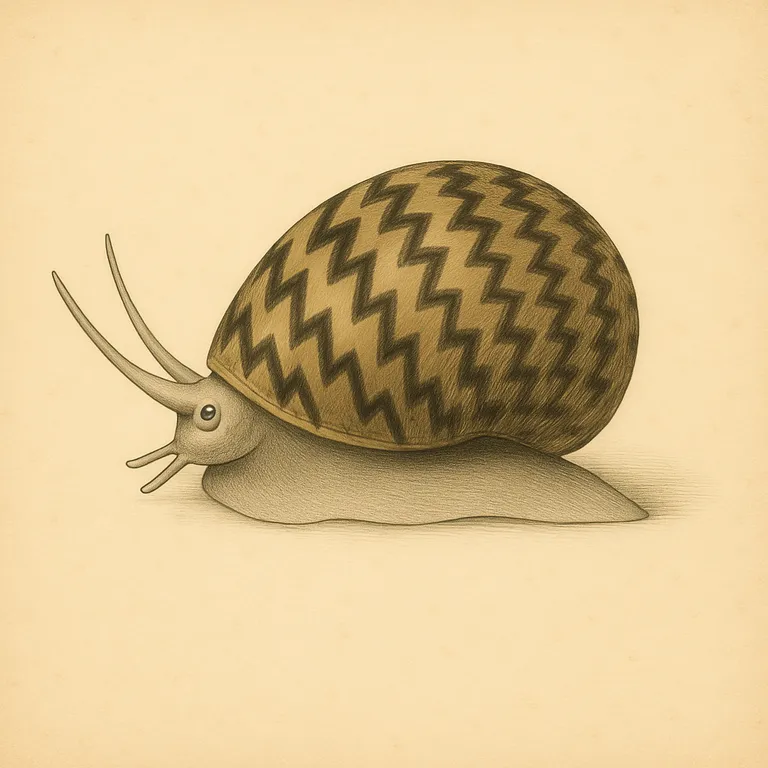
Nerite snail (zebra)
Neritina sp.
InvertebratesFreshwater
- Care level
- Easy
- Temperament
- Peaceful
- Recommended tank
- 20 L
- Maximum size
- 2.5 cm
- Temperature
- 20–28 °C
- pH
- 7–8.2
- Diet
- Herbivore
Care at a glance
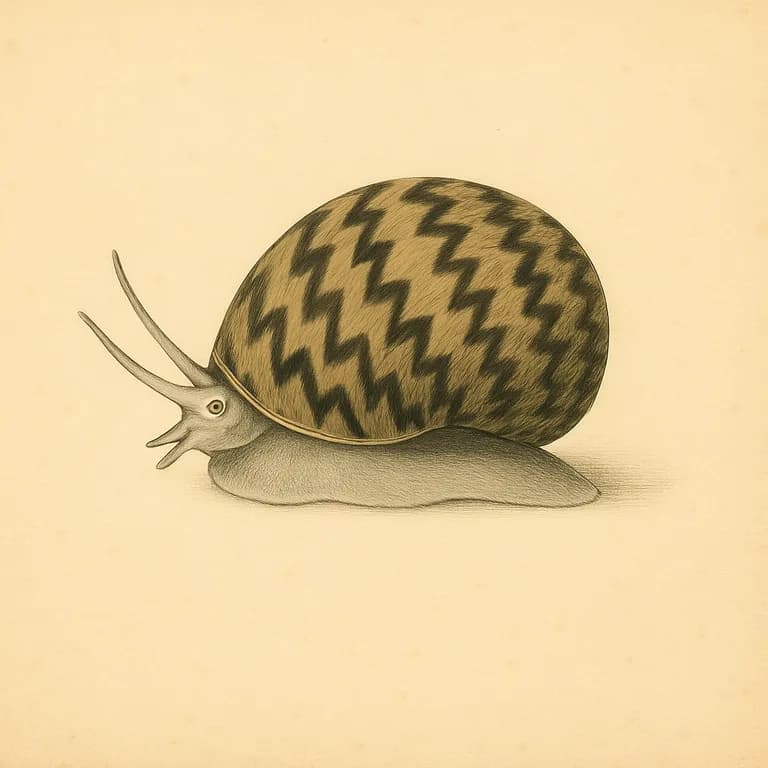
The nerite snail is the tidy cleaner of the freshwater tank: it scrapes the most stubborn film off glass, stone and hard-leaved plants without ever putting a hole in a leaf. The zebra pattern on its shell makes it an ornament rather than a necessary evil.
The best news is that it does not multiply: the larvae need brackish water, so you are spared a snail plague. It does glue white, grain-like eggs everywhere, which you have to scrub off by hand. Make sure there is enough calcium in the water, because its shell starts to erode in water that is too soft. Put it back whenever it climbs out of the tank.
Origin and species
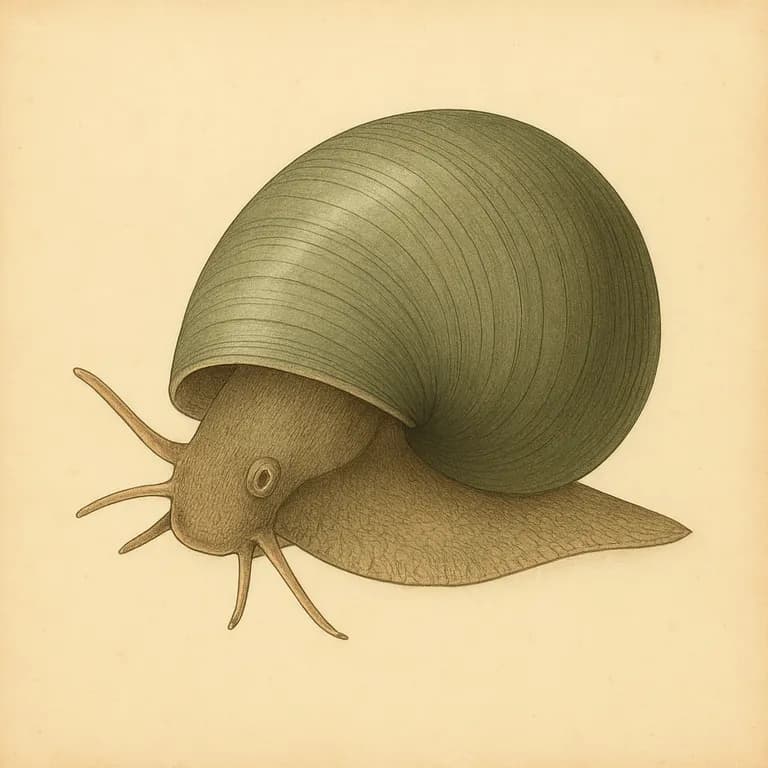
The zebra variety is usually sold as Neritina natalensis and comes from coastal rivers and estuaries in East Africa. Related species with a tiger-striped, spotted or plain olive-green shell are also sold as nerite snails. Their care is largely the same.
Buying and acclimatising
A healthy snail clings to glass or stone and quickly withdraws behind its operculum when touched, sealing the opening well. Pass over specimens that lie loose on the bottom, whose body hangs limply out of an open shell, or whose shell tip is full of deep pits.
Let new snails acclimatise slowly by gradually adding tank water to their transport water in a small container. Then place them in the tank on their foot, because a nerite snail that lands on its back cannot always turn itself over. Fish medications that contain copper are lethal to snails.
Feeding
A new or very clean aquarium often has too little growth on its surfaces, and a nerite snail then slowly starves. A snail that hardly moves anymore is a sign of this. Supplement with algae wafers or a piece of blanched courgette or spinach, and remove leftovers after a day.
Eggs and breeding
The white eggs end up mainly on hard surfaces: stones, driftwood, decorations and the edges of the glass, sometimes on tough leaves as well. On glass you can remove them with a blade or algae scraper; on wood and stone they are harder to get off and often stay visible for a long time. If that bothers you, keep a few snails rather than a large group.
In fresh water, as a rule, no young snails grow up from those eggs. Breeding requires a separate tank with brackish or salt water for the larvae and very fine food, and rarely succeeds in a home aquarium.
Tankmates
Nerite snails leave their tankmates alone and go well with shrimp and small, peaceful fish. Avoid botias and other snail-eating loaches, pufferfish, crayfish, large Macrobrachium prawns and the assassin snail: they see a nerite snail as food.
Best not combined with
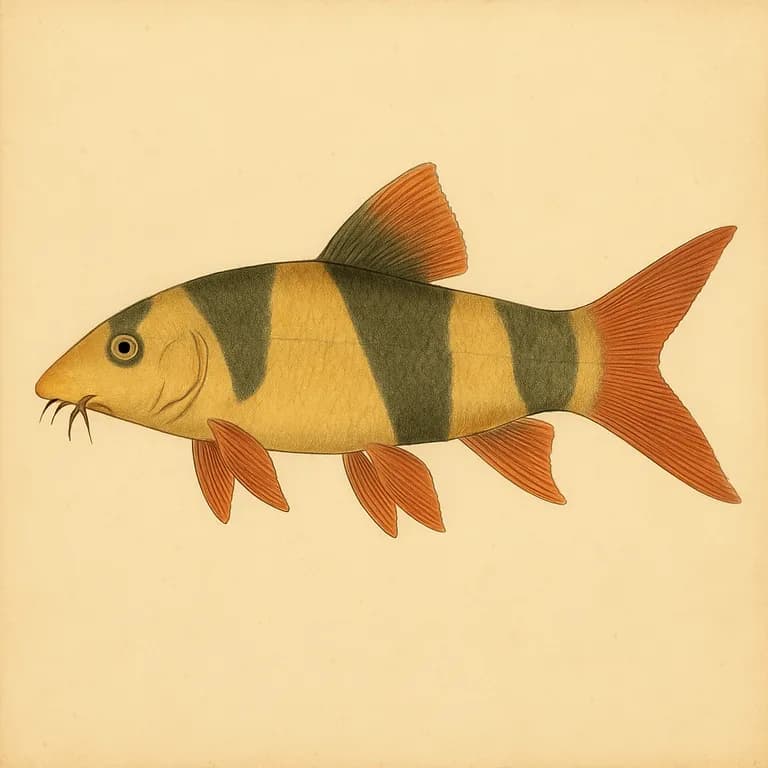 Clown loachChromobotia macracanthus
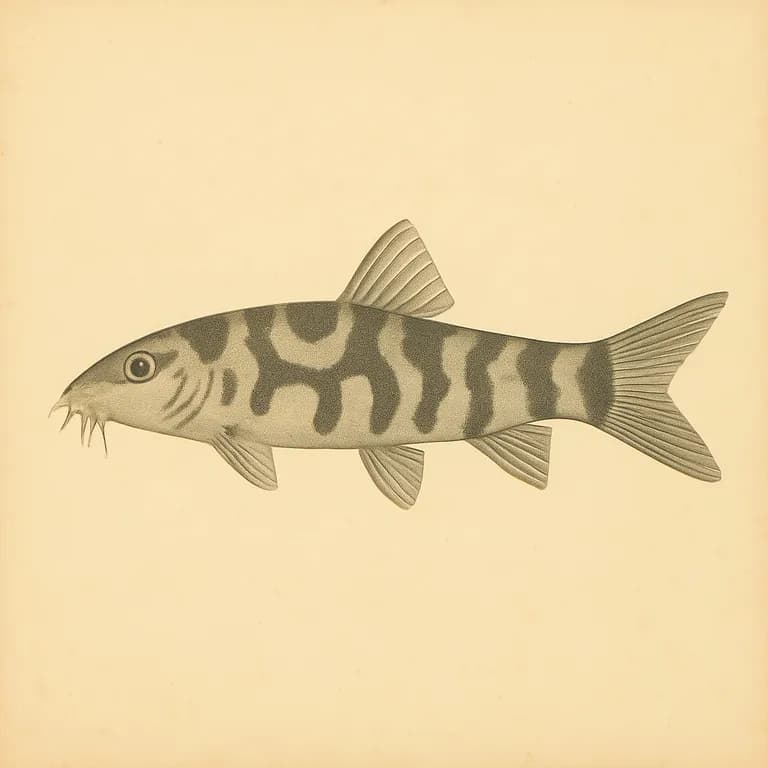 Yoyo loachBotia almorhae
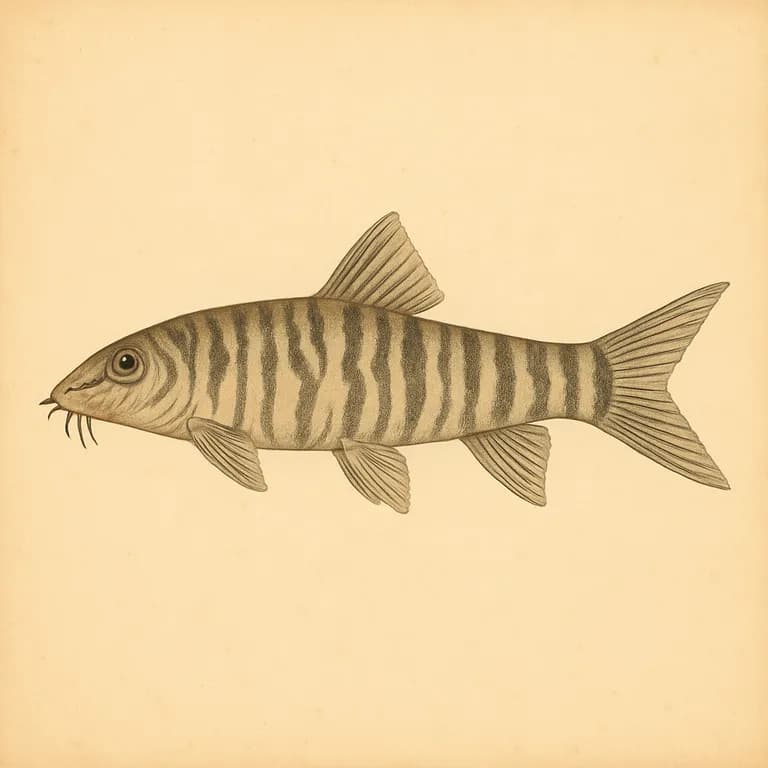 Zebra loachBotia striata
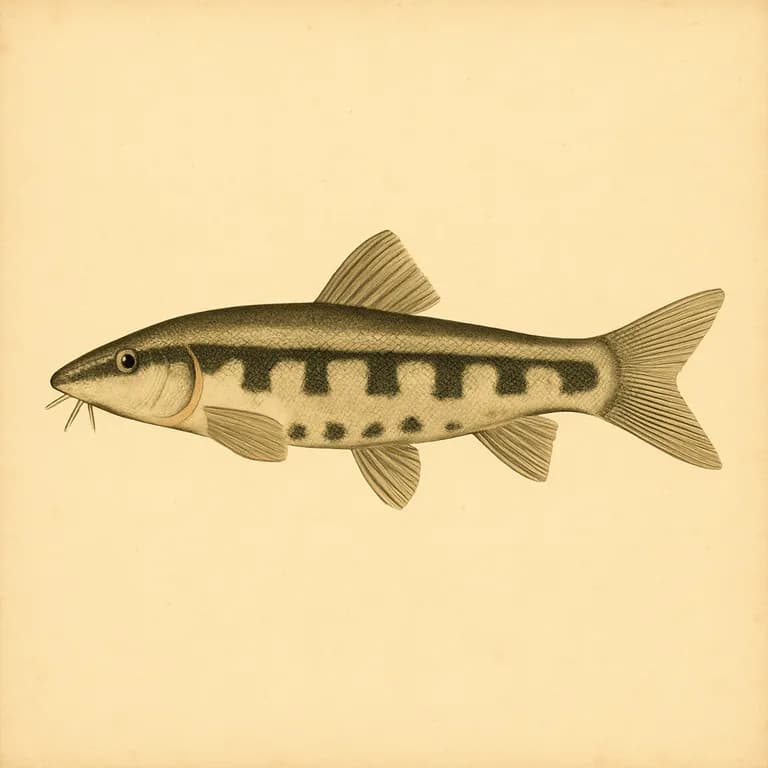 Dwarf chain loachAmbastaia sidthimunki
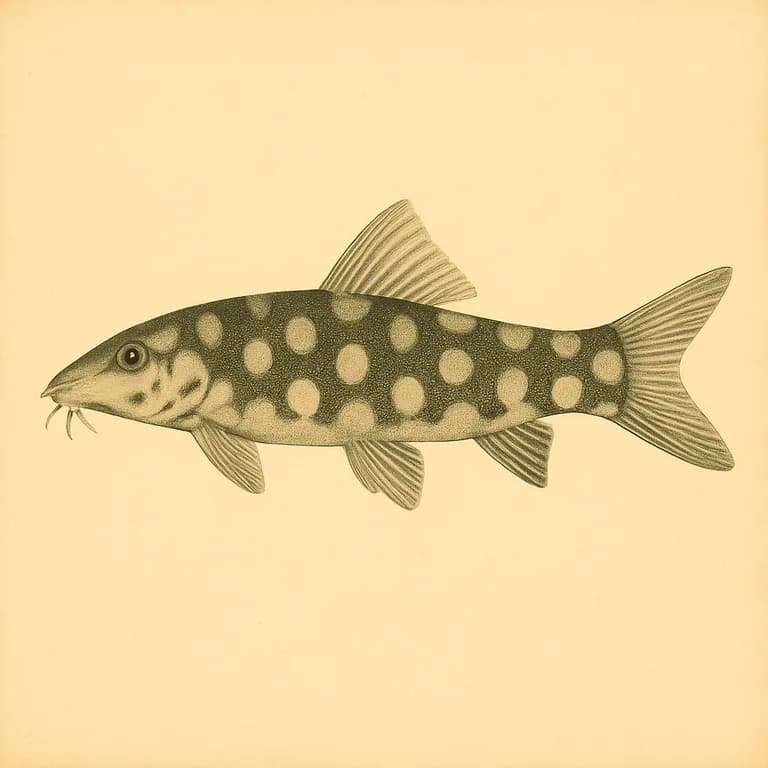 Angelicus loach (polka-dot loach)Botia kubotai
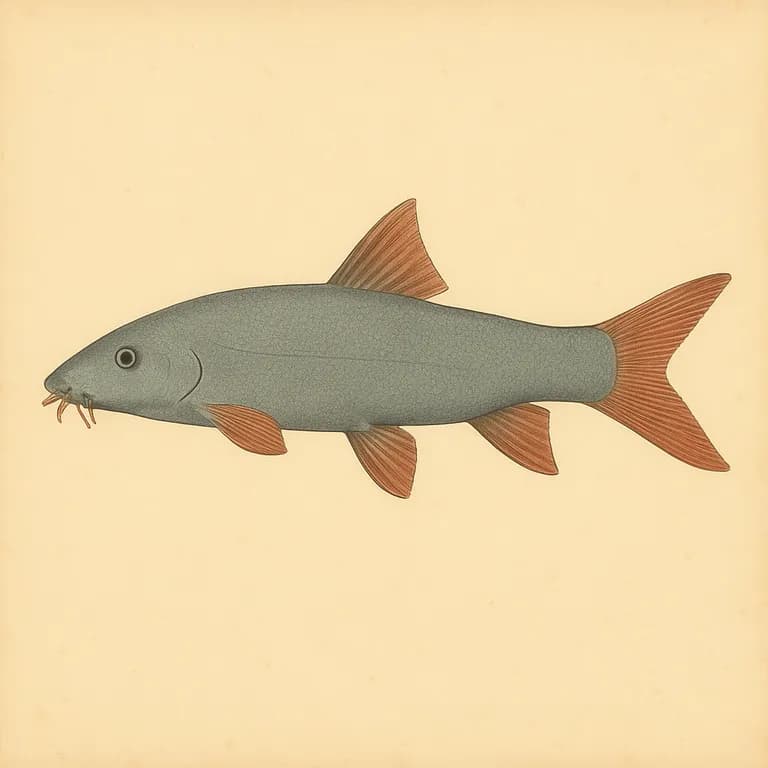 Blue botiaYasuhikotakia modesta
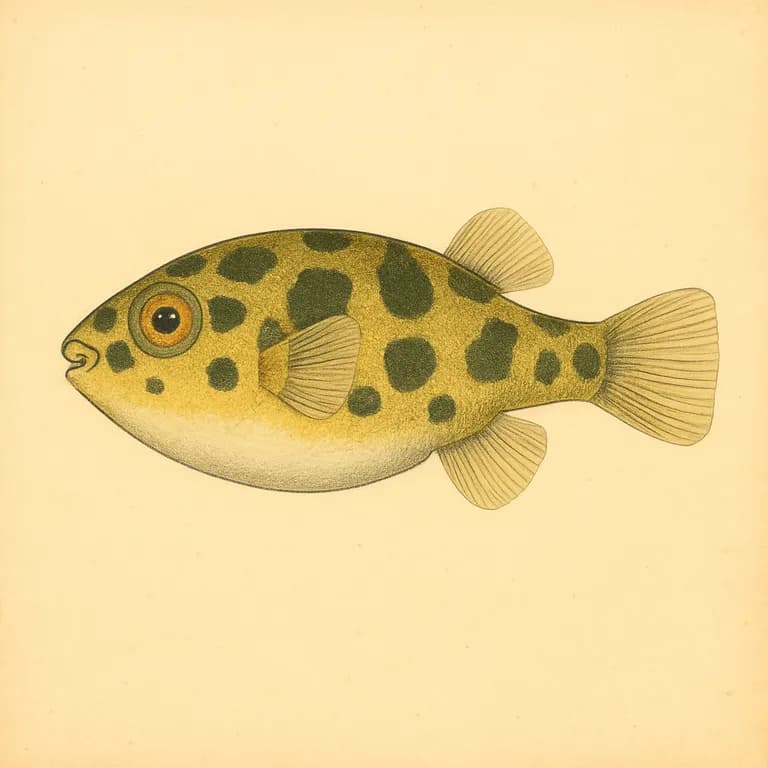 Pea pufferCarinotetraodon travancoricus
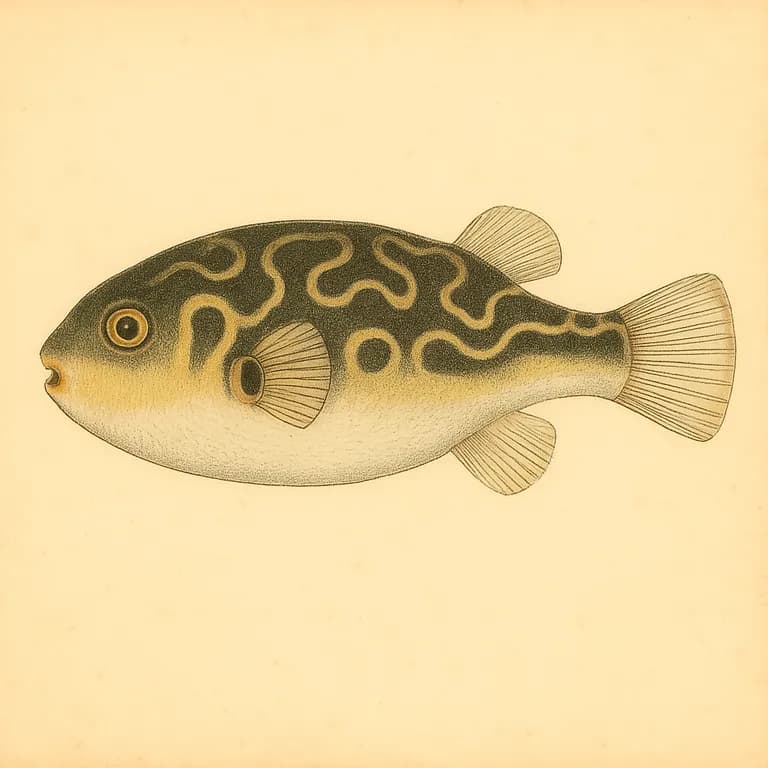 Figure eight pufferDichotomyctere ocellatus
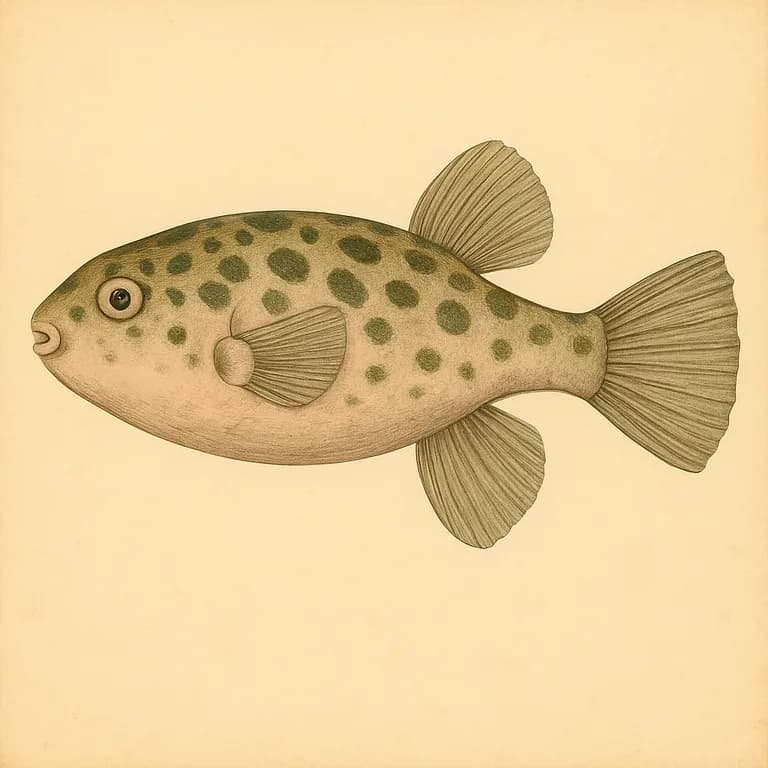 Green spotted pufferDichotomyctere nigroviridis
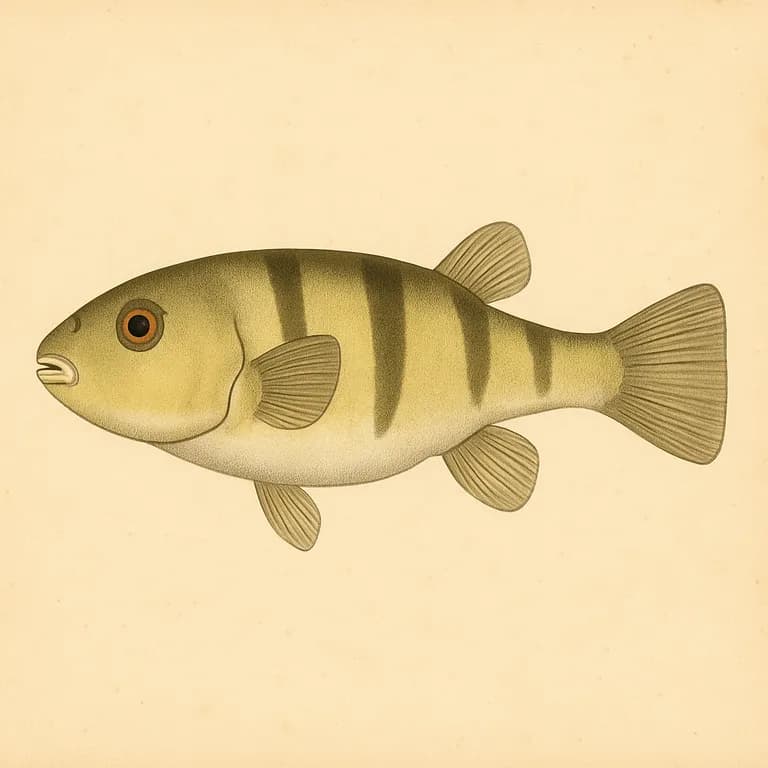 Amazon pufferColomesus asellus
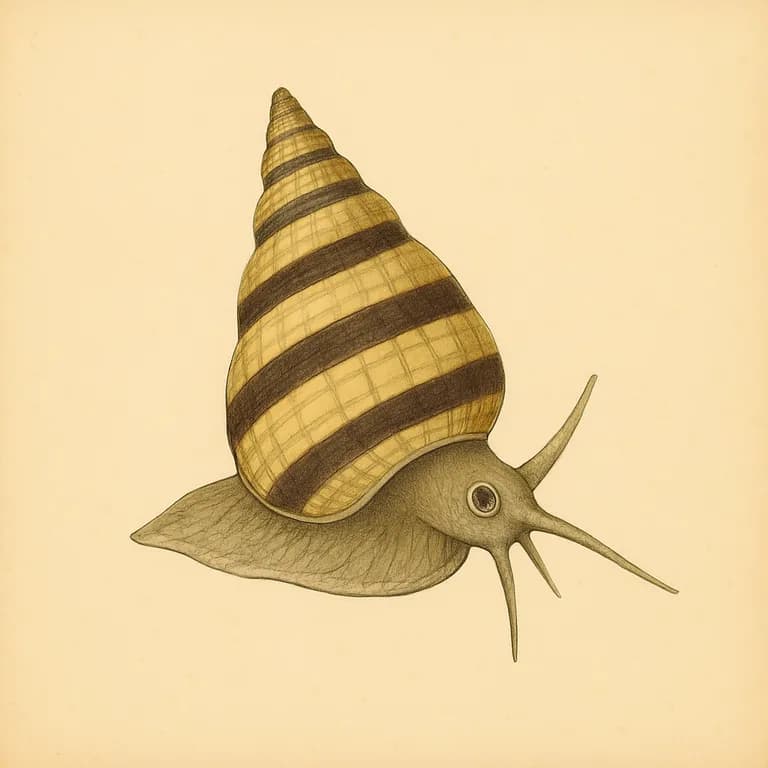 Assassin snailAnentome helena
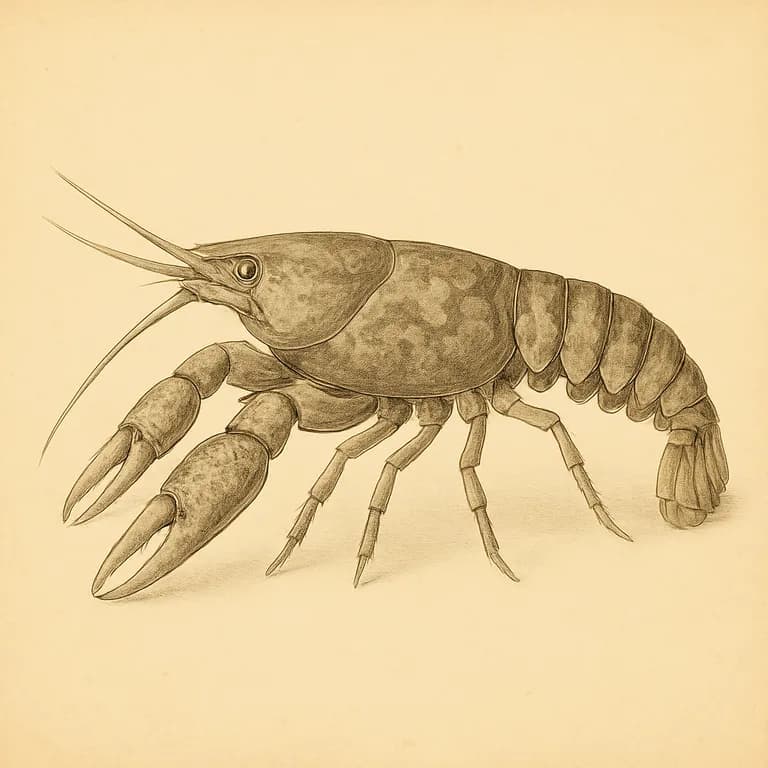 Marbled crayfishProcambarus virginalis
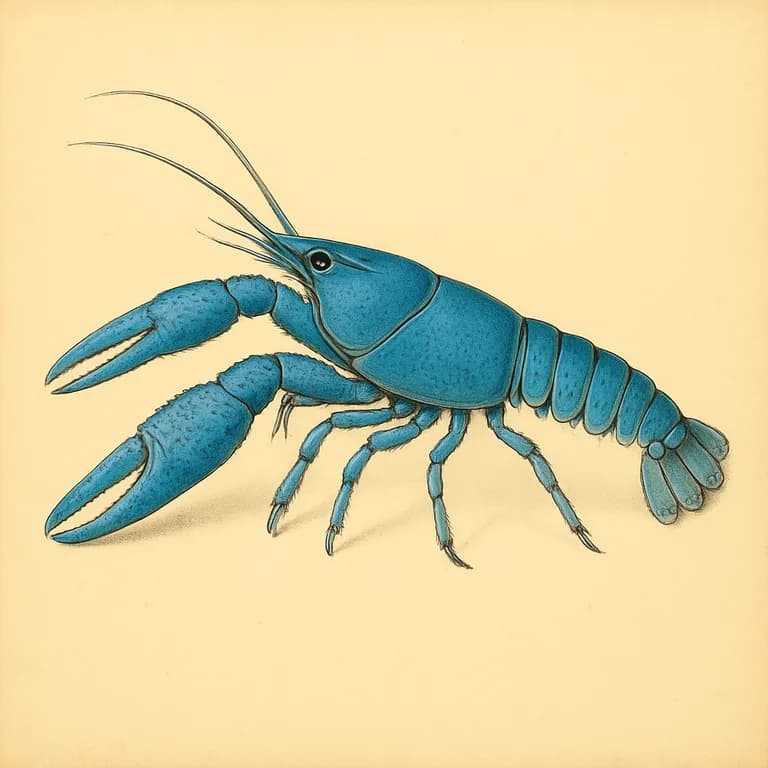 Electric blue crayfishProcambarus alleni
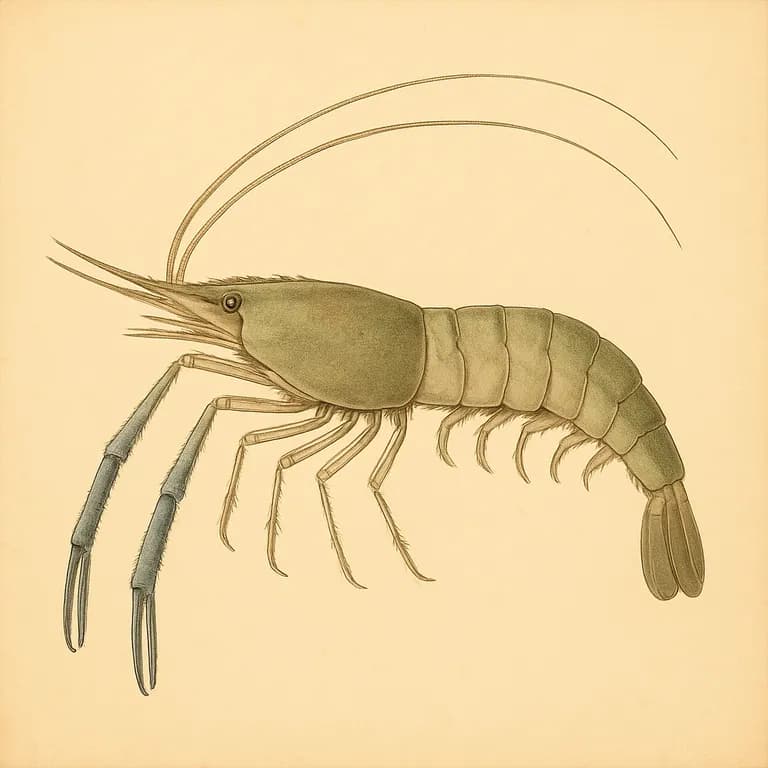 Giant freshwater shrimpMacrobrachium rosenbergii
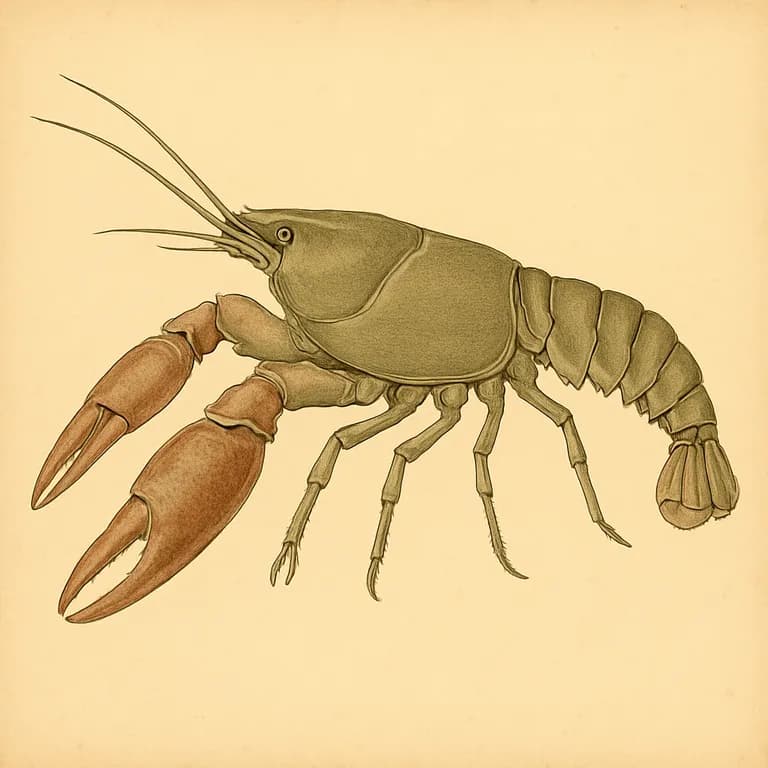 Redclaw crayfishCherax quadricarinatus
Related species

Keep Nerite snail (zebra) in the BlubHub app
Add this species to your inhabitants, with count and photos, and see the care info next to your own water values, target bands and reminders. Free, no account, everything on your own device.
Values are mainstream hobbyist guidance, not gospel. Always watch what your own animals need.