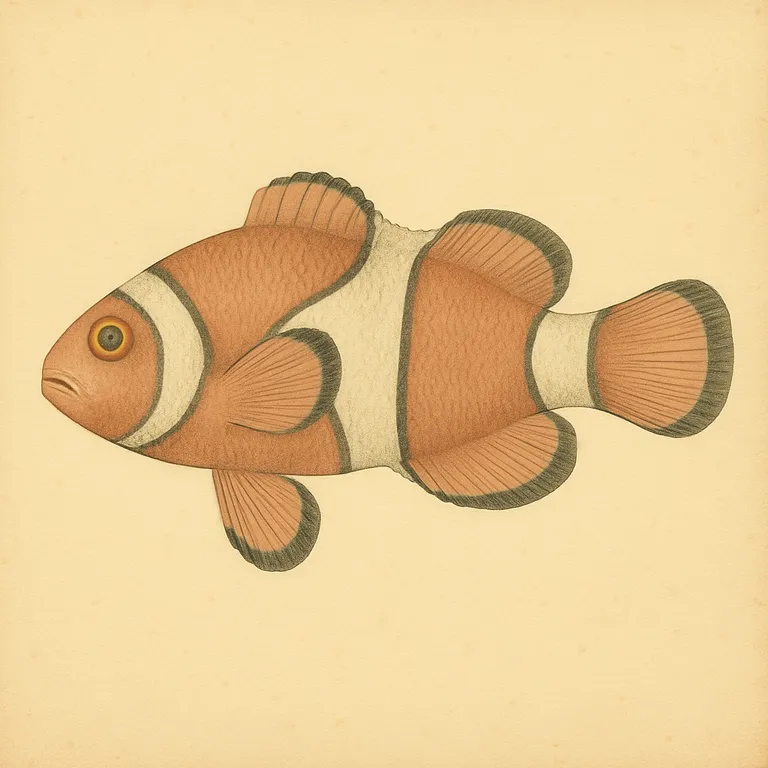
Ocellaris clownfish
Amphiprion ocellaris
FishSaltwater
- Care level
- Easy
- Temperament
- Peaceful
- Reef safe
- Yes
- Recommended tank
- 100 L
- Maximum size
- 9 cm
- Temperature
- 24–27 °C
- pH
- 8–8.4
- Diet
- Omnivore
Care at a glance
The ocellaris clownfish, world-famous as Nemo, is many people's first marine fish, and rightly so: virtually all animals in the trade are captive-bred, hardy and quick to settle. An anemone is fun but genuinely optional; captive-bred fish often adopt corals or a rock crevice as home instead.
Keep them as a pair: clownfish are all born male, and the dominant animal turns female. Two juveniles will sort that out between themselves. They are home-loving, reef-safe fish that need little swimming space, which makes them ideal for a more compact reef tank.
Origin and colour morphs
In the wild, Amphiprion ocellaris lives in the eastern Indian Ocean and the western Pacific, inside a few large anemone species that are difficult to keep in a home aquarium. It looks almost identical to the percula clownfish, but has thin or no black edges along its white bands and usually eleven hard spines in its dorsal fin, compared with ten in the percula.
Colour morphs such as the black ocellaris and the snowflake with its irregular white bands are the same species and need the same care.
Behaviour and tankmates
The female is always the larger fish of the pair. If the smaller one trembles and shakes near her, that is submissive behaviour and not a sign of illness. A third clownfish added to an established pair is usually chased constantly.
Once the pair has a fixed spot, the female defends it fiercely and will also nip at your hand during maintenance. Towards other fish they are otherwise peaceful. Do not combine them with other clownfish species, such as the maroon clownfish, or with predators that eat small fish.
Feeding and health
Clownfish are easy to feed. Feed a small portion of pellets or flakes once or twice a day, alternated with frozen food such as mysis and brine shrimp.
When buying, choose a fish that swims actively, responds to food straight away and has clear fins without white spots or ragged edges. Rapid breathing and clamped fins are warning signs, as is a fish that still eats nothing after a few days. Even this hardy species should only go into a fully cycled aquarium.
Breeding
The ocellaris clownfish is one of the few marine fish you can breed at home. A settled pair lays orange eggs on a flat rock or tile near its fixed spot, after which mainly the male guards them and fans fresh water over them. The larvae usually hatch after seven to ten days, shortly after the lights go out.
In the display tank they are almost always eaten. Raising them takes a separate tank and your own cultures of rotifers and brine shrimp.
Best not combined with
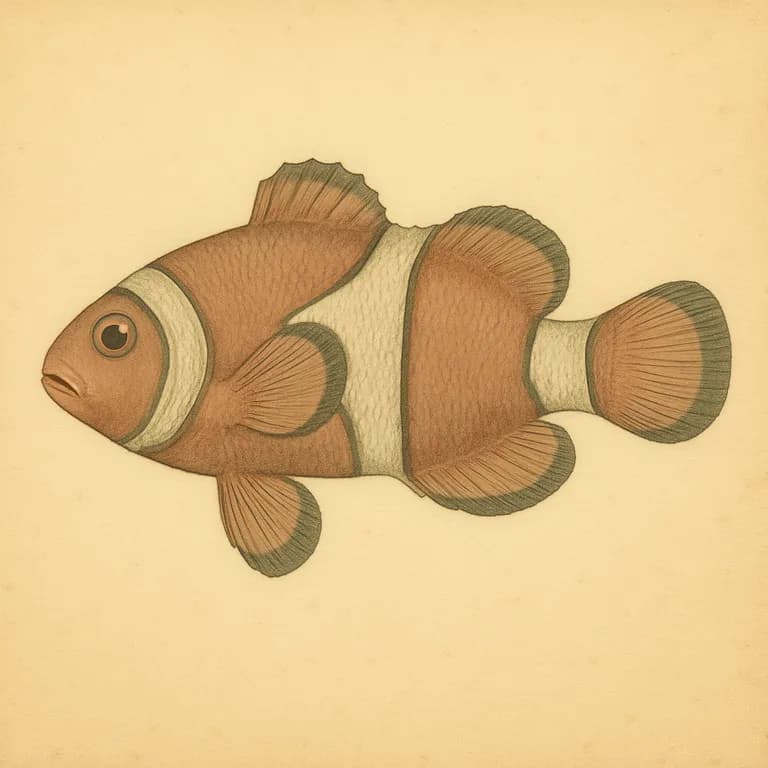 Maroon clownfishPremnas biaculeatus
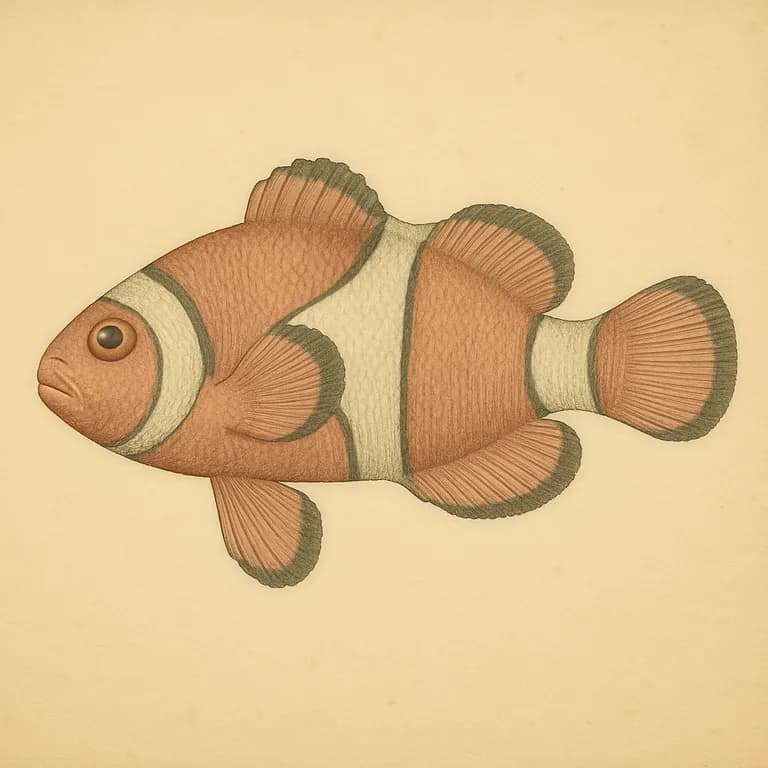 Clarkii clownfishAmphiprion clarkii
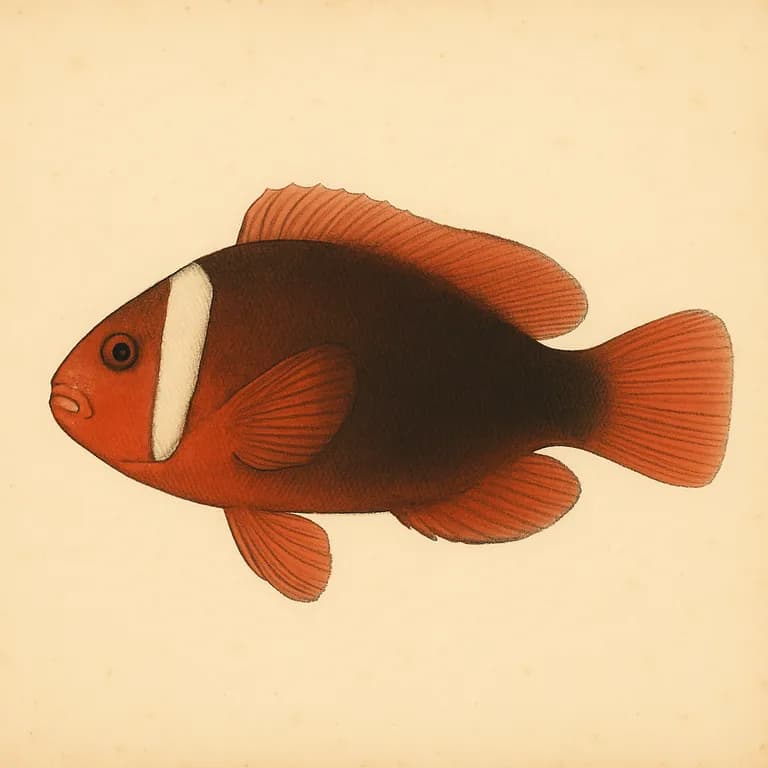 Tomato clownfishAmphiprion frenatus
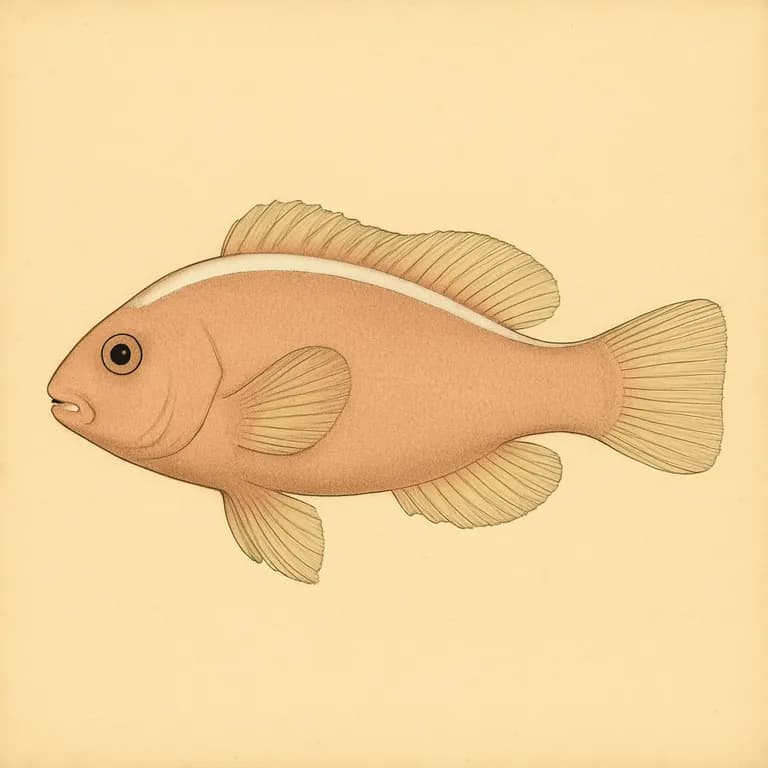 Skunk clownfishAmphiprion akallopisos
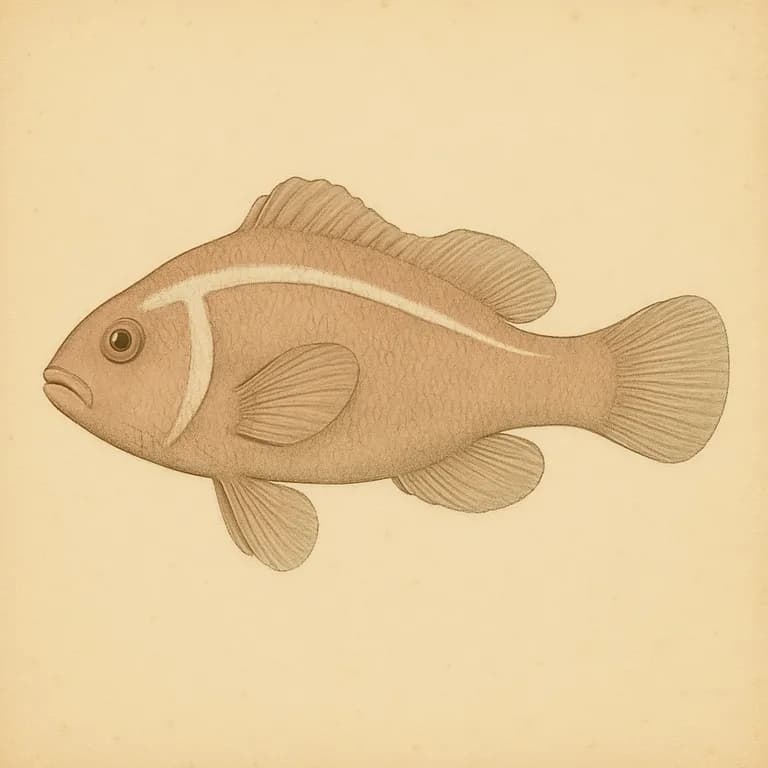 Pink skunk clownfishAmphiprion perideraion
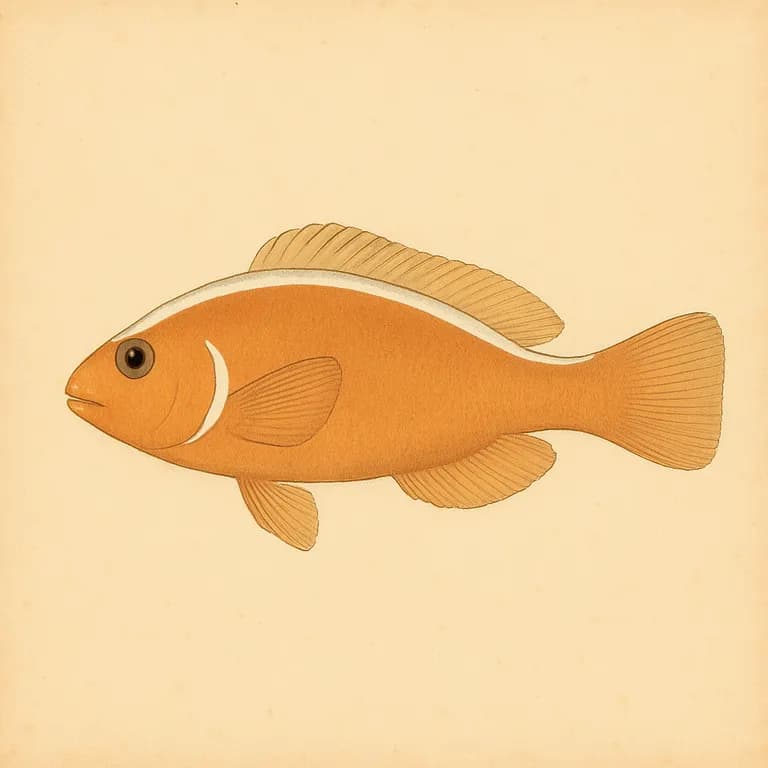 Orange skunk clownfishAmphiprion sandaracinos
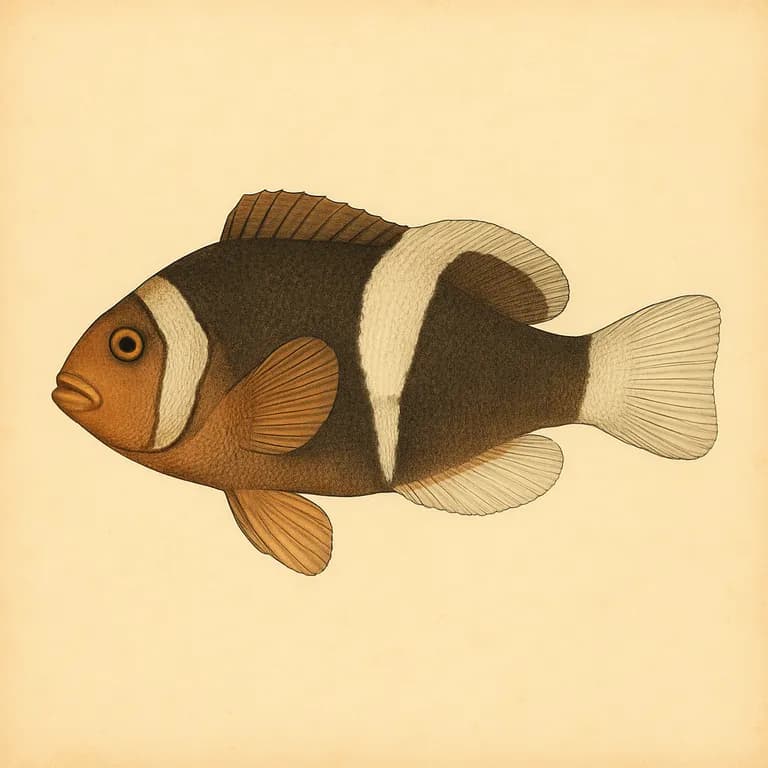 Saddleback clownfishAmphiprion polymnus
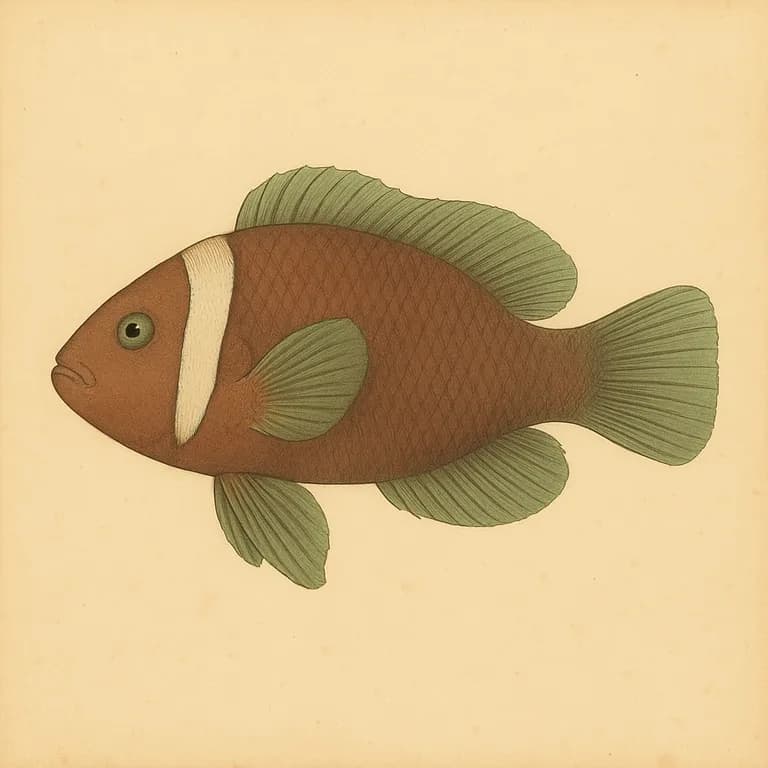 Cinnamon clownfishAmphiprion melanopus
Related species

Keep Ocellaris clownfish in the BlubHub app
Add this species to your inhabitants, with count and photos, and see the care info next to your own water values, target bands and reminders. Free, no account, everything on your own device.
Values are mainstream hobbyist guidance, not gospel. Always watch what your own animals need.