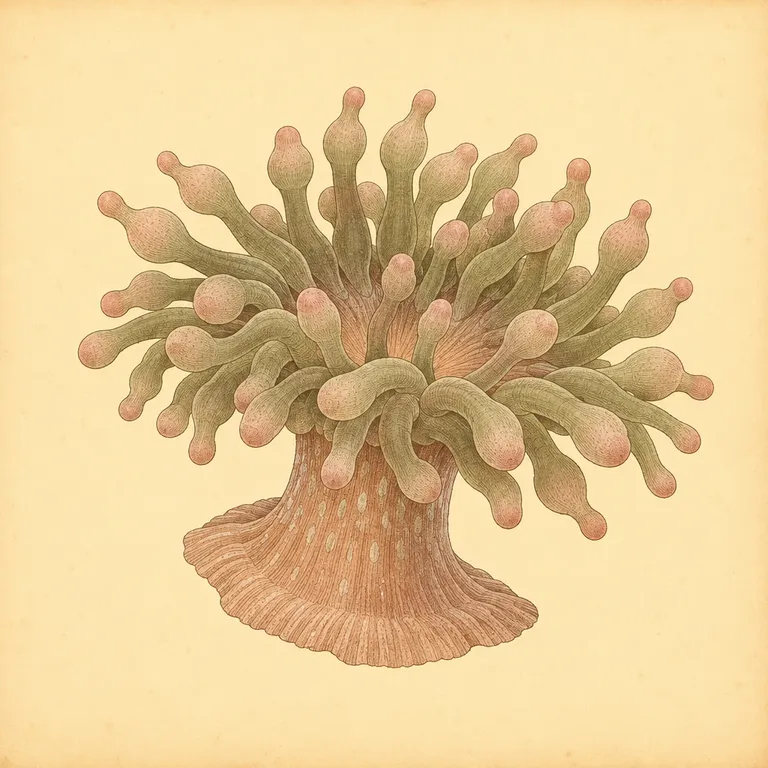
Bubble tip anemone
Entacmaea quadricolor
AnemonesSaltwater
- Care level
- Moderate
- Recommended tank
- 120 L
- Maximum size
- 30 cm
- Temperature
- 24–27 °C
- pH
- 8–8.4
- Light
- High
- Flow
- Medium
- Diet
- Photosynthetic
Care at a glance
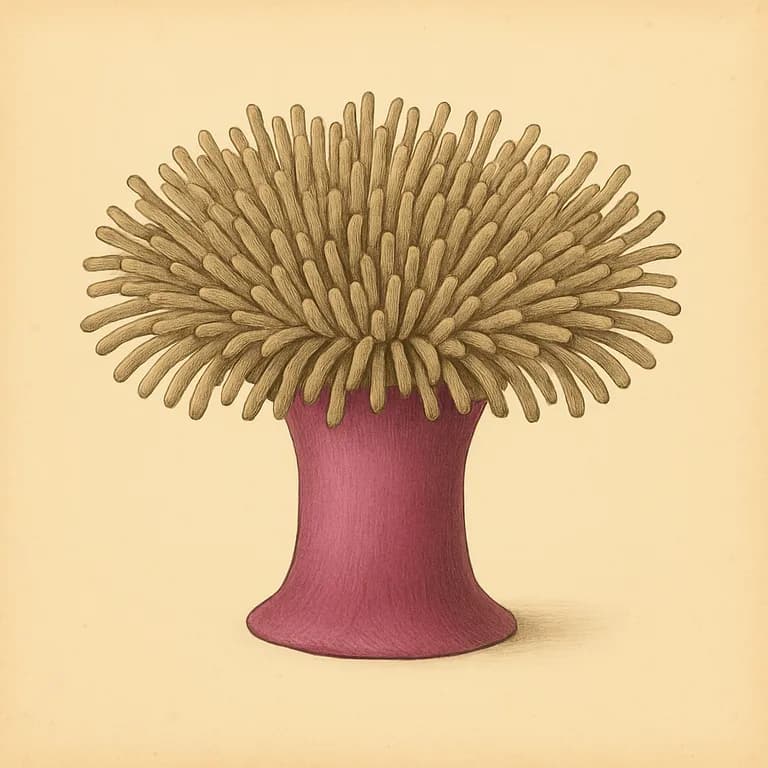
The bubble tip anemone is the one anemone you can safely recommend to a newcomer to reefkeeping, and it is also the species clownfish most often move into. The bulbous tentacle tips it is named for come and go; if they disappear, that usually signals a change in light, flow or water parameters.
The key thing to know is that it walks. An anemone picks its own spot and will stroll straight across your corals, leaving serious burns behind. So plan space around it and screen off pump intakes, because an anemone drawn into the flow costs you both the animal and the pump. Only add one to a tank that has been running stably for months.
Recognising a healthy anemone
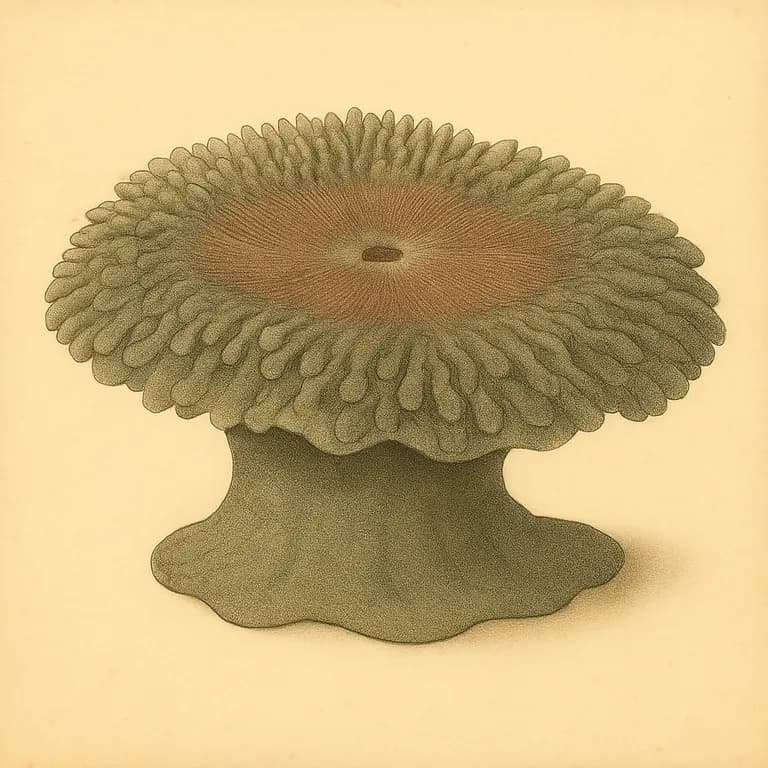
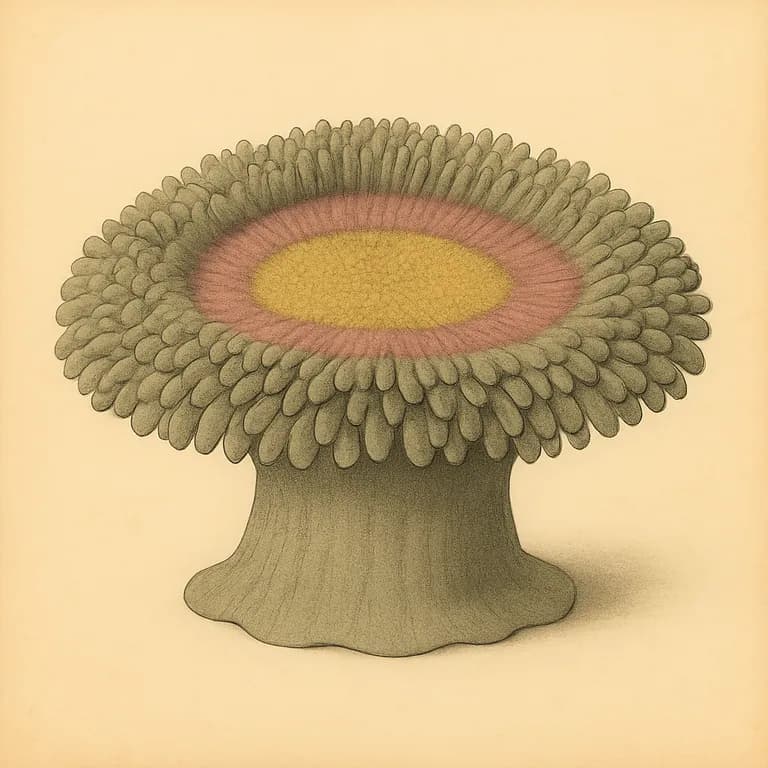
A healthy Entacmaea quadricolor is firmly attached, has a closed, round mouth and slightly sticky tentacles. A gaping or stretched mouth, a white or translucent colour and a foot that keeps letting go are bad signs.
A dying anemone falls apart and fouls the water quickly; remove it from the tank straight away.
Placing it and settling in
Place it on a rock with crevices and holes; it prefers to anchor its foot in a sheltered hollow with its tentacles in the light. If it is still wandering after weeks, light or flow usually does not suit it. Never pull it loose; if it really has to move, gently rub along the foot with a finger until it lets go. Foam or a grille works well for screening off pumps and the overflow.
Now and then it deflates completely and looks worrying. That is normal and usually over within a day.
Light and feeding
The bubble tip anemone gets much of its energy from algae in its tissue, and those need strong light. If it turns white or translucent, it is losing those algae, often because of too little light or too rapid a change. So introduce new lighting gradually. It also does well on a small piece of mysis or shrimp once to a few times a week. Remove any pieces it spits out before they start to rot.
Clownfish and the anemone
In the wild, several clownfish species live in this anemone, including the maroon clownfish and the tomato clownfish. Amphiprion ocellaris, the familiar clownfish, uses other anemones in nature, but captive-bred fish often adopt a bubble tip anemone in the aquarium anyway. That can take hours or months, and sometimes it never happens. Forcing it is pointless; the fish first touches the tentacles cautiously to get used to the stinging cells.
Splitting
In a stable tank the anemone can divide in two. It slowly tears lengthwise into two genetically identical anemones. A split can mean it is doing well, but stress can also be the trigger. Clones like these tolerate each other, whereas different anemone species in the same tank can damage one another.
Good to know
Related species

Keep Bubble tip anemone in the BlubHub app
Add this species to your inhabitants, with count and photos, and see the care info next to your own water values, target bands and reminders. Free, no account, everything on your own device.
Values are mainstream hobbyist guidance, not gospel. Always watch what your own animals need.