Anubias
Anubias barteri
PlantsFreshwater
- Care level
- Easy
- Maximum size
- 35 cm
- Temperature
- 20–28 °C
- pH
- 6–8
- Light
- Low
- Diet
- Photosynthetic
Care at a glance
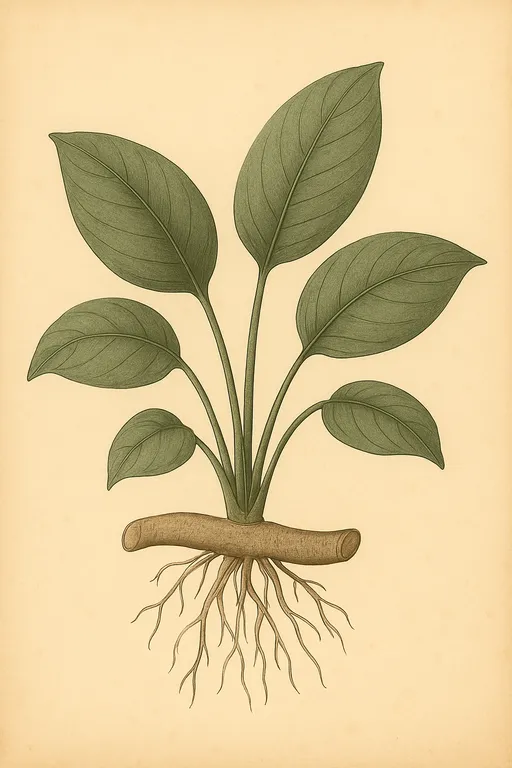
Anubias is the plant for anyone who thinks they have no green fingers: dark, leathery leaves on a creeping rhizome, happy in low light, without CO2 and without any special substrate. Even plant eaters and diggers usually leave it alone, because the leaf is simply too tough.
The one real mistake you can make is burying it: if the rhizome disappears under the gravel it rots away. So tie or glue it onto driftwood or stone and leave the rhizome exposed. It grows agonisingly slowly, which makes it easy for beard algae to settle on the older leaves; some shade and moderate light do more against that than fertiliser.
Origin and varieties
Anubias barteri comes from West Africa, where it grows along streams and riverbanks, often with some of its leaves above the water. That is why it also does well in a paludarium.
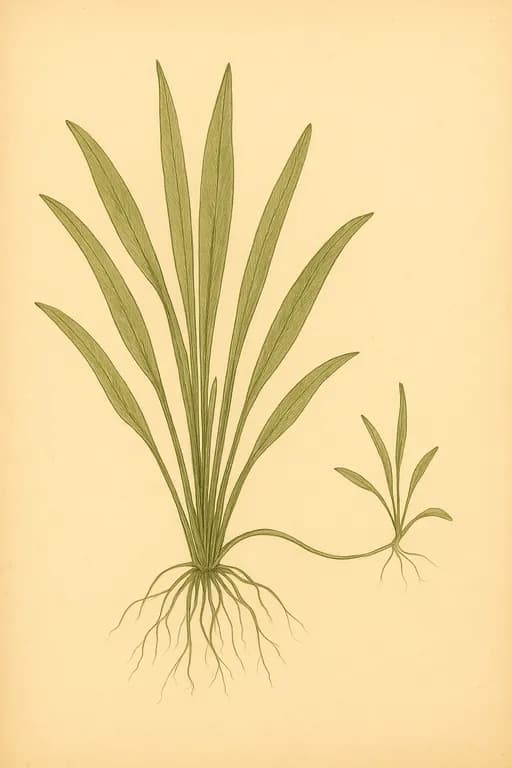
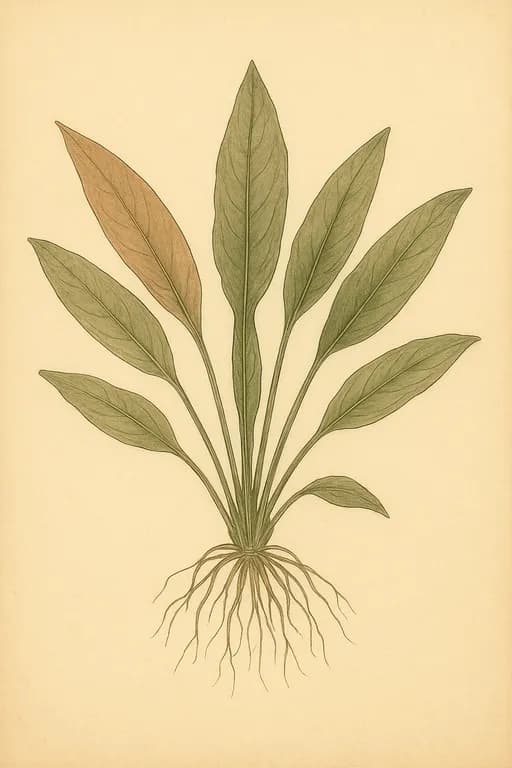
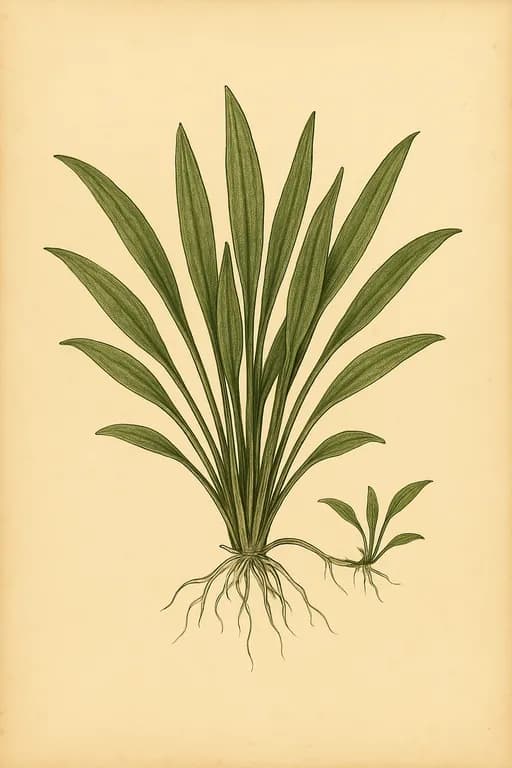
In shops you mostly find the nana form, which stays compact and suits the foreground. Petite or bonsai is an even smaller selection. The regular barteri and the coffeifolia variety, with puckered leaves and reddish-brown new growth, grow considerably larger and belong more in the middle or at the back.
Planting and attaching
An anubias from the shop usually comes in a pot with rock wool. Remove all of it, because leftover rock wool between the roots traps dirt. Plants from a tissue-culture cup are smaller, but free of snails and algae.
After a few weeks the roots have taken hold and the thread or fishing line can come off. The roots may also grow down into the substrate, as long as the rhizome itself stays above it. Some water movement keeps the leaves cleaner than a corner where the water stands still.
Propagation and flowering
You propagate it by cutting through the rhizome with a sharp knife. Leave a few leaves on each piece; a section with a single leaf will establish itself, but slowly.
A healthy anubias sometimes flowers under water, with a spadix inside a white or greenish spathe. It is a sign that the plant is doing well; the flower can simply stay.
Common problems
A soft, brown or glassy patch on the rhizome that smells bad points to rot. Cut away the affected part back to firm, healthy tissue and put the sound piece back in a spot with good circulation.
An old leaf turning yellow and dying now and then is normal. If many leaves yellow at once, the plant is usually short of nutrients, especially in a tank with few fish. A little liquid fertiliser helps; root tabs in the substrate do little for a plant on wood or stone.
Related species

Keep Anubias in the BlubHub app
Add this species to your inhabitants, with count and photos, and see the care info next to your own water values, target bands and reminders. Free, no account, everything on your own device.
Values are mainstream hobbyist guidance, not gospel. Always watch what your own animals need.